Seoul bets W450b on bold architecture to finally create a lasting identity for the island
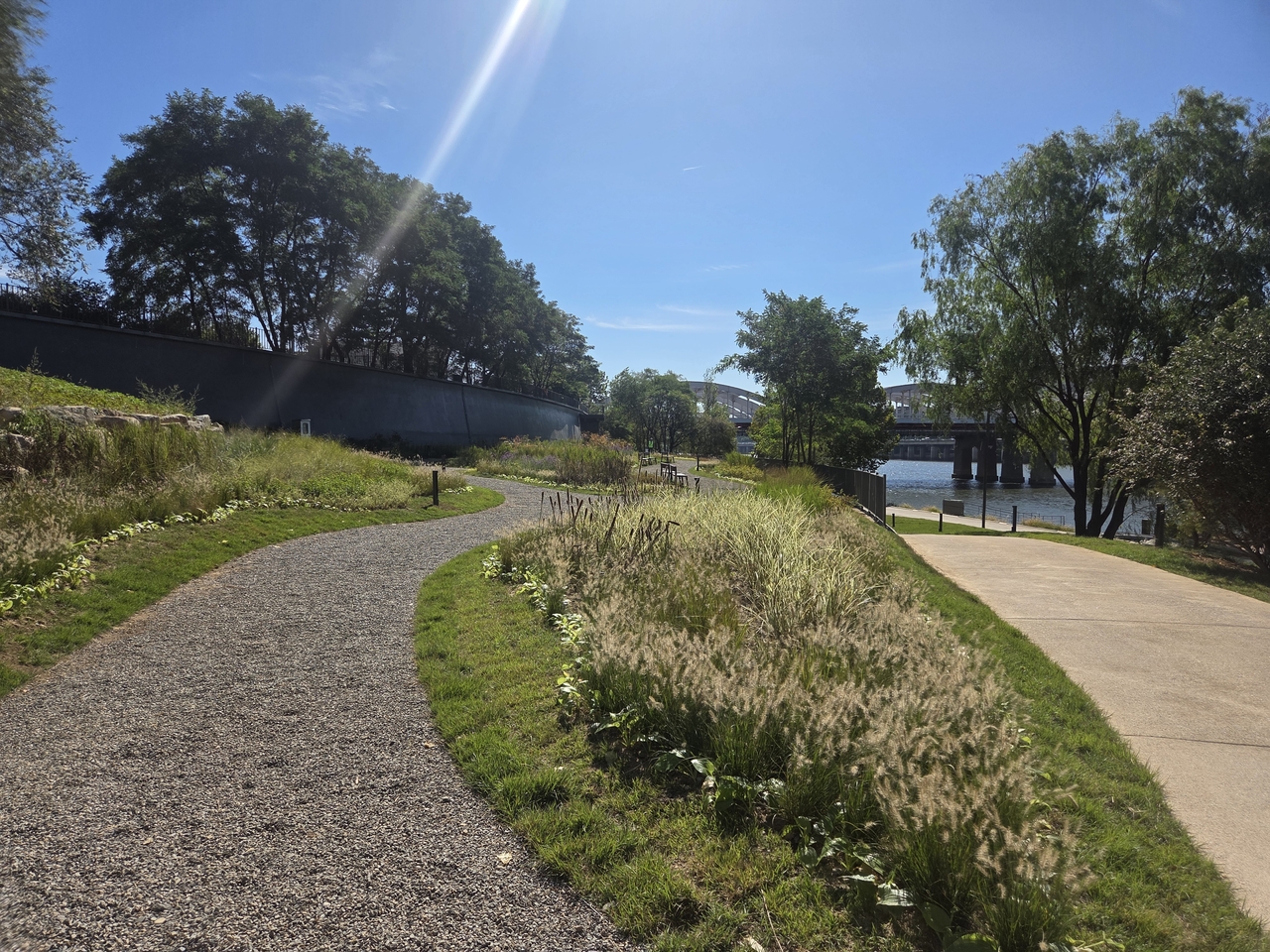
Beneath Hangang Bridge, a new 1.5-kilometer trail traces the water’s edge around Nodeul Island, passing ecological gardens, play areas and stretches of grass overlooking the Han River.
Seoul unveiled the renovated waterfront Thursday, a day before it opens to the public. The area, long one of the less-developed parts of the island, had been closed since November for construction.
“We have heard that runners in Seoul have been eagerly awaiting the opening,” a city official told The Korea Herald during a press preview Thursday. “It offers a 1.5-kilometer route around the island in an open setting, free of cars and bicycles.”
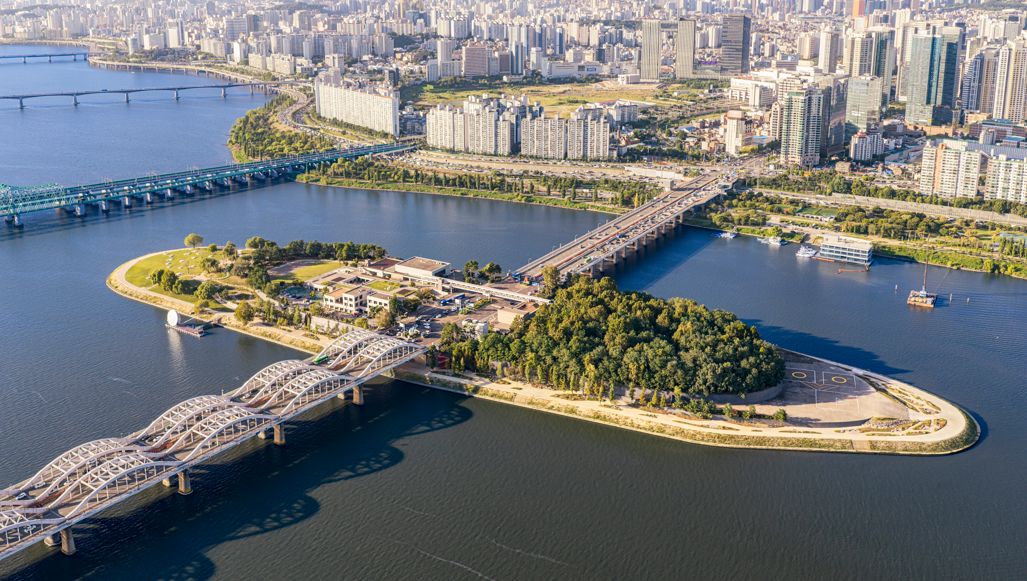
Located in the middle of the Han River beneath the bridge, Nodeul Island covers about 120,000 square meters, roughly the size of 17 soccer fields.
The newly opened section includes ecological, play and grass gardens and marks an early phase of a much larger transformation designed by London-based Heatherwick Studio.
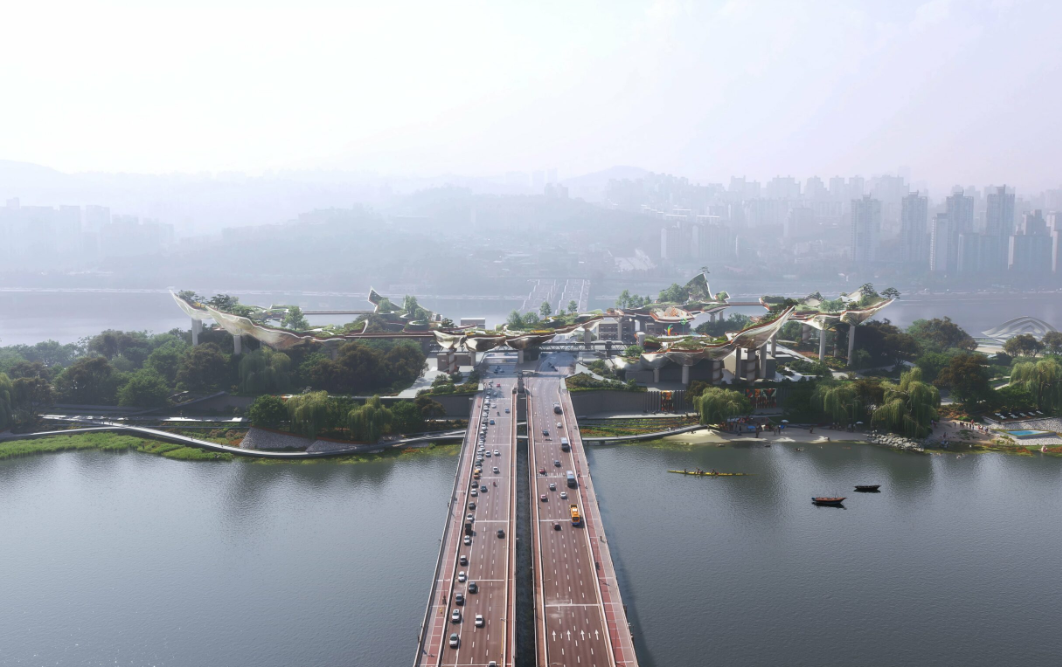
The centerpiece, called “Soundscape,” will include an elevated garden and walkway intended to bring together performance, recreation and views of the river. Construction of the elevated section is scheduled to begin in December, with the overall project due for completion in 2030.
“The structure will serve as a performance venue and multipurpose cultural space, although its specific uses may be adjusted to reflect public needs,” Ahn Dae-hee, director general of the Seoul Metropolitan Government’s Future Urban Spaces Planning Bureau, told The Korea Herald.
City officials put the total cost of the island’s renovation at 450 billion won ($326.5 million), including more than 300 billion won for the Heatherwick-designed architectural elements. They attributed the higher budget to rising construction costs.
Once the project is completed, the city expects Nodeul Island to draw more than 5 million visitors a year and generate economic benefits for surrounding neighborhoods.
Visitors are scheduled to get a further glimpse of the transformation late next year, when a floating garden connected to the waterfront is due to open. The indoor-outdoor cultural complex will include a waterfront performance space accommodating more than 400 people.
A long road to becoming a landmark
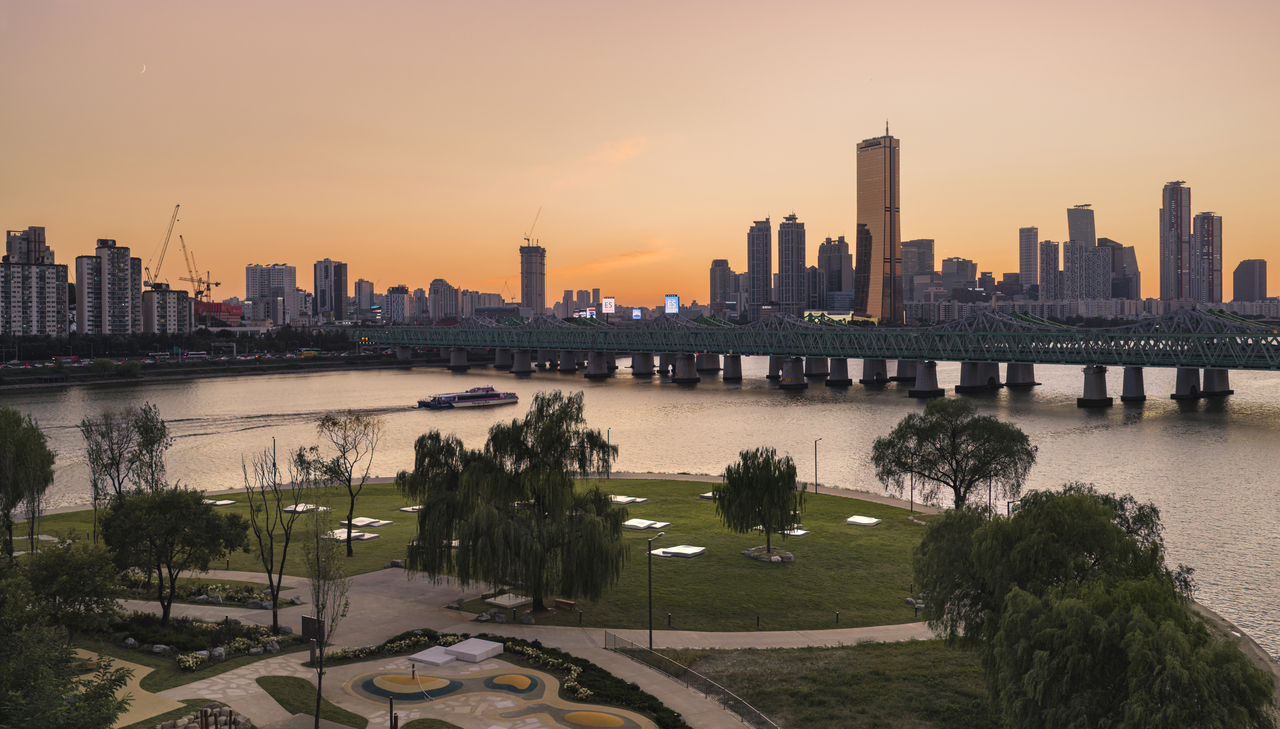
Nodeul Island has long been a popular sunset spot, offering an unobstructed westward view toward Yeouido and the 63 Building. Visitors gather on its broad lawn to watch the evening light spread across the Han River.
Yet the island has struggled to establish a lasting identity as development plans repeatedly change under Seoul’s mayoral administrations.
The city purchased the island from construction company Kunyoung for 27.4 billion won in 2005, during the administration of then-Mayor Lee Myung-bak.
After taking office in 2006, Oh Se-hoon pursued plans for an opera house and concert hall, but the proposal was scrapped amid City Council opposition over construction and operating costs.
Under his successor, Park Won-soon, Nodeul Island reopened in 2019 as a music-centered cultural complex.
After returning as mayor in 2021, Oh launched another transformation, this time seeking to turn the island into a global cultural landmark through Heatherwick Studio’s design.
The latest project is scheduled to continue through 2030, leaving its progress dependent on sustained political and financial support. That question has become more pressing amid uncertainty over Oh’s political future.
A lower court in July fined Oh 10 million won for violating the Political Funds Act in connection with polling costs ahead of the 2021 Seoul mayoral by-election. He has appealed the ruling. If a fine exceeding 1 million won is upheld, he would lose his post.
“This year’s construction budget is secured,” said Kim Ji-ho, director of the city government’s Future Urban Spaces Planning Division. He declined to discuss funding beyond 2026.
Accessibility presents another test. Nodeul Island is not directly connected to a subway station, and the nearest stop, Nodeul Station on Line 9, is about an 800-meter walk away across part of Hangang Bridge.
“The walk from the station is not particularly long, but having to follow the bridge creates a perception that the island is difficult to reach,” Kim said, adding that several bus routes stop nearby.
“As the island attracts more visitors, transportation links are likely to improve. We see it as a process.”
Lee Sang-hun, professor emeritus of architecture at Konkuk University, said the project’s success would ultimately depend less on its landmark design than on whether the island becomes part of people’s everyday lives.
“What matters is not the landmark structure itself, but how the space is used, what programs the city offers and how accessible it is to the public,” Lee said.
“More than another ambitious design, what the island needs is consistent programming that gives people a reason to return.”
yunapark@heraldcorp.com