Men’s soccer and baseball teams head to Japan to continue winning streaks at 2026 Asian Games
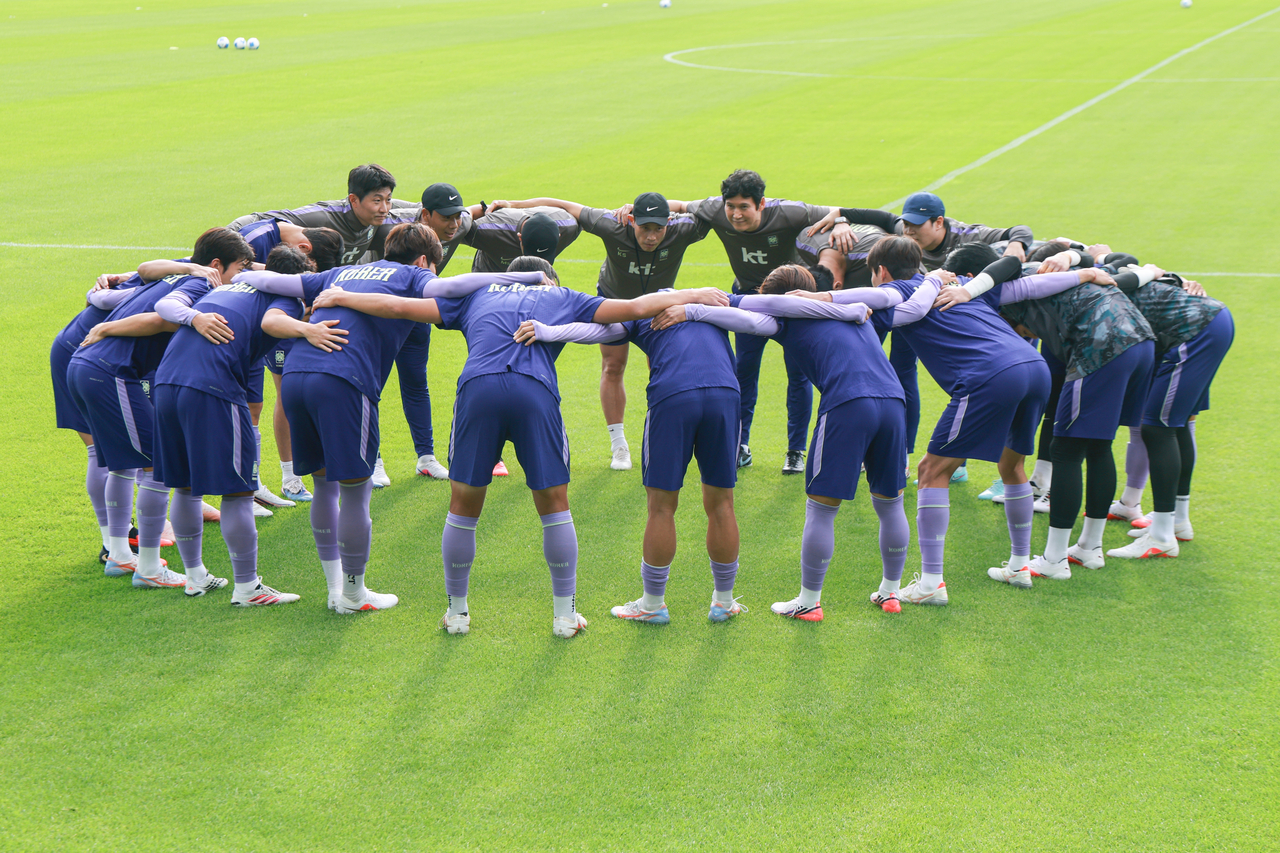
South Korea’s men’s soccer and baseball teams are heading to Japan this month with one goal: to extend their reign as Asian Games champions.
The players also have plenty at stake personally. Only a gold medal will exempt them from the country’s mandatory military service, allowing them to pursue their careers with minimal interruption.
The U-23 soccer team is chasing its fourth consecutive gold medal, while the baseball team seeks a fifth.
Falling short would bring more than disappointment. It would raise questions about squad selection, coaching and how two of Korea’s richest and most popular sports failed to overcome regional rivals they were widely expected to beat.
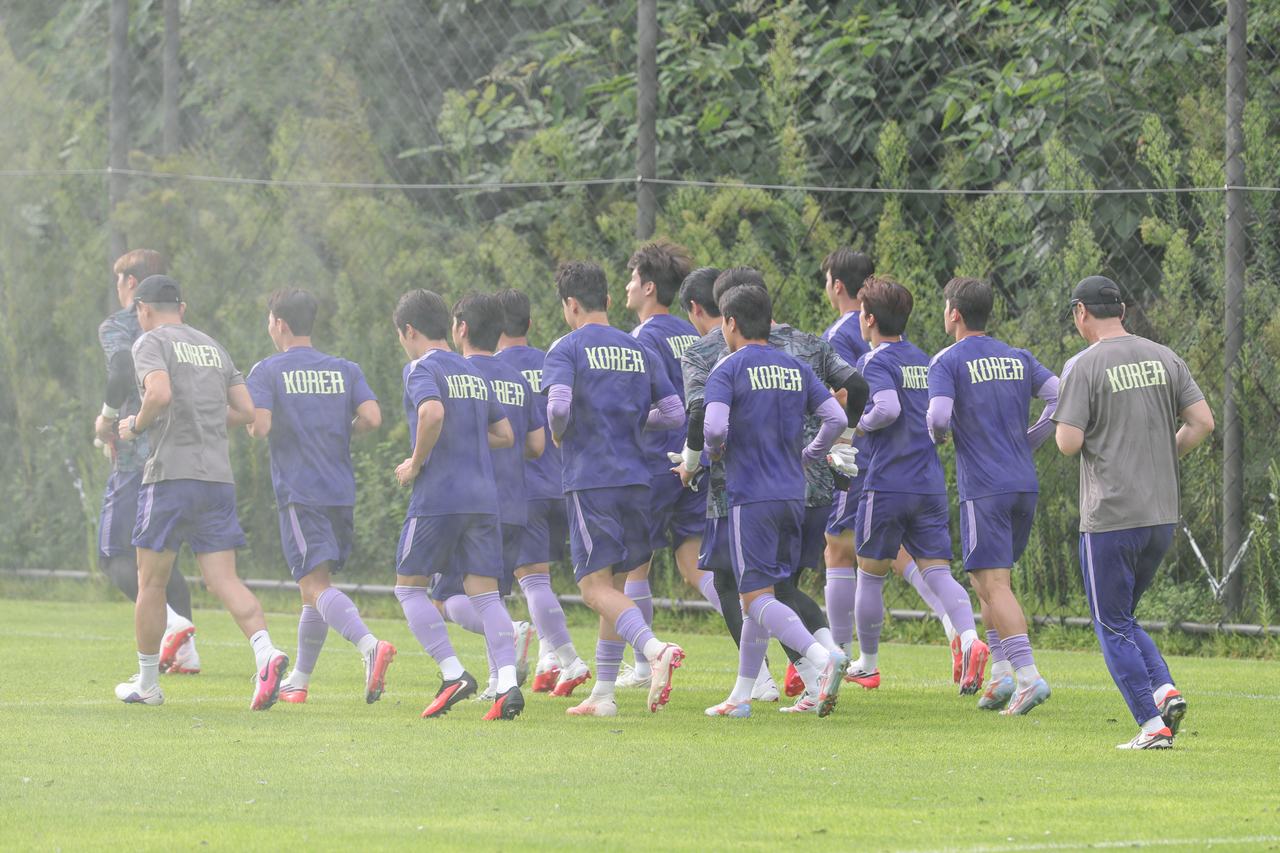
The Taeguk Warriors have won the last three Asian Games men’s soccer titles, capturing gold in Incheon in 2014, Jakarta in 2018 and Hangzhou in 2023. Their latest victory came with a 2-1 win over Japan in the final, giving Korea its sixth gold medal in the event — more than any other country.
The baseball team has enjoyed an even longer run of dominance, winning every Asian Games title since 2010. It has claimed four consecutive gold medals and six overall.
For Korea, Taiwan stands in the way. Korea lost 2-1 to Taiwan in the group stage during the 2018 Asian Games, suffered a 7-0 defeat in the super round of the 2019 WBSC Premier 12 and fell 4-0 in the group stage at the Hangzhou Asian Games.
But Korea turned the tables in Hangzhou. The two teams met again in the final, with Korea’s 2-0 victory securing the team’s fourth consecutive gold medal.
The rivalry will continue, with Korea opening its Group B campaign against Taiwan on Sept. 21 at 6:30 p.m. in a match that could offer an early glimpse at which team has the upper hand in the title race. On Sept. 22, Team Korea will face Hong Kong and close its group stage on Sept. 23 against Thailand.
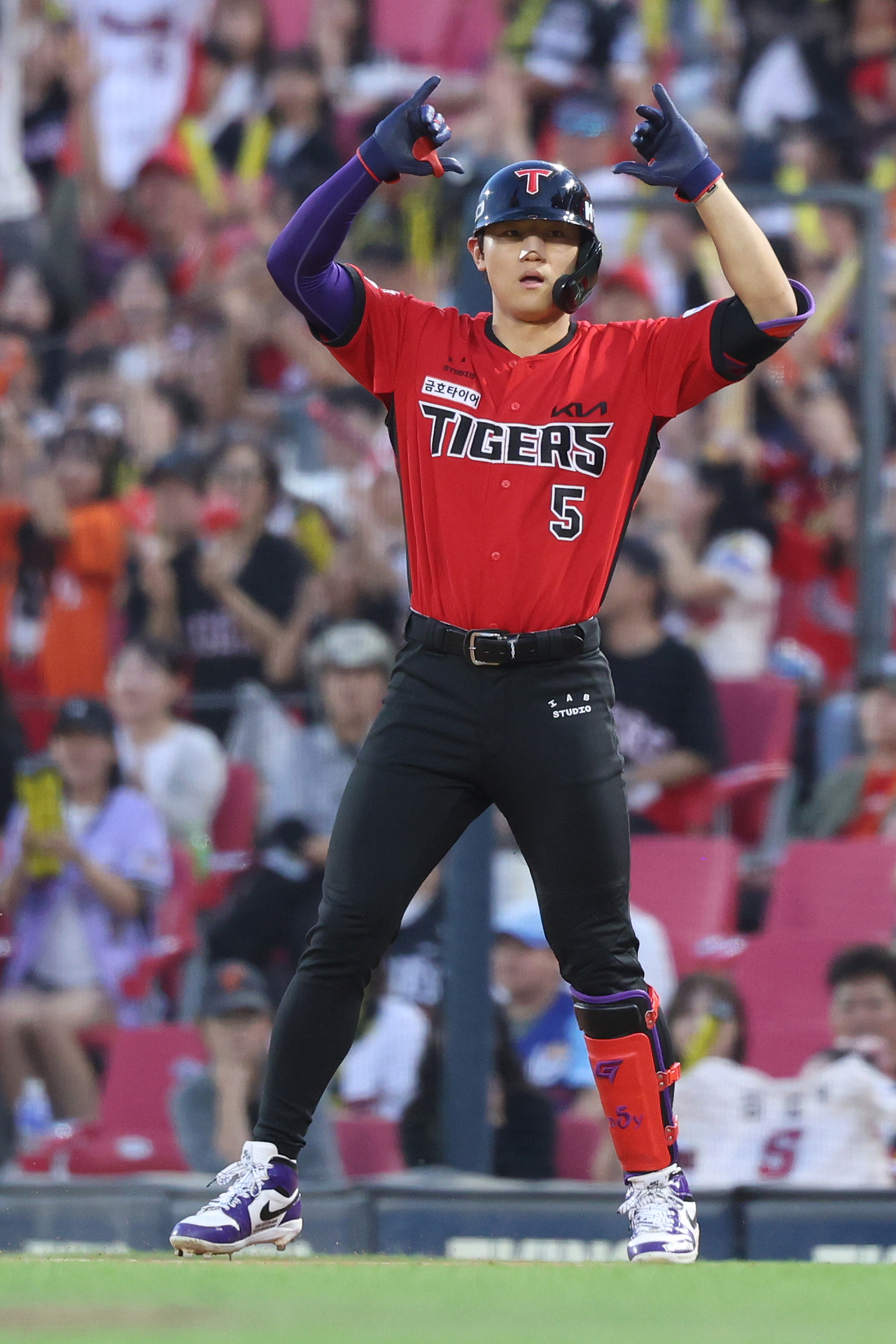
Korea’s roster is built around players aged 25 or younger, with three wild-card selections aged 29 or younger. Observers believe the Doosan Bears pitcher Gwak Been and Kia Tigers infielder Kim Do-young will anchor the team on the mound and at the plate.
For football, the Asian Games offer a chance to recover more than gold.
Korean football is still reeling from its group-stage exit at the 2026 World Cup and the controversy over embattled former national team coach Hong Myung-bo and the Korea Football Association President Chong Mong-gyu.
Fifteen countries will compete in the men’s football tournament, with the teams divided into four groups. Korea has been drawn alongside Qatar and Saudi Arabia in Group D, leaving little room for a slow start. The 23-player squad will open its campaign against Qatar on Sept. 15, then take on Saudi Arabia on Sept. 22.
The men’s tournament is reserved for players under 23, but each team may select up to three overage players.
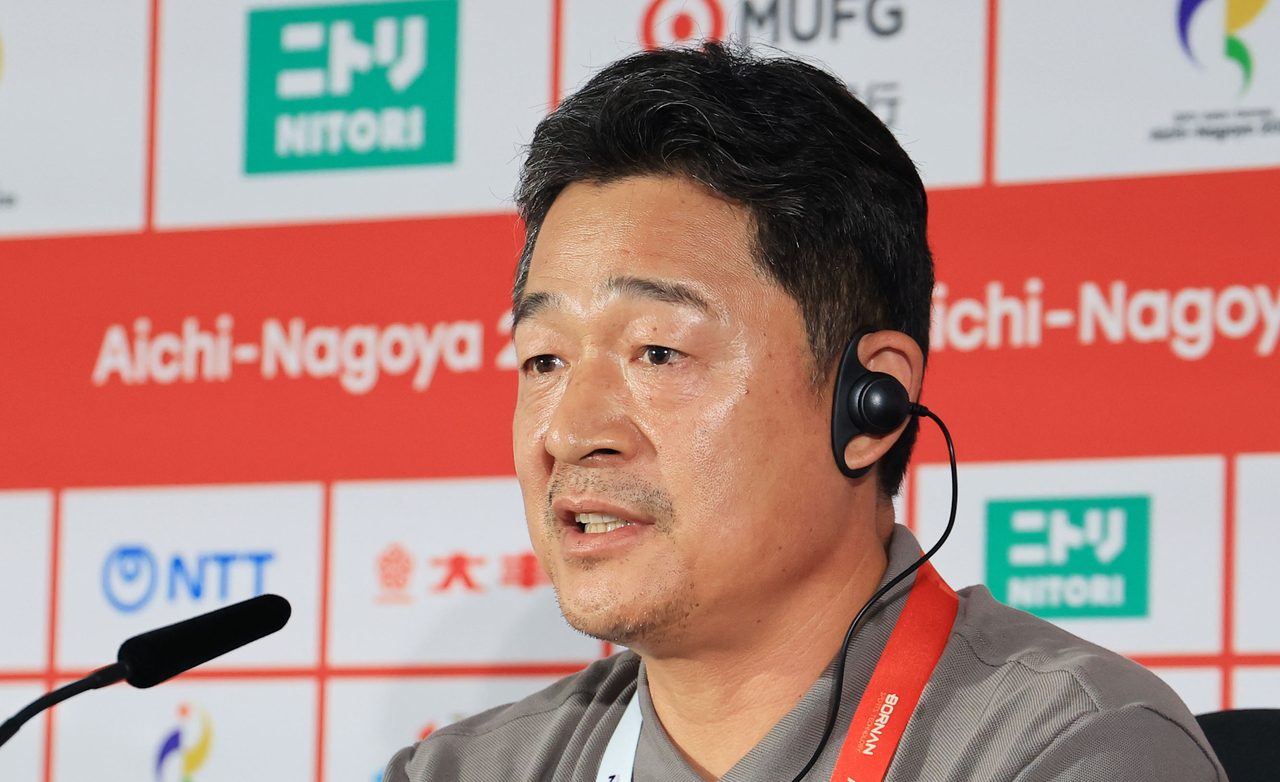
Head coach Lee Min-sung selected three players from the recent World Cup squad as his overage players: Celtic FC midfielder Yang Hyun-jun, 24; Swansea City midfielder Eom Ji-sung, 24 and Gangwon FC defender Lee Gi-hyuk, 26. Stoke City midfielder Bae Jun-ho, also made the Asian Games squad at 22.
If Korea advances, Japan is likely to pose the greatest threat. Regarded as Asia’s leading football nation, Japan has emerged as the tournament’s strongest challenger, while Uzbekistan’s rising generation of young players could also stand in Korea’s way.
Korea’s biggest concern, however, may be the team itself.
Manager Lee has been criticized for failing to establish a clear playing style and for not giving his team enough time to prepare. The squad has plenty of talented attackers and wingers, but questions remain in central midfield and defense. Korea must also find a way past opponents likely to sit back, defend in numbers and leave little room to attack.
junheee@heraldcorp.com