W25tr prepayment plan offers temporary relief as AI-driven grid costs mount
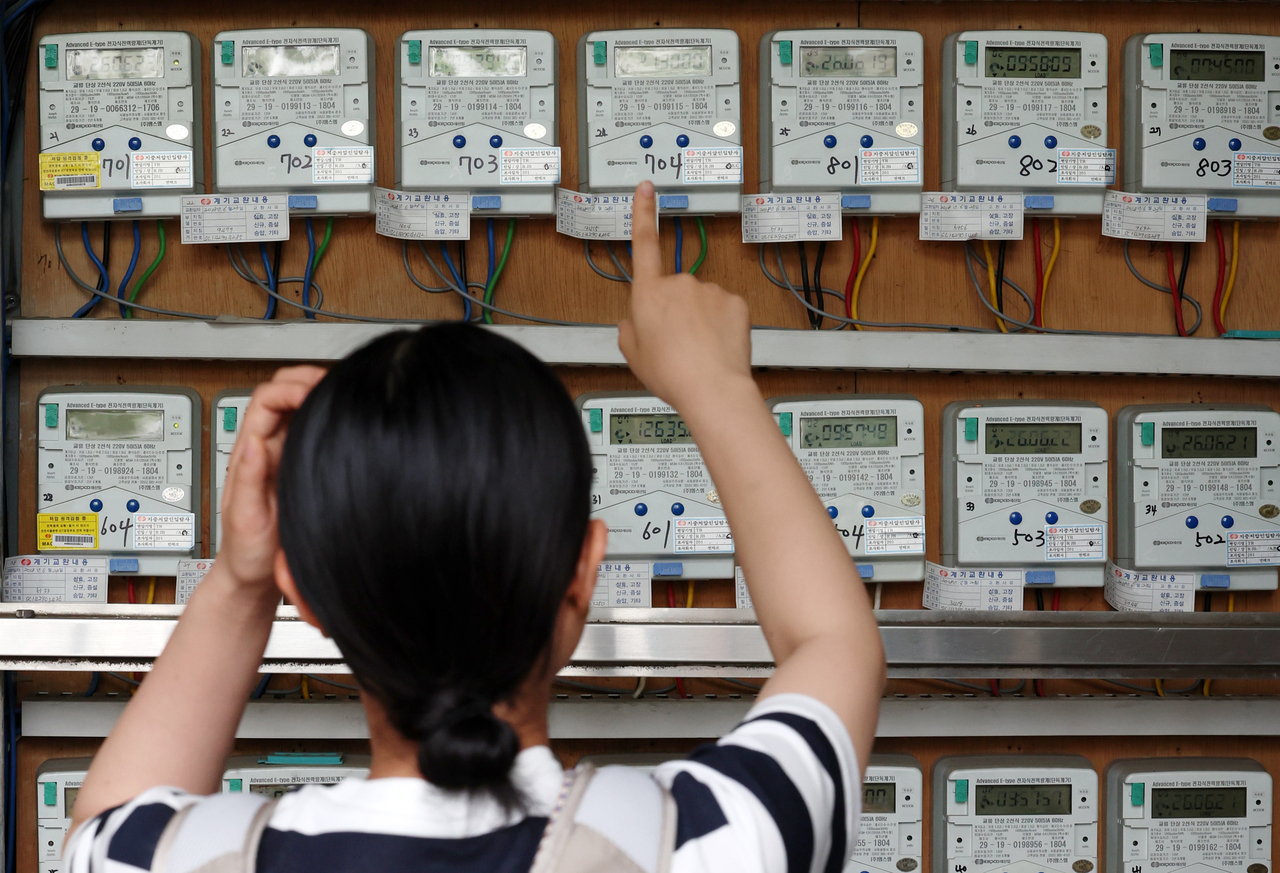
Electricity is the lifeblood of the artificial intelligence era. In South Korea, however, the utility responsible for delivering it is carrying more than 200 trillion won ($148 billion) in debt as the country prepares to build power-hungry semiconductor clusters.
Korea Electric Power Corp. needs roughly 100 trillion won to expand the grid. To help finance that work, the state-run utility has asked Samsung Electronics and SK hynix to pay five years of electricity bills upfront — a combined 25 trillion won.
The proposal remains under negotiation. Even if accepted in full, it would provide only temporary relief.
Kepco’s fundamental challenge remains unchanged: Electricity rates are still too low to fully cover supply costs. The utility calls its longer-term goal “tariff normalization” — bringing electricity prices closer to the cost of providing power — but rate increases remain politically sensitive, particularly ahead of the 2028 general election.
Why is Kepco so heavily indebted?
Kepco purchases electricity from power producers and operates most of Korea’s transmission, distribution and retail network. It cannot freely pass higher costs on to consumers because changes to electricity rates require government approval.
That structure became a major liability in 2022, when Russia’s invasion of Ukraine sent global fuel prices soaring. Kepco’s wholesale purchasing costs jumped, but the government restrained rate increases to protect households and businesses.
The result was a widening gap between what Kepco paid for electricity and what it recovered from customers.
Electricity sales covered only about 65 percent of Kepco’s recognized supply costs in 2022. The ratio improved to around 78 percent in 2025 as rates rose and energy prices stabilized, but remained well short of full cost recovery.
Kepco has since returned to an operating profit on a consolidated basis, including its subsidiaries. Its accumulated debt, however, reached 210.7 trillion won at the end of June, leaving it with daily interest expenses of about 11.5 billion won.
How would prepayment work?
Under Kepco’s proposal, Samsung Electronics would provide 20 trillion won and SK hynix would put up 5 trillion won.
The amounts are based on their electricity spending last year — 4.1 trillion won for Samsung and 900 billion won for SK hynix — and would cover an estimated five years of consumption.
Kepco would deduct monthly charges from each company’s prepaid balance and pay interest on unused funds. One option under discussion would apply the interest as a credit against electricity bills every six months.
The utility has offered a return above the yield on two-year Korean government bonds. For Samsung, the proposed premium is reportedly 0.15 percentage point, or 15 basis points. SK hynix is seeking comparable terms.
“No decision has been made on participation, the amount, the duration or the interest rate,” a Kepco official said. “We have made the proposal and are awaiting the companies’ responses, but there is no deadline.”
Why does Kepco need money now?
The immediate pressure comes from a looming limit on Kepco’s bond issuance.
Following its heavy losses during the energy crisis, the government temporarily raised the utility’s statutory bond ceiling from twice to five times the combined value of its capital and reserves. That exemption expires at the end of 2027.
Kepco had 71.5 trillion won in outstanding bonds as of June 30. When the lower ceiling returns, it would be allowed to hold only around 50 trillion won based on its estimated capital base.
That would leave Kepco more than 20 trillion won above the limit unless it pays down debt, receives additional capital or wins another legislative extension.
“If the entire 25 trillion won prepayment were used to redeem bonds, the outstanding balance would fall to about 46.5 trillion won, bringing it within the limit,” the Kepco official said.
The company could replace bonds with bank loans or commercial paper, but that would merely exchange one form of debt for another.
Government capital is another option. Under the proposed 2027 budget, the Ministry of Climate, Energy and Environment plans to provide Kepco with 850 billion won: a 500 billion won capital injection and 350 billion won to fund electricity discounts for vulnerable customers.
While the five-times ceiling remains in place, the capital injection would increase Kepco’s bond-issuing capacity by about 2.5 trillion won.
Kepco also argues that issuing fewer bonds would leave more investor capital available to private companies, particularly smaller businesses vulnerable to higher borrowing costs.
Would W25tr solve the problem?
The prepayment would help Kepco address its immediate financing constraints, but it would cover only a fraction of the investment required to strengthen Korea’s power network.
The utility’s grid plan calls for about 100 trillion won in spending. Hana Securities estimates that investment in transmission lines and substations could reach 124.3 trillion won under Korea’s latest electricity plan.
With substantial electricity rate increases considered unlikely before the 2028 election, Kepco may still have to take on more debt or seek additional government support.
Industry observers nevertheless expect Samsung and SK hynix to accept some version of the proposal. Both companies need timely grid connections for their semiconductor complexes, which the government has pledged to fast-track.
The amount, repayment period and interest rate remain under negotiation.
“Kepco is the country’s sole nationwide electricity retailer. If it stops, everything stops, so the government is unlikely to let it fail,” an industry observer said. “Whatever form the support takes, the immediate priority for both the government and industry will be to keep the utility operating.”
The proposed prepayment could therefore buy Kepco time. Without electricity rate reform, fresh capital or changes to its borrowing limits, however, it cannot provide a lasting solution.
herim@heraldcorp.com