Local designers turn hanok eaves, moon jars, soban tables and hanji into handbags, accessories for those seeking individual style
Handbags have long served not only as practical accessories, but also as markers of taste and status. While luxury labels continue to dominate the market, a niche category is gaining attention among those looking for something more distinctive: bags inspired by Korean culture and tradition.
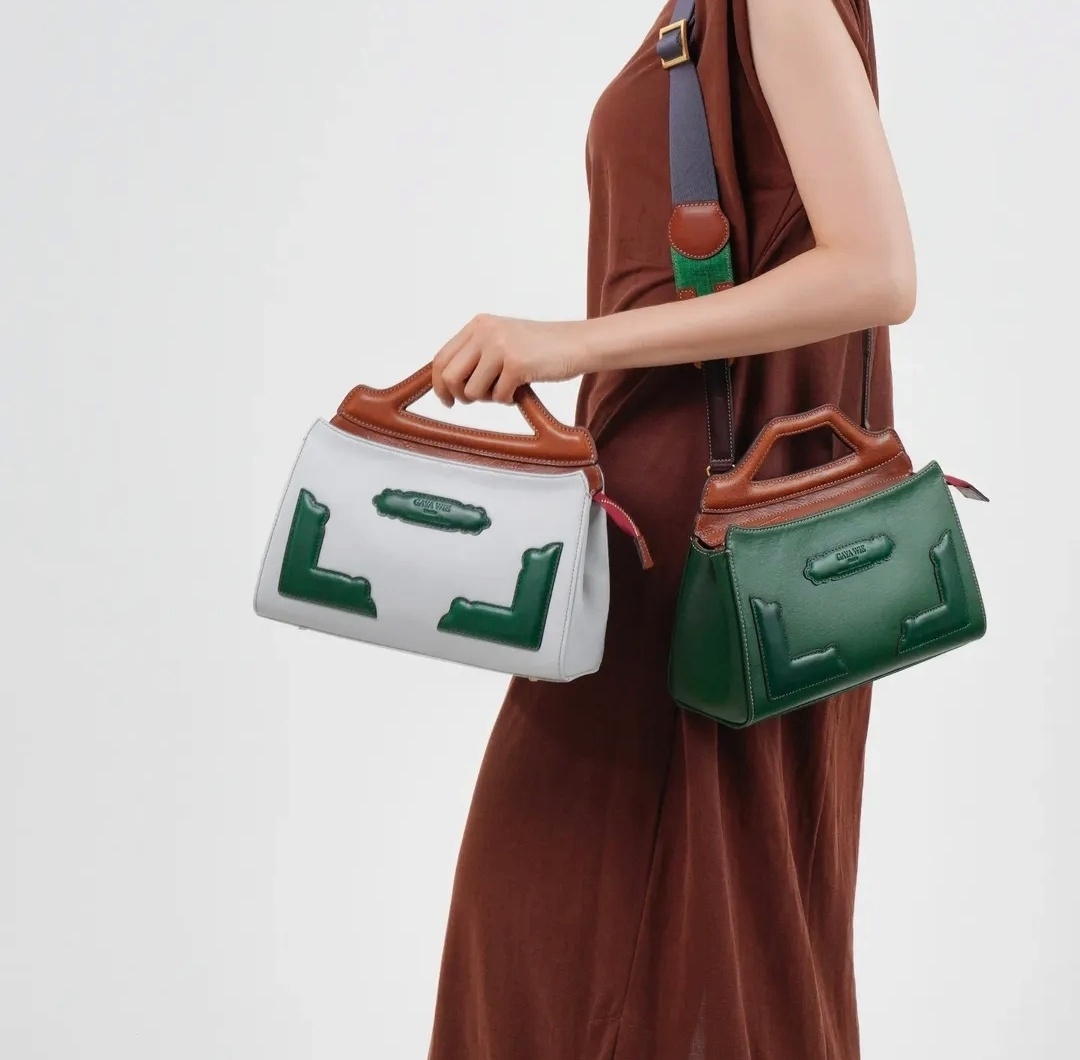
Gaya Wie, launched by designer Wie Ju-he in 2017, took inspiration from hanok — traditional Korean architecture — and Korea's traditional wooden furniture.


“Working abroad, I began thinking about creating designs that would represent Korea through its traditional art. I wanted them to retain a traditional aesthetic while blending naturally into modern life,” Wie said.
“Our customers are mainly people looking for something distinctive, including travelers and those who discovered us at overseas fairs.”
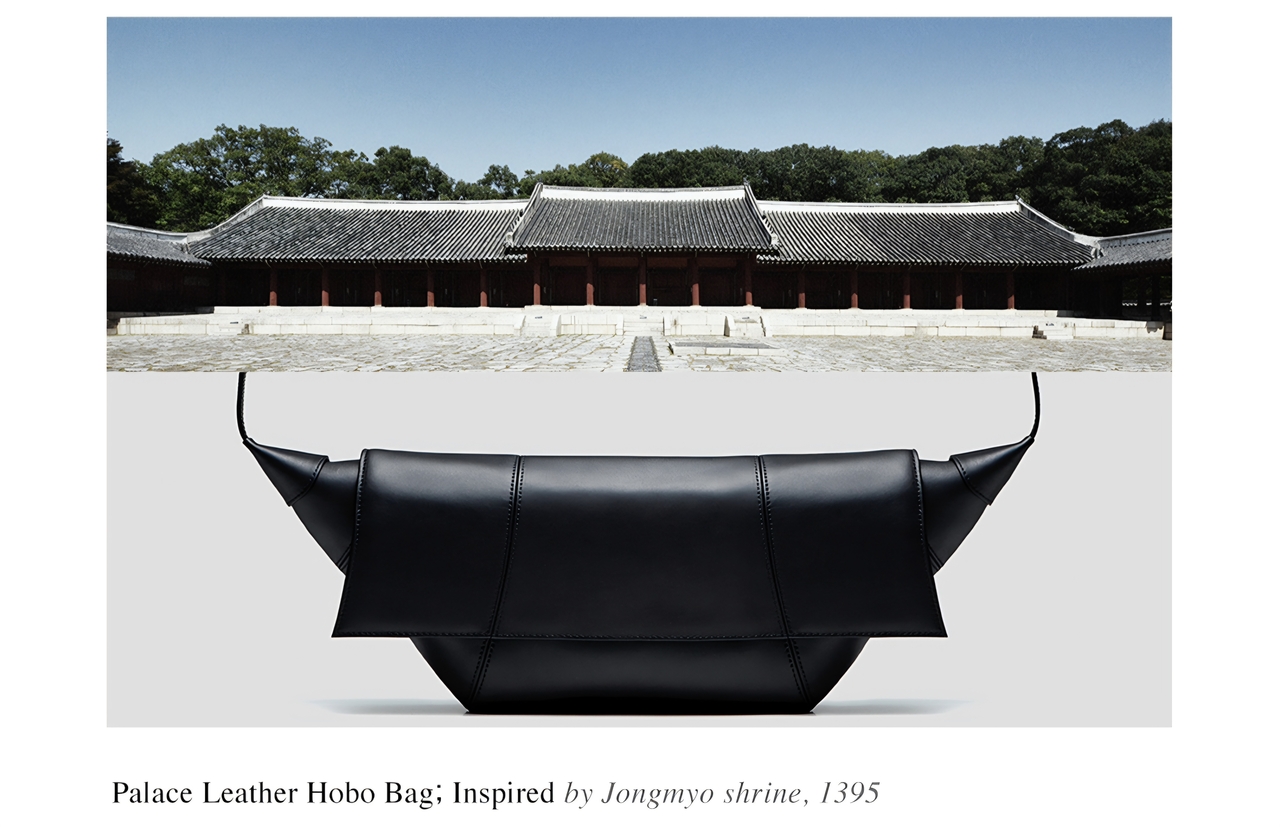
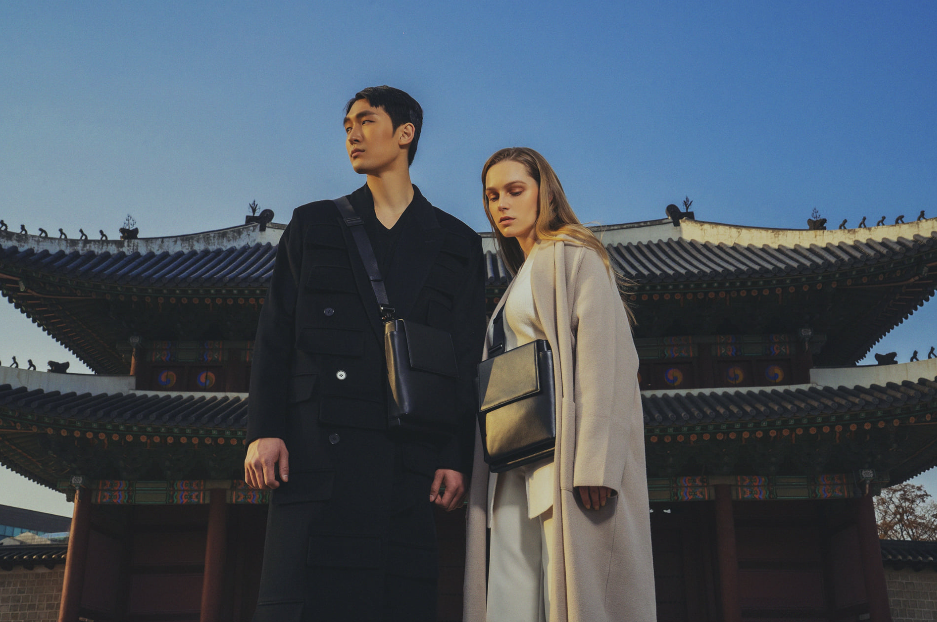
Kangdan is another contemporary handbag label that gives traditional Korean aesthetics a modern twist. Founded in 2018, the brand is best known for its Architecture Bag, the geometric silhouette and gently curved lines of which evoke the roofs and eaves of traditional Korean buildings.
The brand draws on the classical Korean phrase “Modest without being shabby, splendid without being extravagant,” which appears in the “Samguk Sagi,” a 12th-century chronicle of Korea’s Three Kingdoms, in reference to the restrained elegance of a palace built during the Baekje Kingdom (18 BC to AD 660).
“We create objects that combine timeless aesthetics and traditional values with a modern sensibility,” the brand states on its website.
The brand’s designs draw inspiration from a range of Korean cultural heritage aspects, from the main palace Gyeongbokgung and the curved eaves of the shrine Jongmyo to traditional ceramics.
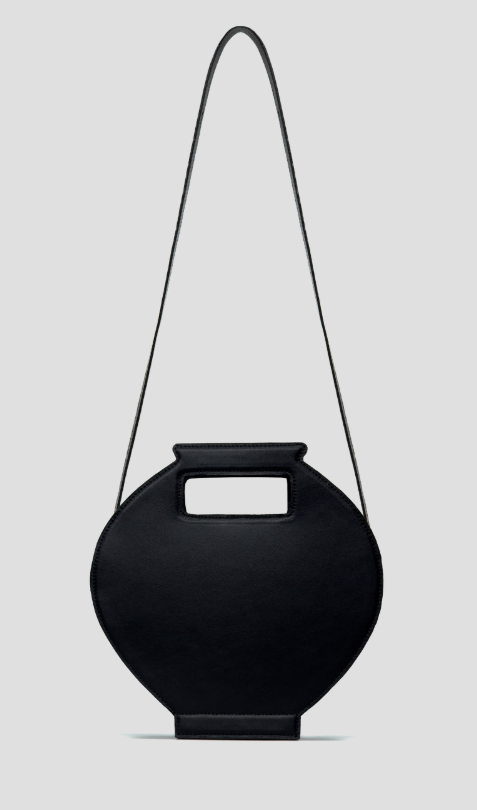
Its Moon Jar Bag echoes the rounded silhouette of a white porcelain moon jar from the Joseon era (1392-1910) designated Treasure No. 1437, while the Celadon Jar Bag takes its form from a lidded celadon jar designated Treasure No. 1071, according to the brand.
Some brands go beyond incorporating traditional motifs, turning to traditional materials as well. Kesylang makes bags from vegan hanji leather, produced by applying a special coating to hanji fabric made from the inner bark of the paper mulberry tree.
“I learned about hanji leather while looking for an alternative to animal leather, which can harm the environment when discarded,” designer Baik Ran-sook said. “Hanji is naturally strong, and when reinforced, it can be made as durable as conventional leather.”
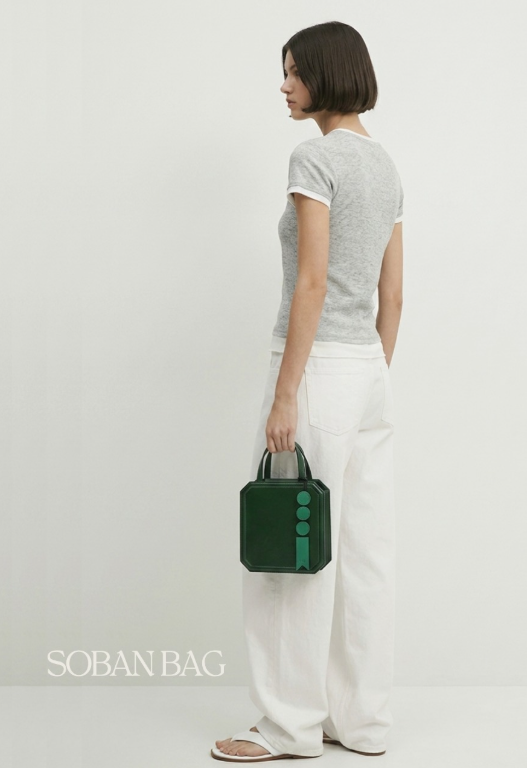
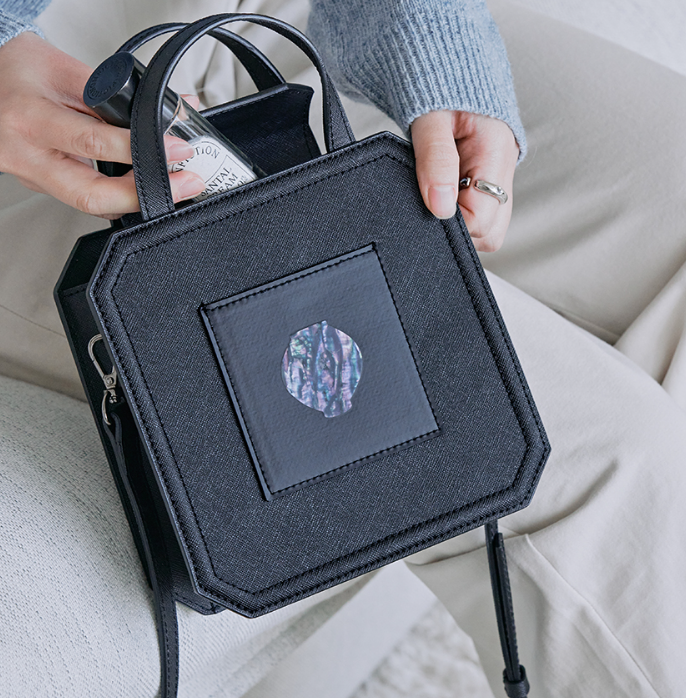
Baik was inspired to introduce Korean aesthetics to a wider audience after participating in a trade fair in Milan in 2019. She initially created pouches and bags using obangsaek, the five traditional Korean colors, before moving toward more modern designs.
Among the brand’s signature products is the Soban Bag.
“I liked the meaning behind the 'soban' — a small table prepared for one person — because it conveys a sense of care and respect for the individual,” Baik said.
“Some of our products are also sold as merchandise at the National Museum of Korea, and I can feel that interest in products with Korean elements has grown in recent years.”
The growing appetite for heritage-inspired products is reflected in the sales of Mu:ds, the National Museum Foundation of Korea’s cultural merchandise brand.
Sales of Mu:ds, the National Museum Foundation of Korea’s cultural merchandise brand, reached 41.34 billion won ($30.8 million) in 2025, nearly double the previous year’s figure. Sales rose another 90 percent on-year to 21.8 billion won in the first half of 2026, according to NMK.