Study projects platform-linked K-culture spending will reach W13.9tr by 2030
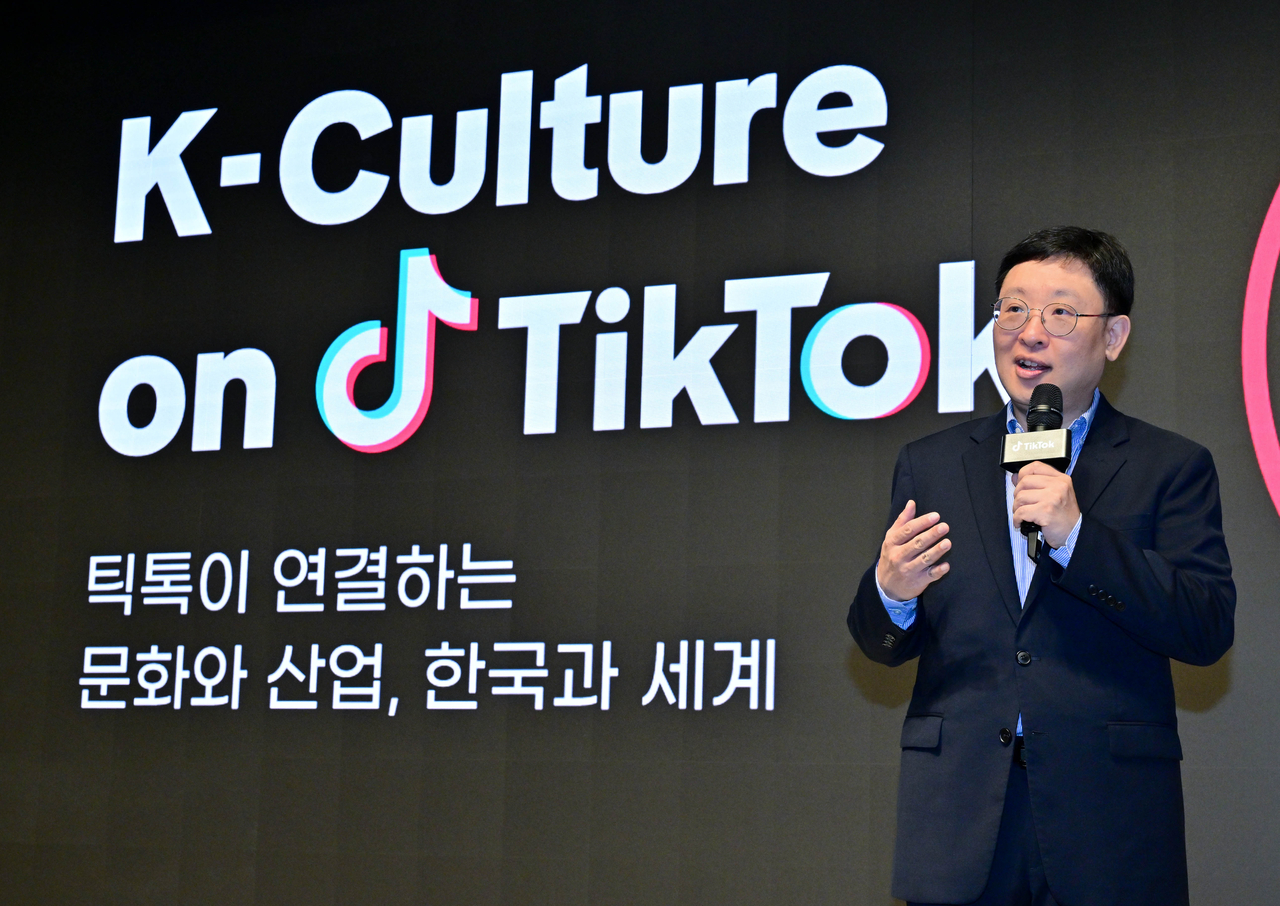
Short-form platforms are increasingly turning interest in Korean entertainment into spending across industries ranging from beauty and food to fashion and tourism, according to a study released Wednesday by TikTok and global consulting firm Kearney.
The report, "K-Culture on TikTok: Driving Global Economic Impact," surveyed 3,300 consumers aged 16-49 across 10 countries, including Brazil, Indonesia, Japan, the UK and the US. It examined six sectors: K-pop, K-media and intellectual property content, K-beauty, K-food, K-fashion, and K-tourism.
Kearney described the current stage of Korean culture's global expansion as "K-Culture 4.0," in which short-form platforms and user-generated content are expanding K-culture's influence beyond entertainment itself and into purchases of related products and experiences.
Among respondents, 88.7 percent said TikTok helped them discover K-culture, while 69.5 percent said their preference for K-culture increased after using the platform. Some 55.7 percent said they had spent money on related products or experiences after consuming K-culture content on TikTok.
"The influence of K-Culture has typically been discussed largely in terms of popularity and cultural buzz, but this study is meaningful in that it quantitatively demonstrates the value K-Culture creates for real industries and the broader economy through global consumer behavior data and economic impact analysis," said Jo Hyung-jin, partner and head of strategy consulting at Kearney Korea, during a press meeting in Seoul on Wednesday.
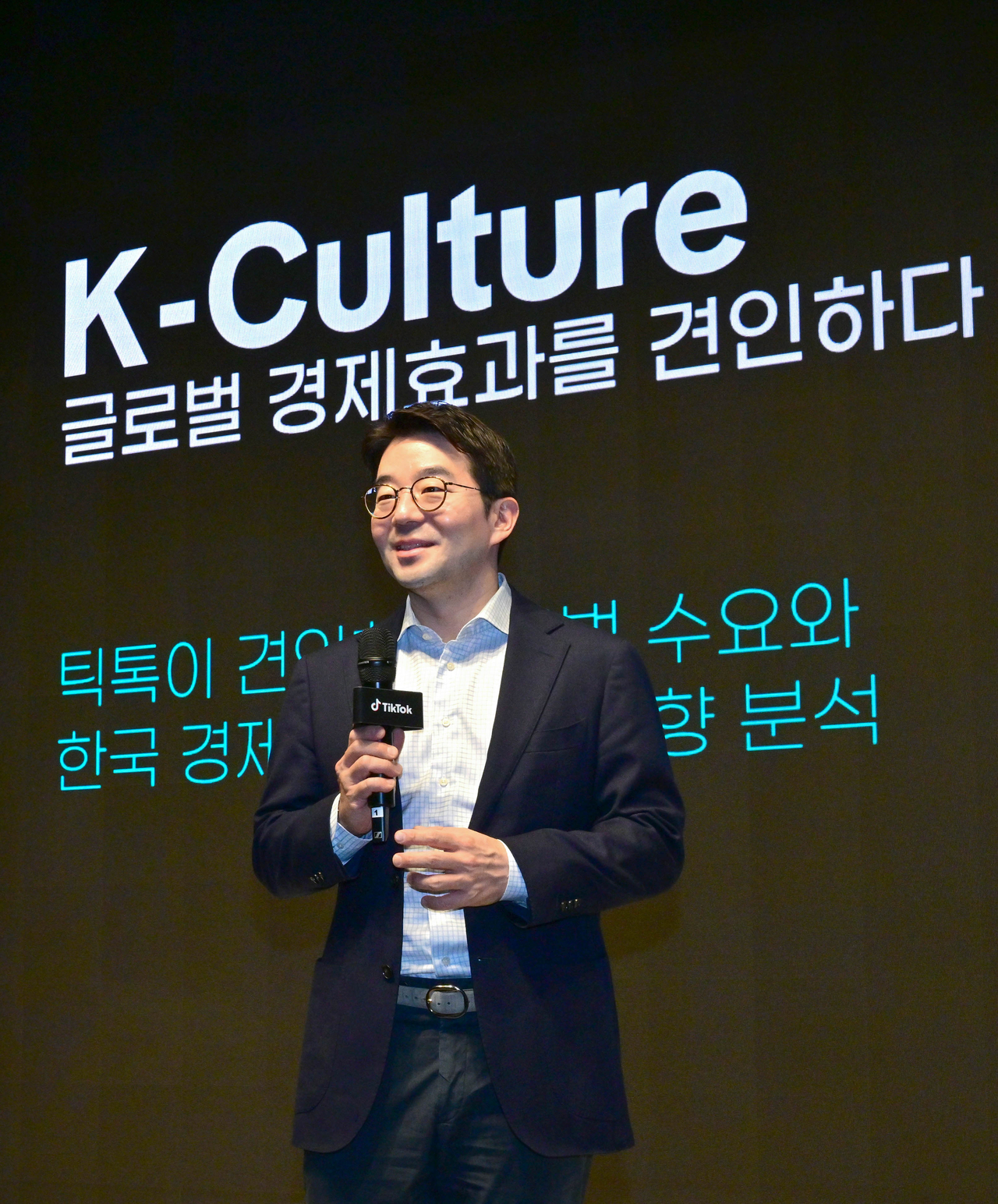
The TikTok-commissioned study estimated consumer spending attributable to the platform's contribution to K-culture at 10.75 trillion won ($7.8 billion) this year, projecting it to rise 29 percent to 13.92 trillion won by 2030.
K-beauty is projected to generate the largest direct economic impact among the six sectors in 2030, at 3.27 trillion won. K-tourism is expected to grow the fastest, rising 44 percent from 2026, while supporting the largest number of jobs, at 30,384.
The report also estimated that TikTok-attributable K-culture spending could induce 26.72 trillion won in domestic production and support 118,865 jobs in Korea by 2030.
One uncertainty surrounding the outlook is a growing push in some countries to restrict minors' access to social media. Asked whether such moves could affect K-culture's growth potential and whether the regulatory risk was reflected in the estimates, TikTok said the potential regulatory changes were not factored into the analysis.
“We did not reflect risks involving uncertainties in our analysis. At the same time, TikTok has many positive initiatives planned internally, but we excluded those as well to minimize our own discretionary interpretation,” Chung Tae-hwan, associate partner at Kearney Korea, said. “For the future outlook, we focused primarily on two things: the survey results and past trends.”
TikTok Korea said it does not currently view such regulatory moves as a constraint on its growth potential, noting that there are currently no rules in Korea requiring an immediate response from the company. It also emphasized its investment in systems, personnel and other measures aimed at protecting younger users.
jaaykim@heraldcorp.com