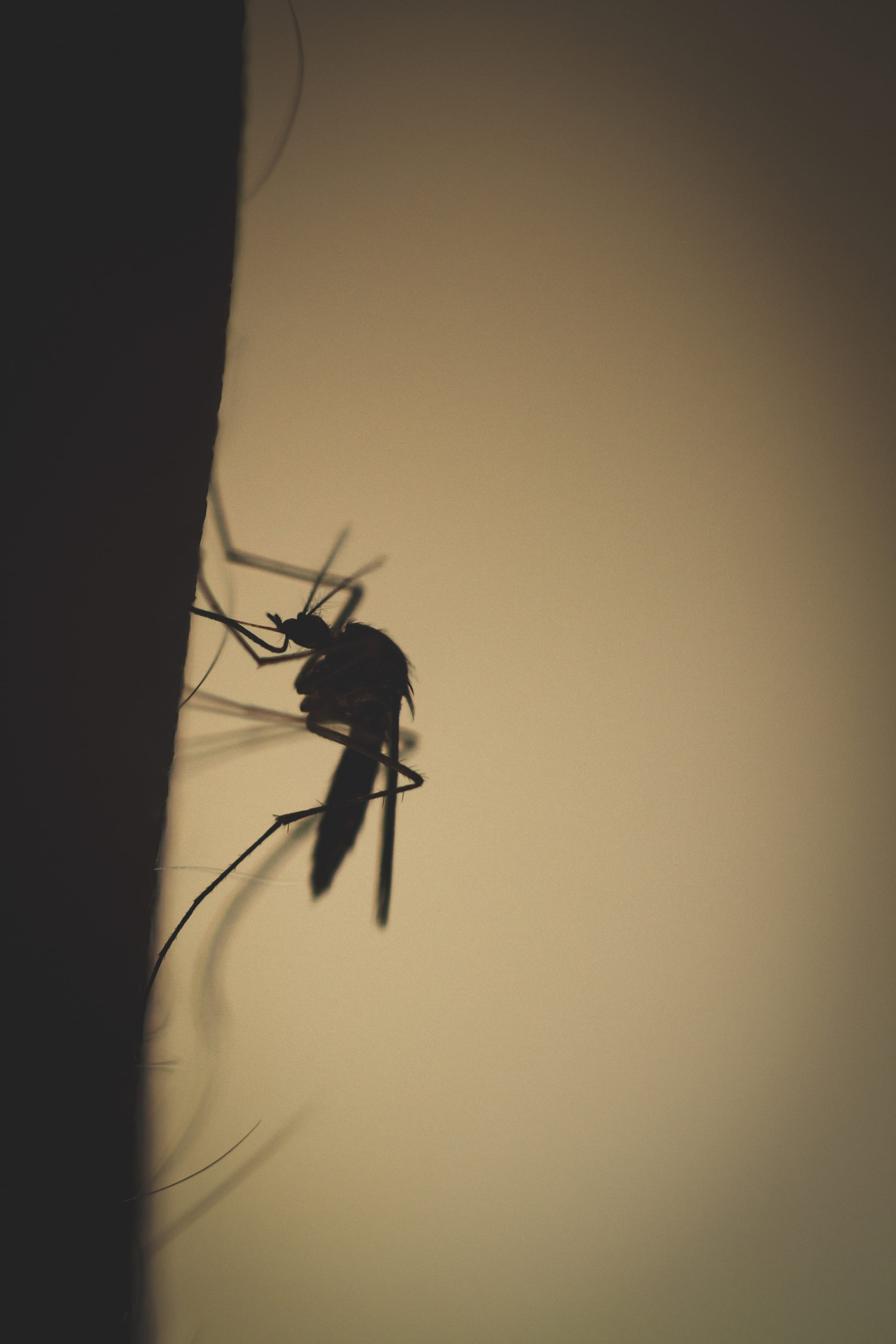
Although extreme heat has reduced South Korea's mosquito numbers this summer, health authorities caution that it is too soon to relax precautions as temperatures moderate.
“As mosquito populations may increase again after the heat wave, local governments in high-risk areas should strengthen comprehensive control measures to reduce mosquito numbers,” KDCA chief Lim Seung-kwan said in a statement on Thursday.
Lim urged those in high-risk areas to avoid outdoor activities at night, wear loose-fitting long clothing, and use insect repellent and window screens to prevent mosquito bites.
Although peak biting times vary by season, mosquitoes are generally most active between 7 p.m. and 5 a.m.
The Korea Disease Control and Prevention Agency also issued a nationwide malaria alert Thursday after malaria parasites were detected in mosquitoes collected in Paju and Yeoncheon, in northern Gyeonggi Province.
The KDCA monitors the prevalence and population density of Anopheles mosquitoes, which transmit malaria, and issues a nationwide alert when malaria parasites are detected in collected mosquitoes. The malaria parasite Plasmodium vivax was detected in mosquitoes collected in Paju and Yeoncheon between July 27 and Aug. 2.
The KDCA first issued a nationwide malaria advisory June 22 after mosquito populations began to rise.
Mosquito populations are currently lower than they were at the same time last year, largely due to the heat wave. South Korea reported 201 malaria cases from January through July this year, down 43.4 percent from the 355 cases reported during the same period last year.
ssh@heraldcorp.com