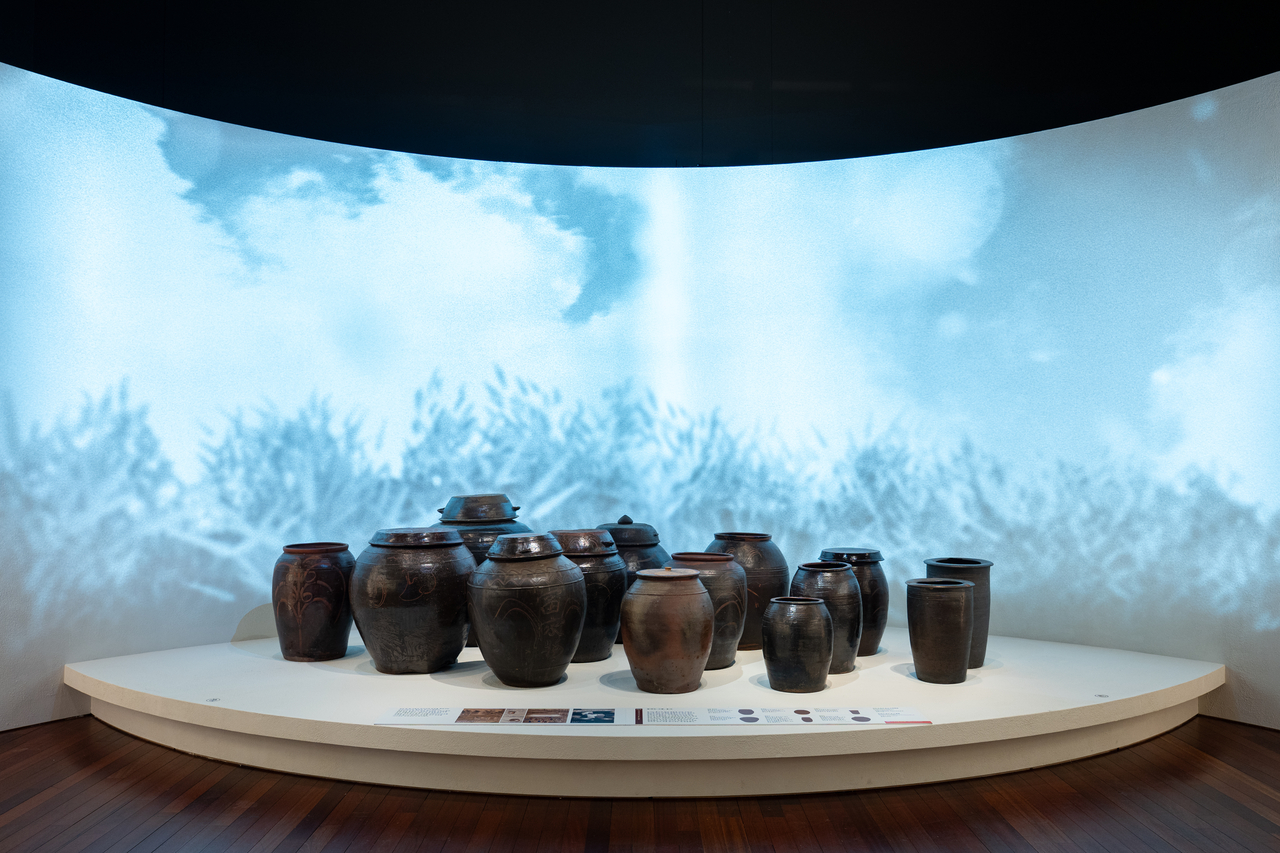
Rows of brown earthenware jars may appear unremarkable at first glance. Yet these traditional Korean earthenware vessels known as "onggi" have been far more than simple kitchenware for centuries.
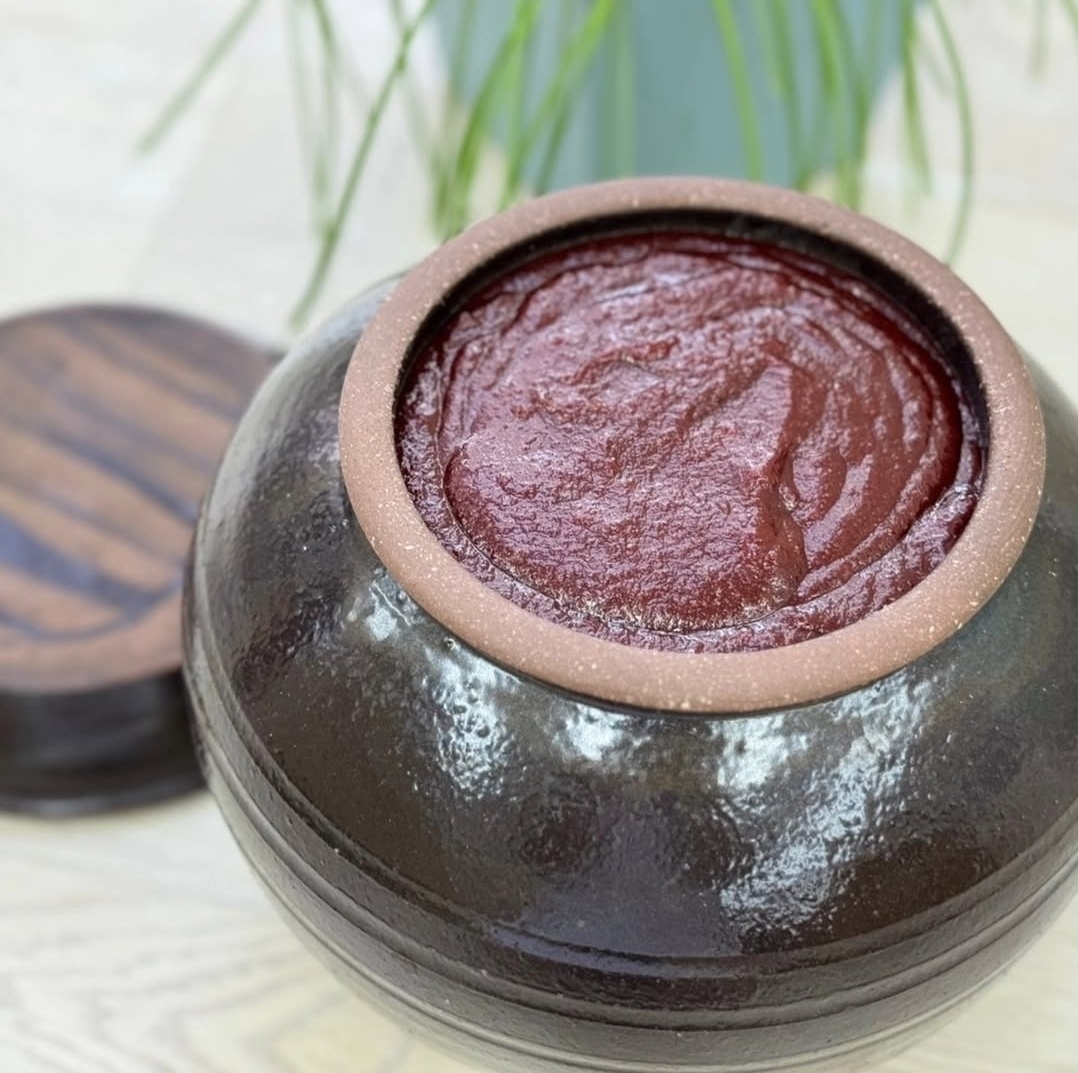
The humble vessels helped shape one of Korea's defining culinary traditions by allowing fermented condiments and foods to mature over time. Among the foods traditionally fermented in onggi is "jang" — the family of fermented condiments such as soy sauce, or ganjang, soybean paste, or doenjang, and red chili paste, or gochujang.
Unlike glazed ceramics designed to be completely impermeable, onggi pots have microscopic pores that allow limited circulation of air and moisture. This subtle breathability creates a stable environment for fermentation while protecting the food from excessive moisture and spoilage.
"As Korea's natural environment varies from region to region, the shapes of onggi also developed differently to suit local climates. Such regional variations shaped the distinctive flavors of jang and kimchi made in each household," reads a panel in the National Museum of Korea's special exhibition, "The Korean Table: Food, Nature and Life."
Although modern fermentation can now be carried out in stainless steel tanks using advanced food technology, onggi remains an enduring symbol of Korea's culinary heritage and continues to be crafted by Korean artisans.
Jang: Soul of Korean fermentation
The process begins not with the jars themselves, but with meju — blocks of boiled soybeans that are naturally fermented and dried during winter.
Once matured, the meju is placed into onggi with brine and left to ferment.
Months later, the liquid becomes ganjang, while the remaining soybean solids are transformed into soybean paste. Gochujang is made by fermenting a mixture of powdered meju, glutinous rice, red chili powder, malt and salt.
"Jang fundamentally transforms the properties of soybeans, developing layers of umami and aroma that go far beyond simple saltiness," Park Chae-lin, a researcher from the World Institute of Kimchi, writes in the catalog published by the National Museum of Korea.

In 2024, Korea's jang-making culture was inscribed on UNESCO's Intangible Cultural Heritage of Humanity, recognizing not only the fermented condiments themselves, but also the practices and social customs surrounding their preparation and making the fermented paste.
The Ven. Seonjae — known for her temple cuisine and appearance on Netflix's "Culinary Class Wars" — released a new book in June, "Foods that Nourish Me," on cuisine centered on seasonal ingredients and harmony with nature.
In the book, the Buddhist nun says jang is the "source of vitality and immunity."
After being diagnosed with liver cirrhosis and told she had less than a year to live, the Ven. Seonjae said in the book she devoted herself to eating meals prepared with homemade soy sauce, doenjang and gochujang.
Six months later, she recalled, her doctor was surprised to find that she had developed antibodies.
While rooted in tradition, jang has increasingly found a place in contemporary gastronomy. Chefs in Korea and abroad, along with global food franchises, are incorporating fermented Korean condiments into dishes that extend far beyond traditional cuisine.

American fast casual restaurant Shake Shack in Turkey rolled out a Korean-style menu this year that included gochujang fries, gochujang chicken bites and the gochujang burger.
At Seoul's Michelin three-star restaurant Mingles, chef Kang Min-goo, who makes his own jang with his culinary team, has reinterpreted Korea's three principal condiments in his signature dessert, called the "Jang Trio," pairing doenjang creme brulee with ganjang-coated pecans and gochujang puffed rice.
"Korean cooks endeavored to unlock the life-supporting protein contained in soy with an ingenuity I find astonishing even today, using the plant to make foods that included dubu (tofu), soybean milk, soybean oil and bean sprouts.
"But among all the ways of enjoying soybeans, jang is the most profound," Kang writes in "Jang: The Soul of Korean Cooking."