Koreans averaged 6.5 trips and spent 852,000 won at home, but shelled out far more on overseas travel
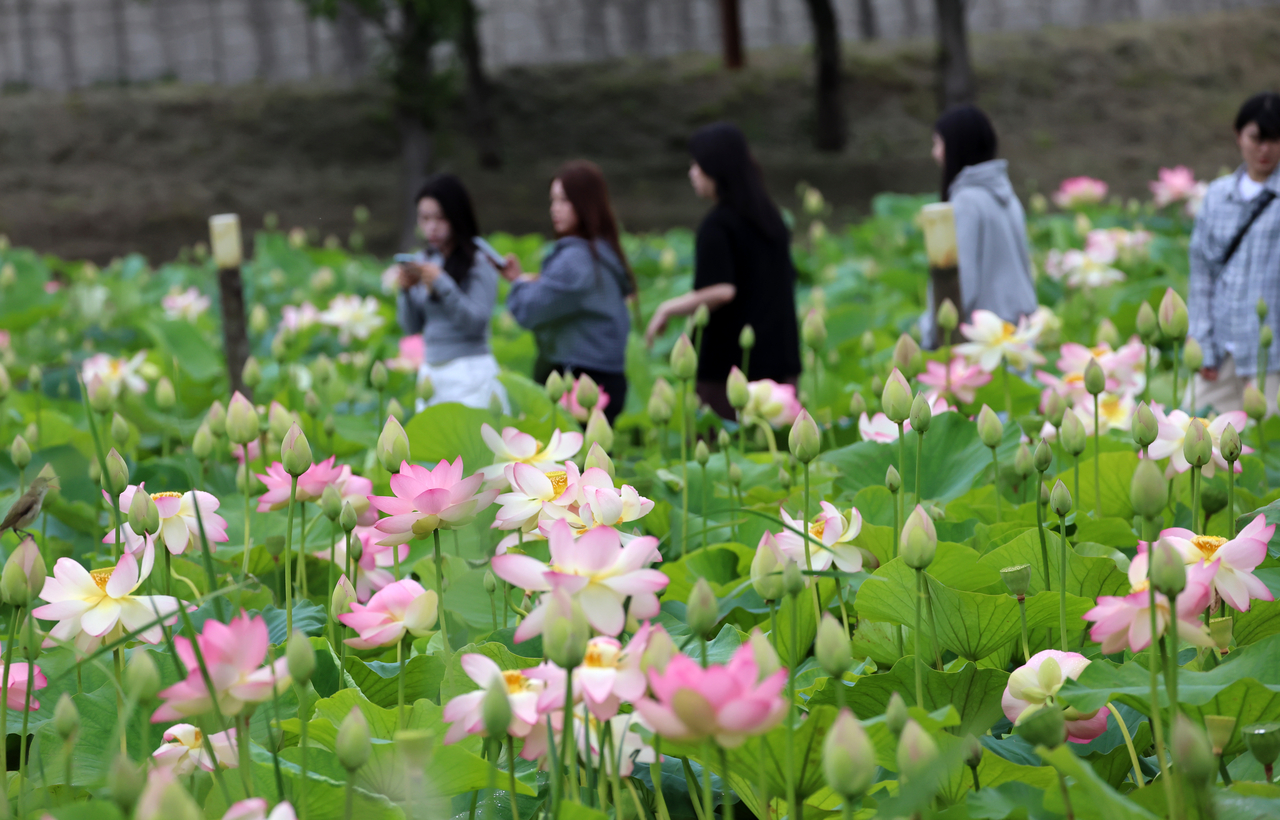
Koreans took more domestic trips, traveled for longer and spent more doing so last year, reversing a yearlong dip, with growth concentrated in provincial regions outside the Seoul metropolitan area, the Ministry of Culture, Sports and Tourism said Tuesday.
The 2025 National Travel Survey found that 97 percent of Koreans took at least one domestic trip in 2025, up 1.6 percentage points from 2024. They made 300.9 million domestic trips spanning 472.5 million days and spent 39.5 trillion won ($25.5 billion) — increases of 3.1 percent, 5.4 percent and 7.3 percent, respectively. All three figures had declined the previous year.
Per person, that amounted to an average of 6.5 trips and 10.2 days away over the course of the year, at 852,000 won a head.
The survey, a state-approved statistic, polls 4,300 people aged 15 or older each month, or 51,600 a year.
The rebound was most noticeable outside of the Seoul metropolitan area. Travel days grew 20.6 percent in Daejeon, 10.6 percent in Gangwon Province and 9.3 percent in North Jeolla Province, far outpacing the capital, at 2.9 percent, and Gyeonggi Province, at 5.5 percent.
The shift came with longer stays. The share of domestic trips that included at least one overnight rose to 41.3 percent from 40 percent in 2024, which the ministry said points to a move away from day trips toward travel that keeps spending in the regions.
Dining took the biggest bite out of travel budgets, at 36.7 percent of spending, though that share and transport, at 21.3 percent, both slipped from 2024. Accommodations, groceries and travel activities each edged up — by 0.5, 0.5 and 0.6 percentage points, respectively — in line with the shift toward longer regional stays.
Travelers were generally satisfied. Overall satisfaction with leisure trips came to 80.4 out of 100, little changed from 80.6 in 2024. Natural scenery earned the highest marks, at 88.6, ahead of accommodations, cultural heritage sites, restaurants and hands-on programs. Among destinations, Jeju Island scored highest at 83.2, followed by South Gyeongsang Province, Busan, South Jeolla Province, and Gangwon Province and Gwangju, with the last two tied.
Among those who did not travel, the most common reason was a lack of time, cited by 37.3 percent, followed by difficulty syncing schedules with family or friends, at 16.3 percent, and a simple lack of interest, at 9.2 percent.
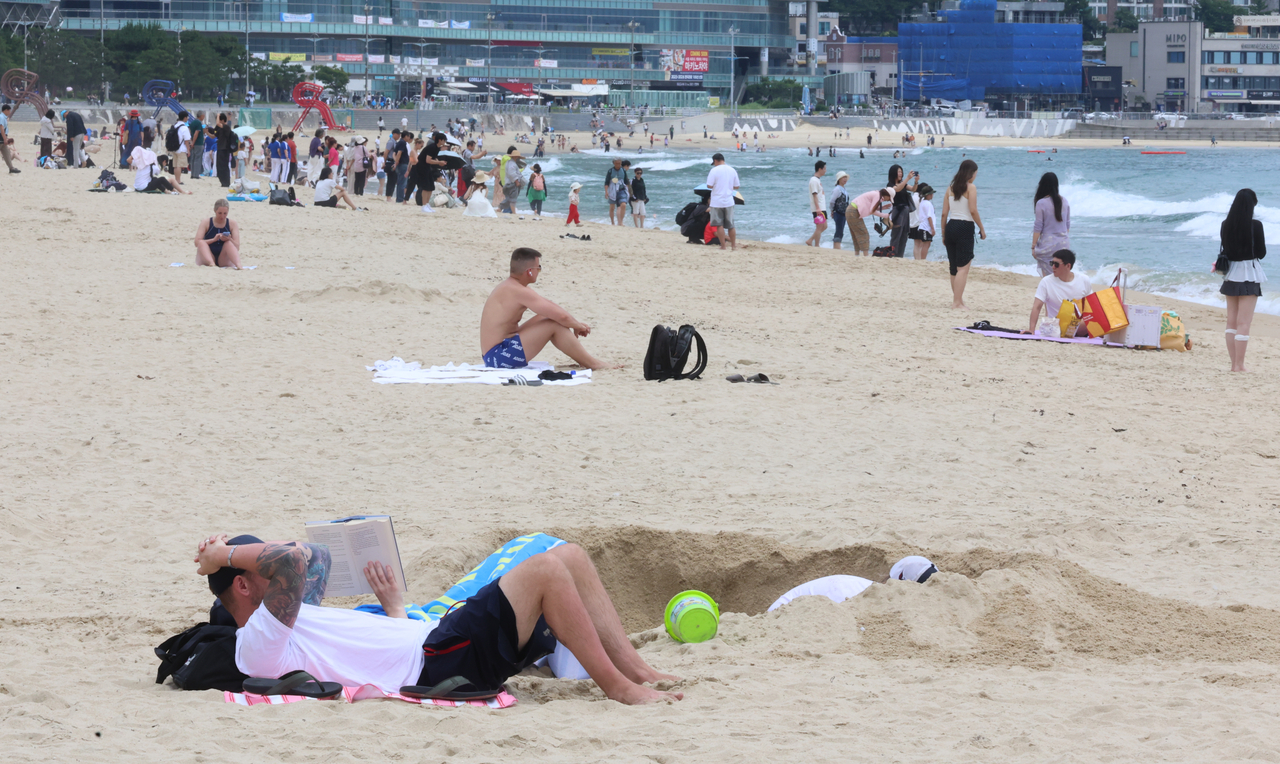
The same survey points to a sharp contrast to travel abroad. While 97 percent of Koreans took a domestic trip, just 21.5 percent traveled overseas, a share that actually slipped 0.6 percentage points from 2024. Those who did go, however, stayed longer and spent more. The number of overseas travel days rose 10.1 percent to 119.2 million, and overseas spending climbed 10.4 percent to 36.1 trillion won, both now above pre-pandemic 2019 levels.
That brings spending abroad to within striking distance of the 39.5 trillion won Koreans spent traveling at home, even though far fewer people made such trips. The average overseas trip lasted 4.7 days and cost 1.42 million won — more than the 852,000 won average spent on domestic travel over the entire year.
gypark@heraldcorp.com


![[Graphic News] Average parental age of S. Koreans rises](https://wimg.heraldcorp.com/news/cms/2026/09/27/news-p.v1.20260927.0bcbf944ca9043c4a6ad4401fcfae25c_T1.gif?type=h&h=800)