Partly autobiographical novel explores what it takes to repair broken family ties
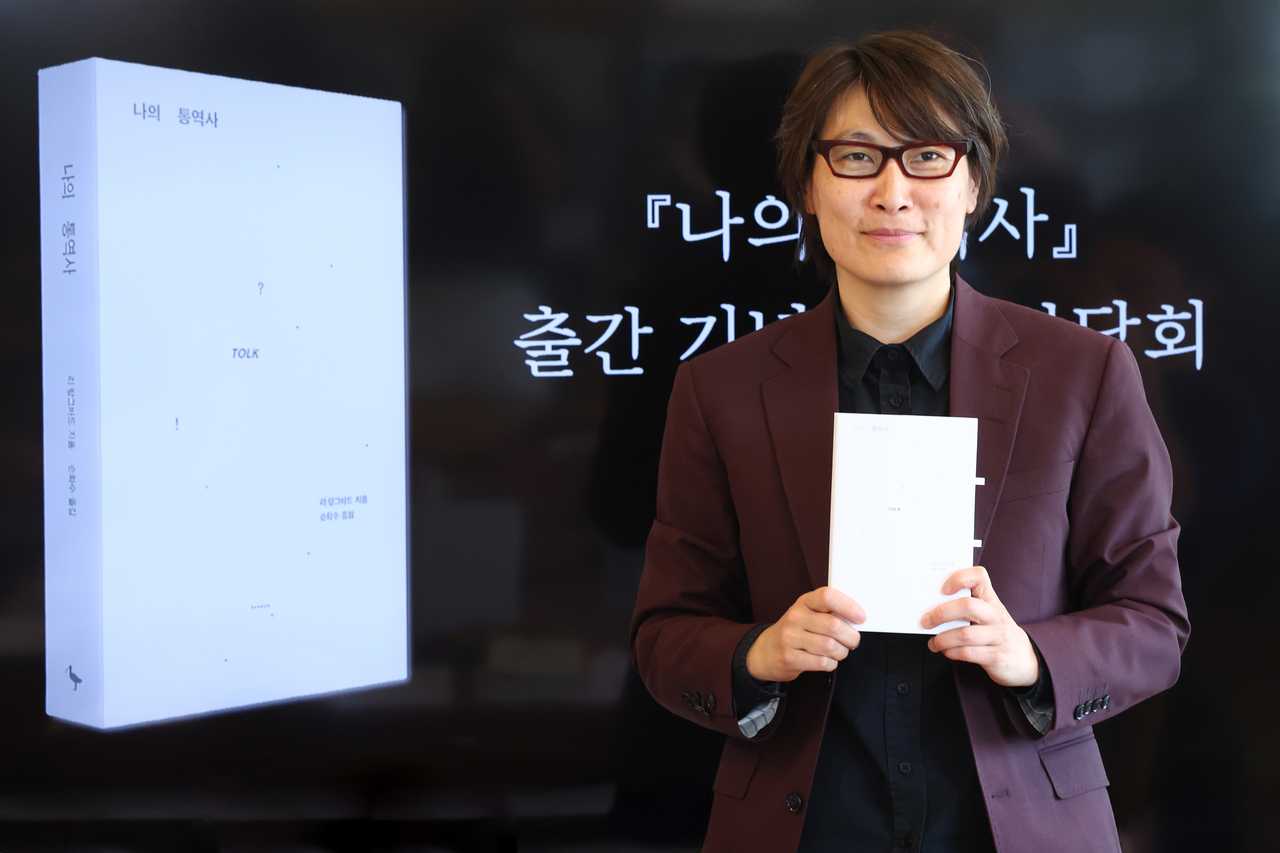
In one scene from "The Interpreter," a Danish Korean adoptee sits with an interpreter and her birth family. As questions and answers pass around the table, Korean reaches her only as silence — an absence she can hear but not understand.
The interpreter and I look at each other and smile.
My father says ______?
My interpreter says, "He asks if you're still writing."
I say, "Tell him yes, I am."
My interpreter says ______.
My father says ______.
My interpreter says, "He hopes you'll become a famous writer."
In Lee Langvad's unconventional novel, parts of the dialogue are left blank. The Korean-born Danish writer and adoptee has chosen what she calls a "language of silence" to capture the fractured experience of diaspora.
"I had to invent this new language — these blank lines — to describe the loss of language," Lee Langvad said during a group interview with Korean reporters in Seoul on Tuesday.
"I think the blank line symbolizes all the things that adoptees don't have access to: the language, their own personal information or their own documents. You can think of the blank lines as representing all the unknowns, all the gaps in our stories."
But to Lee Langvad, silence is not simply an absence. It is full of presence — something that can be heard and felt.
Recalling her own experiences with her birth family, she said, "For many years, there was a lot of silence in our meetings. That's why food plays a very big part. It plays a big role in the book because food is something you can share without being able to communicate."
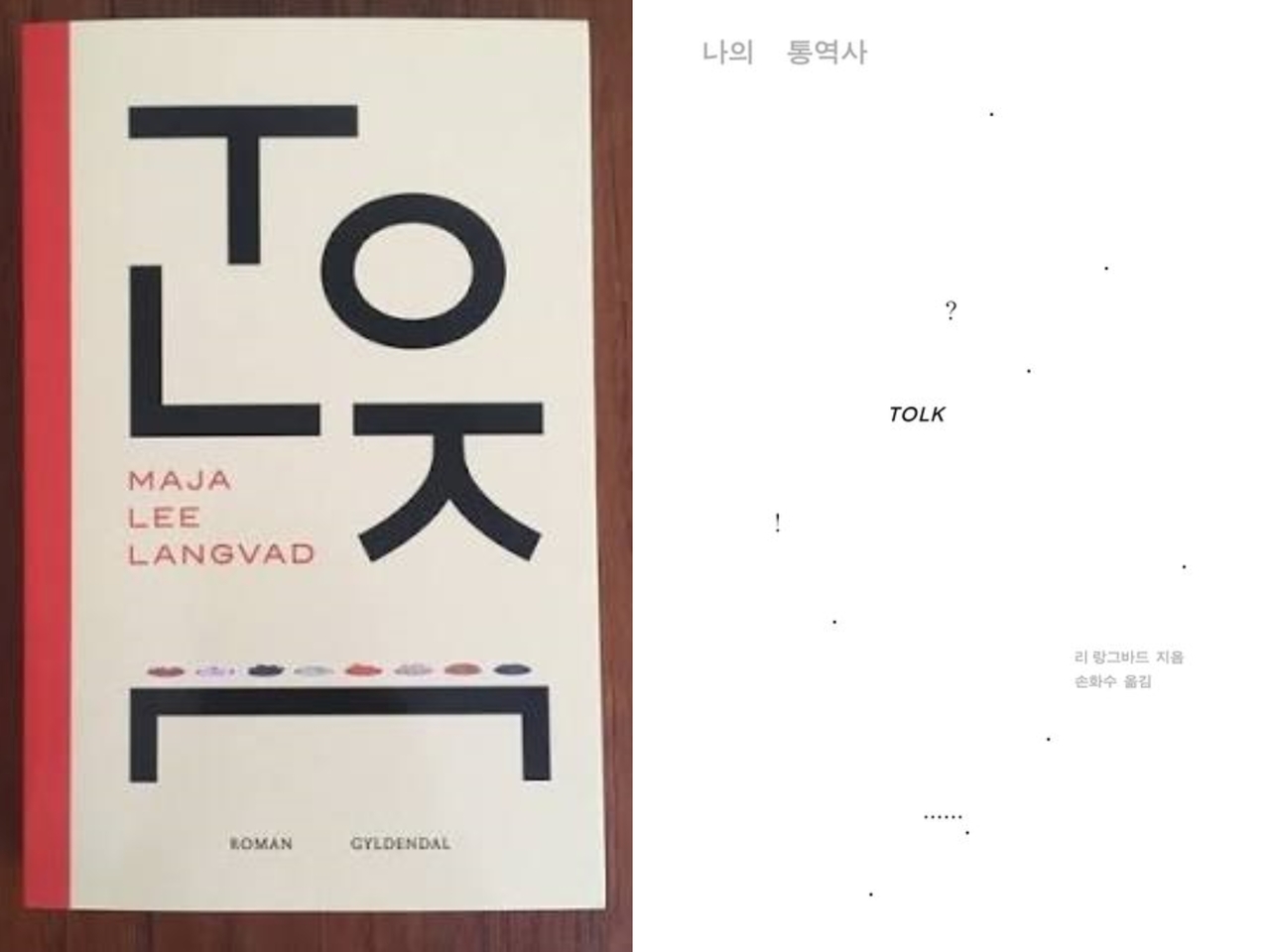
Born in South Korea in 1980 and sent to Denmark for adoption at 2 months old, Lee Langvad has long drawn on her own experiences as an adoptee to examine the contradictions and injustices of the transnational adoption system.
Her previous works include the award-winning 2022 poetry collection "She Is Angry," while her latest novel, "The Interpreter," shifts from anger to grief as its dominant emotional register. The novel won the prestigious Montana Literature Prize in Denmark.
Lee said the novel was intended to explore a chapter of the adoptee experience that is rarely portrayed.
"There are well-known stories about adoption, about the search and reunion. Stories many people know from television programs," she said. "But they usually end when the adoptee meets the birth family. Actually, that's when a whole new journey begins. That's the journey I wanted to describe."
The novel begins 12 years after the protagonist has reunited with her Korean birth family. Over the next six years, it follows their repeated meetings in Korea and the slow, difficult process of rebuilding family ties.
"What I wanted to describe is what it takes to maintain and repair the relationship with the birth family over time."
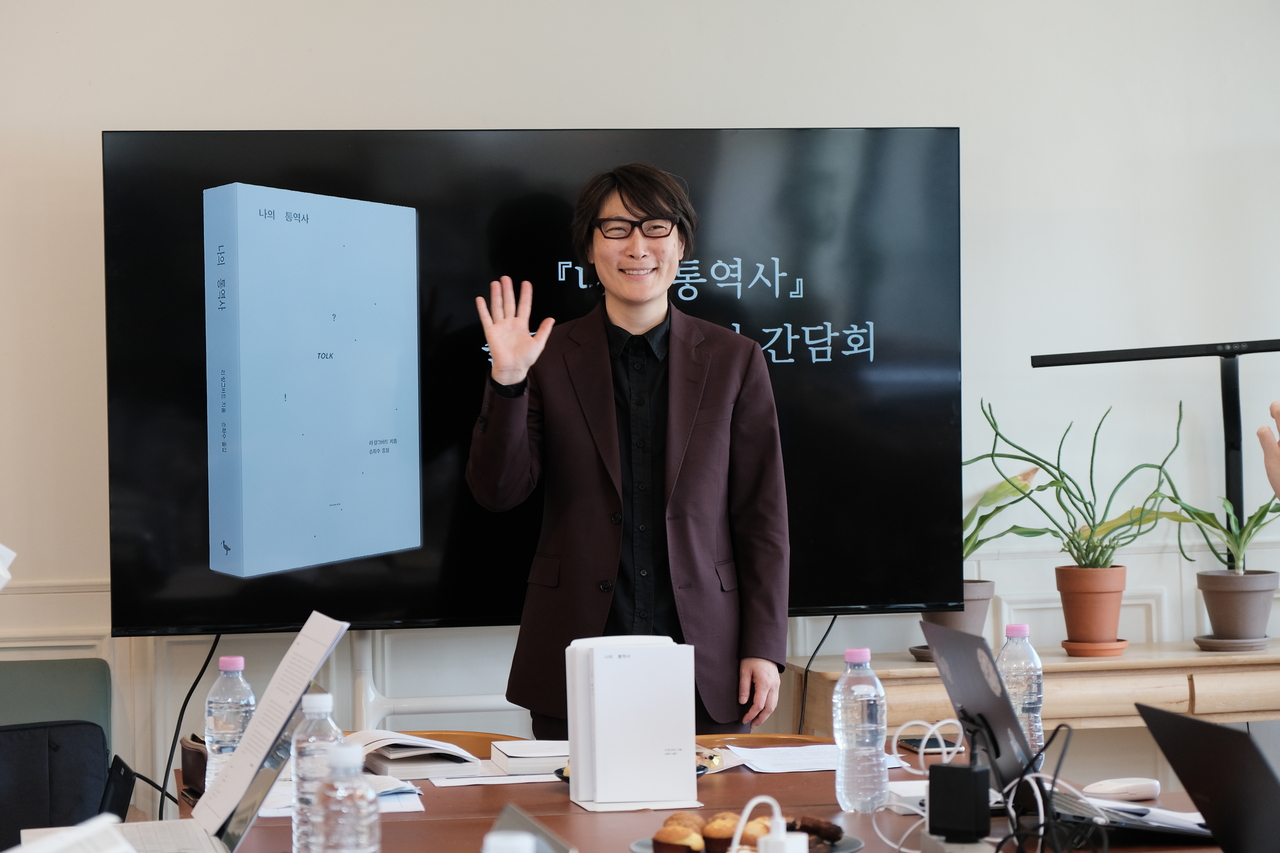
The novel incorporates autobiographical elements while painting a portrait of a multigenerational Korean family, from "the father who experienced the war" to the sisters and the nieces and nephews.
Running alongside that family story is a queer narrative that adds another layer of emotional tension while exploring the challenges of what Lee Langvad calls a "double minority." Complicating matters further, the protagonist's interpreter is also her girlfriend.
Although "The Interpreter" draws partly on Lee Langvad's own experiences, she stressed that it is not an autobiographical work, saying she made "about 50 percent of the book" fictional because she wanted it "to be read as fiction rather than as an autobiographical book."
Now translated and published in Korean, the novel holds deep personal meaning for Lee Langvad.
"As a Korean adoptee, I lost my language. I lost the language I was supposed to speak and write in, and basically I lost the opportunity to have a voice in Korea," she said. "But with this publication, I feel I've been given a literary voice in Korea. It strengthens my sense of belonging here."
hwangdh@heraldcorp.com