Samsung Electronics Co. and its largest labor union resumed government-led wage mediation talks Wednesday, one day before a planned major strike that could disrupt the chipmaker's operations and affect global supply chains.
The two sides are seeking to reach an agreement over performance-based bonuses before nearly 48,000 workers are scheduled to walk off the job for 18 days.
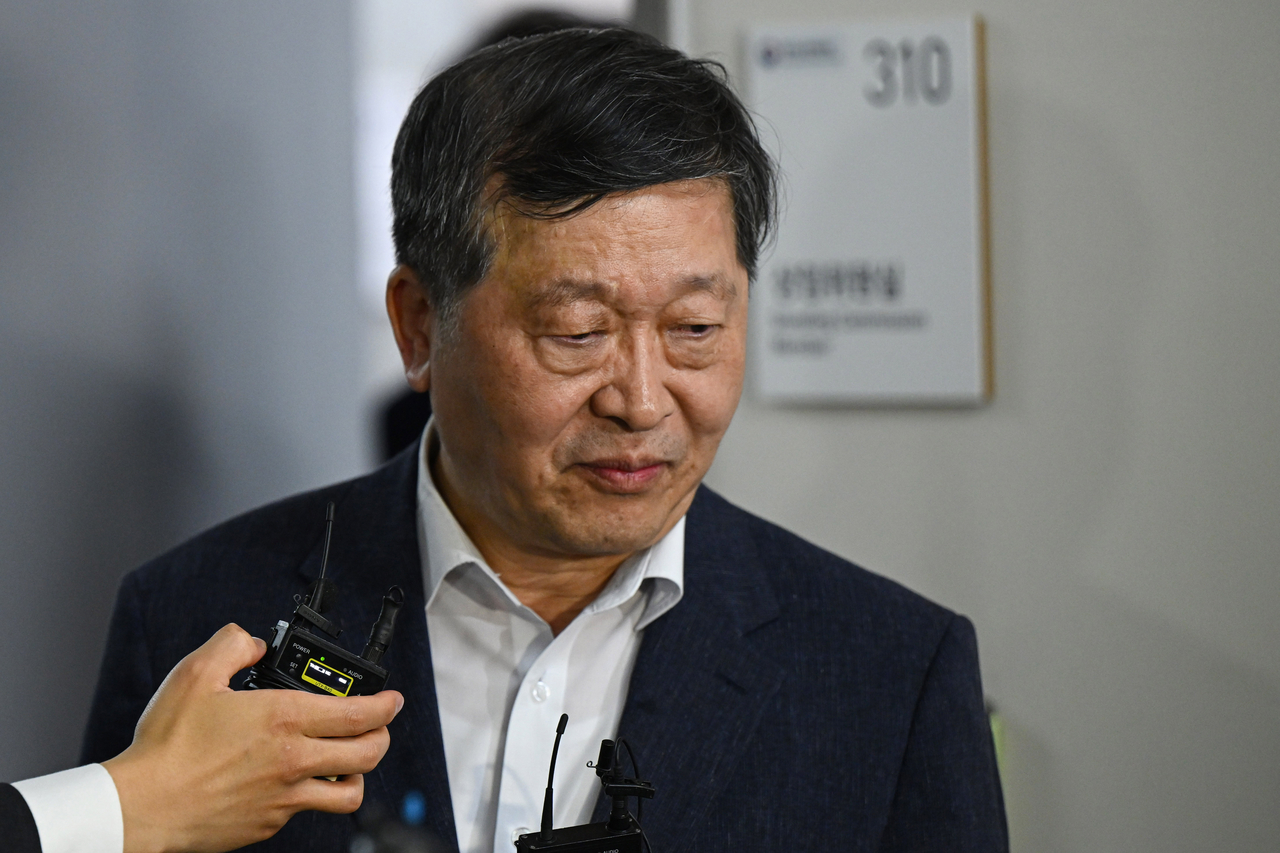
"We are doing our best until the very end to ensure the negotiations proceed smoothly," Choi Seung-ho, head of the largest labor union, told reporters before entering the National Labor Relations Commission.
Concerns have grown within the South Korean government and industry that a prolonged union strike could hurt the country's export-driven economy and disrupt global supply chains.
The union and management struggled to narrow their differences over a range of issues, including performance-based bonuses linked to earnings from the tech giant's artificial intelligence-driven semiconductor business.
"There are various sticking points, and (the two sides) have not reached agreement on the most important one," NLRC Chairman Park Soo-keun earlier said without elaboration.
"The management said that they will come with their final position at 10 a.m. today."
On the remainder of the sticking points, Park hinted that the two sides may have narrowed their differences considerably.
Park also confirmed that his commission has put forward a mediation proposal.
"A decision will come today as to whether the two sides will adopt an agreement or a mediation proposal given that agreement and mediation are (essentially) the same thing," he said.
Should an agreement be reached, the planned talks are expected to conclude in the morning to allow for a union vote on it to proceed.
The two sides have engaged in grueling negotiations over the elimination of bonus caps set at 50 percent of annual salary, how performance bonuses should be distributed to other loss-making business units and other issues.
If management and the union fail to strike a deal, or the union votes not to accept a deal, workers could press ahead with a strike on Thursday as previously threatened.
But the government could step in and invoke its emergency mediation right -- a measure meant to halt a strike or other industrial actions and initiate mediation procedures, when there is concern that those actions could cause damage to the national economy.(Yonhap)










