Despite public support for change, panel cites risks to rehabilitation and lack of evidence of a deterrent effect

South Korea will likely maintain the current minimum age of criminal responsibility at 14, following months of public debate sparked by rising concern over juvenile crime.
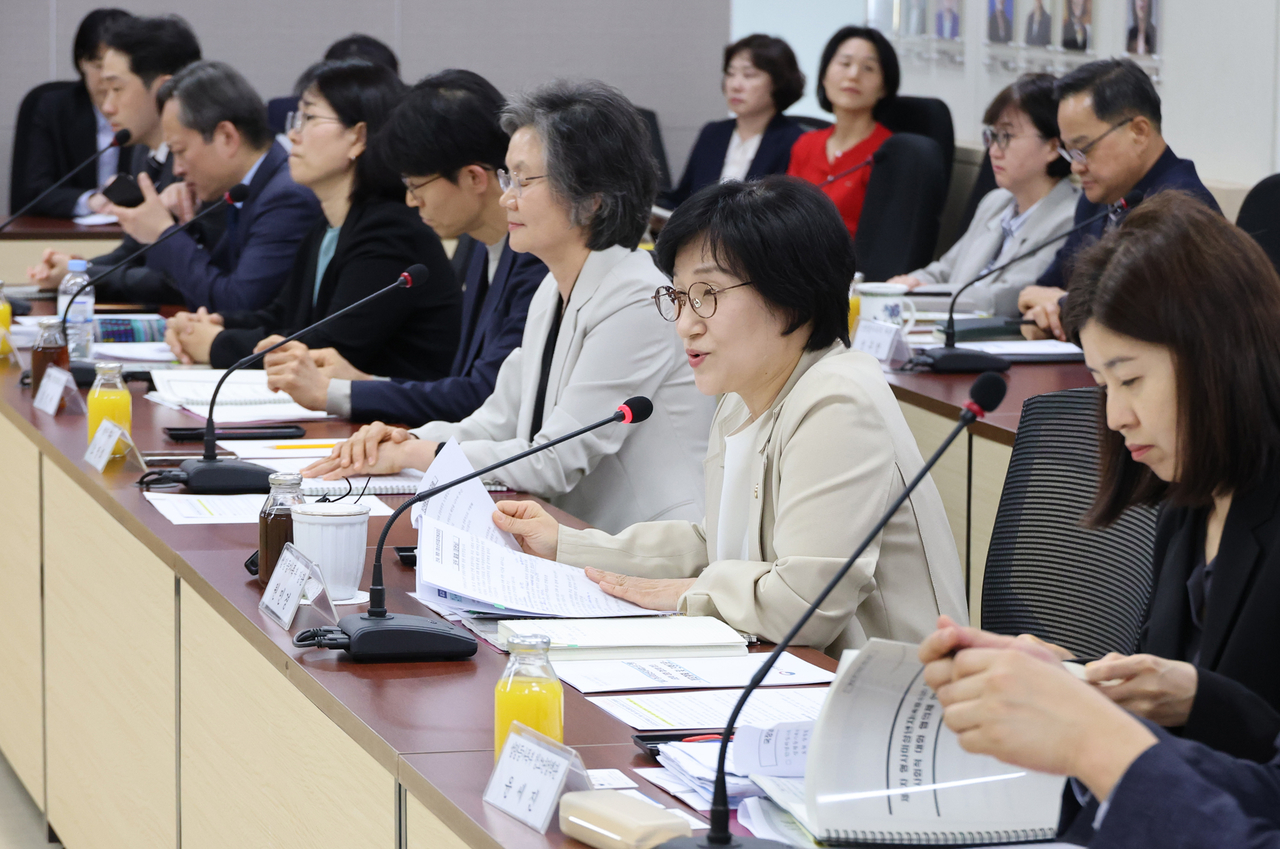
The decision was reached by a government-led deliberative body formed to review the age standard for juvenile offenders, minors aged 10-13 who are exempt from criminal punishment and instead subject to separate measures under the Juvenile Act.
The recommendation, adopted after a final vote on April 30, will be submitted to the Cabinet, which is expected to make a final decision later this month.
While the recommendation is advisory, officials say it is likely to carry significant weight given the scope and structure of the deliberation process, which combined expert analysis with citizen participation.
Rising crime concerns
The discussion came after growing public anxiety over youth crime, particularly after a series of high-profile violent incidents involving minors.
According to court statistics, the number of juvenile offenders rose sharply to 21,958 last year, up 83 percent from 2021. Cases involving sexual offenses also increased by more than 50 percent over the same period.
These figures fueled calls to lower the age threshold to 13, with supporters arguing that younger teens today are more physically and cognitively mature than in the past and therefore capable of criminal responsibility.
The push gained political traction earlier this year after President Lee Jae Myung ordered a public deliberation process, noting that “an overwhelming majority” of citizens appeared to support lowering the age.
In deliberative forums involving more than 200 citizens, a majority reportedly favored lowering the age limit, reflecting widespread frustration over what some perceive as legal loopholes. Public anger has been amplified by media coverage of cases in which minors appeared to show little remorse, at times boasting about their legal exemption from punishment.
Experts urge caution over deterrence
Despite strong public sentiment, expert participants in the committee largely opposed lowering the age, citing a lack of evidence that harsher punishment would reduce crime.
According to participants, the panel concluded there is insufficient empirical evidence that lowering the age of criminal responsibility would have a meaningful deterrent effect. It also warned that earlier exposure to the criminal justice system could stigmatize minors and hinder their chances of rehabilitation and reintegration.
Opponents of lowering the age argued that the apparent rise in juvenile crime may partly reflect increased reporting rather than a fundamental shift in behavior. The spread of unmanned stores, for instance, has led to more minor theft cases being formally recorded, potentially inflating statistics without indicating more serious criminality.
Legal scholars also stressed that equating harsher punishment with better protection for victims is a misconception.
“Punishing offenders and protecting victims are separate responsibilities of the state,” said one legal expert involved in past juvenile justice reforms, emphasizing the importance of a welfare-based approach that prioritizes education and prevention.
The final recommendation will be reviewed at an upcoming Cabinet meeting, where the government will determine whether to maintain the current legal framework or pursue legislative changes.
The deliberative body was launched on March 6, co-chaired by Gender Equality and Family Minister Won Min-kyong and former Supreme Court Justice Noh Jeong-hee. Its members included five government officials from agencies such as the Ministry of Justice, Ministry of Health and Welfare, Ministry of Education, and the National Police Agency, as well as 10 civilian experts, including former judges and prosecutors, academics and representatives from relevant organizations.
jychoi@heraldcorp.com


![[Legal updates in Korea] New insurance mandate protects firefighters on the job](https://wimg.heraldcorp.com/news/cms/2026/10/01/news-p.v1.20261001.76835f19eb424f18814ac3bb65d896a9_T1.jpg?type=h&h=800)