K-pop promotions are becoming increasingly interactive and concept-driven, as artists move beyond traditional teasers and social media challenges to create more campaigns that invite fan participation.
Girl group Le Sserafim’s latest social media rollout for its upcoming single “Celebration” is one of the most recent examples of this shift.
The quintet recently launched the “#TimeToCelebrate” campaign across its official channels, encouraging fans to share and celebrate everyday moments.
Moving beyond the conventional teaser rollout in the days leading up to a comeback, the group began teasing its return months in advance through a campaign centered on small, relatable experiences — from “wearing white socks” to “welcoming the weekend” — while the members engaged with fans by replying to their posts.
The strategy reflects Le Sserafim’s continued emphasis on concept-driven promotions. In October 2025, the group drew attention with its EP “Spaghetti,” pairing the release with food-themed marketing, including earphones designed to resemble spaghetti noodles and a cooking collaboration with Italian chef Kwon Sung-joon, also known as “Napoli Mafia.”
Such approaches are part of a wider trend in the K-pop industry, where promotional strategies are becoming increasingly experimental and interactive.
As the industry increasingly targets younger, digitally native audiences, agencies are moving beyond conventional teaser images and trailers and are instead creating immersive campaigns that function as standalone content.
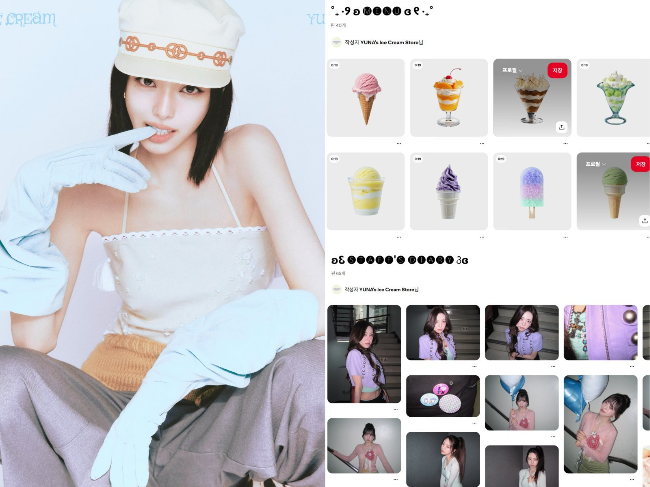
For example, Itzy member Yuna recently used Pinterest to promote her solo debut, creating a themed account titled “Yuna’s Ice Cream Shop” to share concept visuals and behind-the-scenes content for her EP, “Ice Cream.”
Similarly, Day6 member Wonpil shared the creative process behind his solo album through Notion, offering fans detailed insight into his songwriting and production notes — drawing praise for his openness.
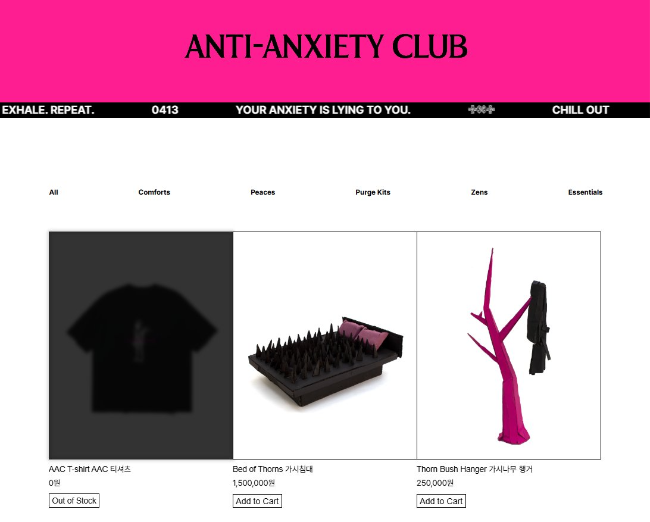
Tomorrow X Together also experimented with immersive storytelling by launching a campaign that translated its album themes into real-world experiences, including a virtual brand selling “anxiety relief items,” tying into the group’s core concept of exploring emotional struggles such as anxiety and uncertainty leading up to their contract renewals.
Industry observers say that these campaigns are not just creative but also help artists stand out in an increasingly saturated market.
“Rather than simply explaining an album’s concept, recent strategies are focused on creating something fans can actively engage with,” an industry official told The Korea Herald, Thursday. “While they help strengthen fan loyalty, they also help to attract new audiences — the more creative the approach, the more likely it is to be eye-catching. With the number of K-pop acts continuing to grow, distinctive promotional content has become essential for visibility.”
![[Graphic News] 6 in 10 people living alone feel lonely](https://wimg.heraldcorp.com/news/cms/2026/10/13/news-p.v1.20261013.78692699312346e2a2817fabedf14bb6_T1.gif?type=h&h=800)