From public unease to limited nursing facilities, barriers persist for mothers trying to breastfeed outside home
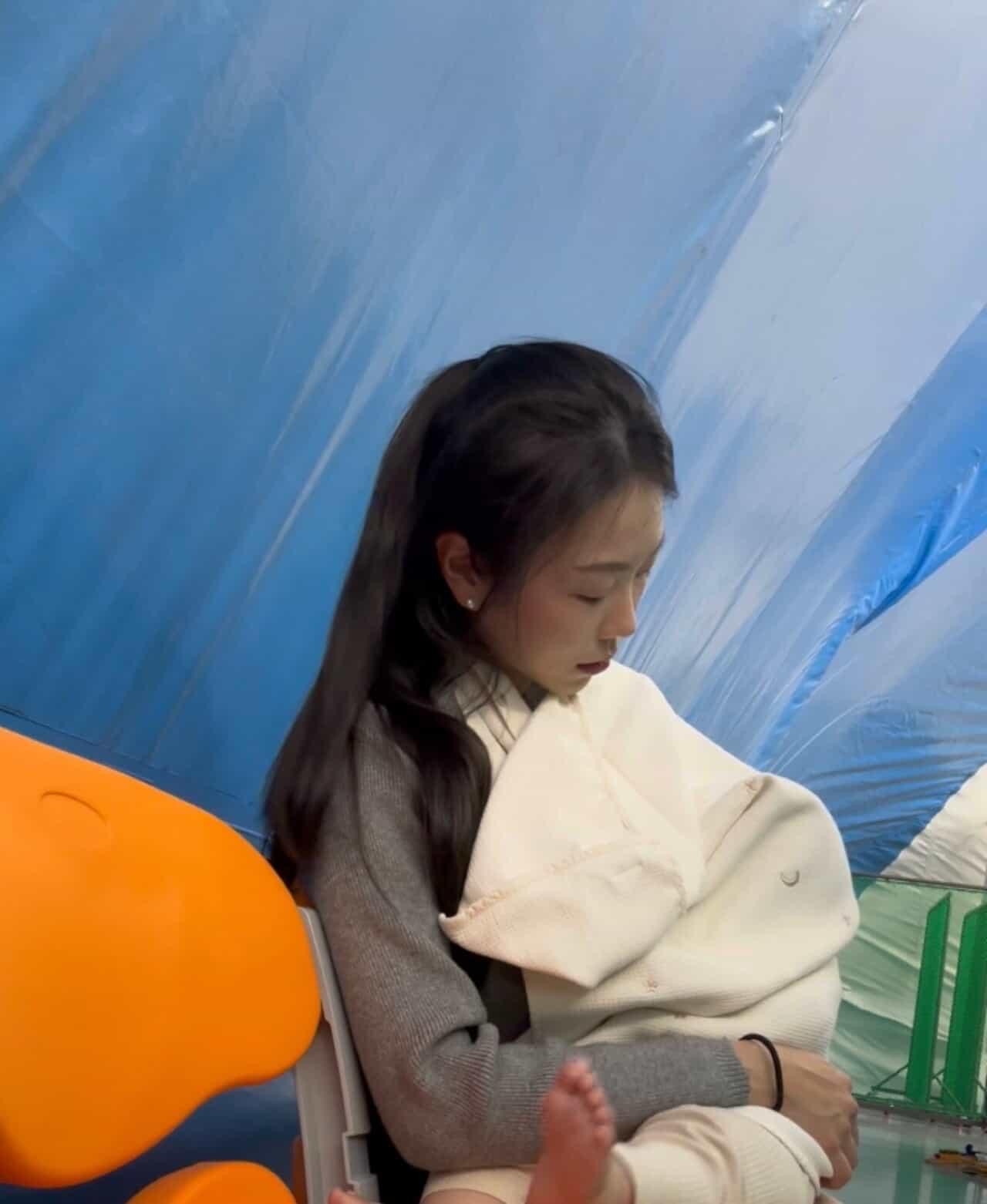
A bathroom stall, with its locked door and toilet seat, often becomes a lifeline for Cho Ji-won whenever her 11-month-old's hunger cues kick in outside the home.
The mother in her 30s, who has been breastfeeding since giving birth in May last year, finds herself heading to bathrooms when no lactation room is nearby or she does not have a nursing shawl.
Among mothers like Cho who breastfeed directly without expressing milk in advance, frequent feeding — often every one to two hours — leaves little time to find a nursing space, making bathrooms a last resort despite worries about slippery floors and germs.
Some manage in their cars or in cafes with private rooms, and in the most urgent situations, even fitting rooms at apparel stores.
What makes them breastfeed out of sight?
Even with a nursing cover, the act of exposing one's breast in public continues to provoke uneasy reactions, even within groups of mothers, according to Cho.
"I once had someone tell me it was 'embarrassing' to watch me breastfeeding on a subway bench. Another time on a KTX (train), I tried to tuck myself away in the luggage corner to feed my baby, but I still got questioned for it," she said.
"Even if no one says anything directly, I feel like there's always this negative vibe or judgmental looks whenever I breastfeed in public."
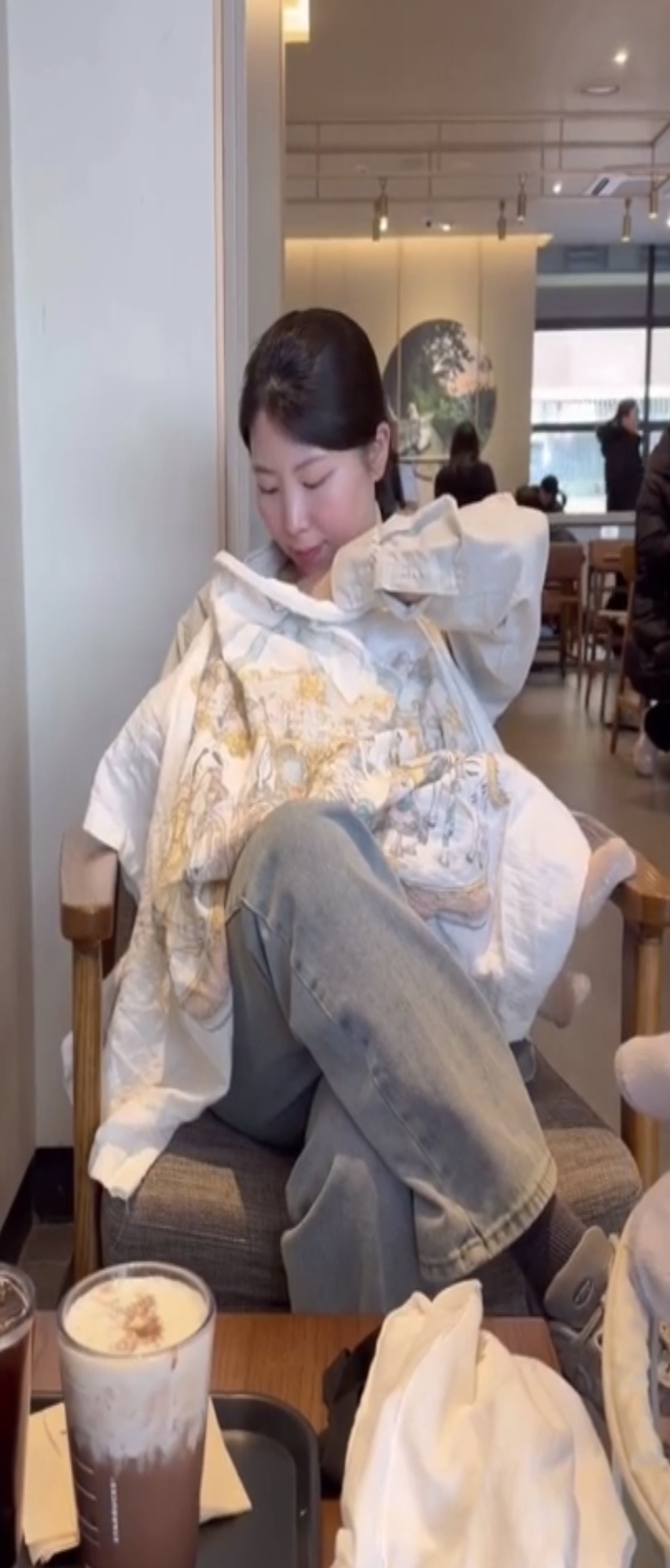
Hate comments about public breastfeeding have led some mothers to hide away when feeding their babies in common areas.
"I've felt intimidated by the negative comments on social media posts about moms breastfeeding in public. Even though no one has said anything to me directly, I still find myself being conscious of how others might see me when feeding my baby outside," said Han Ye-seul, a mother in her 30s raising a 6-month-old boy in Gyeonggi Province.
A quiet corner of a large franchise cafe is her go-to spot for breastfeeding when she parks far away or cannot find a nearby lactation facility.
Han said she cannot help but feel that people tend to see breastfeeding through a sexual lens when she is asked questions like, "What if your body might be exposed?"
"The nursing cover doesn't fully cover the sides of my chest, so I often worry someone nearby might see something. When my baby gets fussy, it's hard to soothe him while keeping the cover in place," she said.
Embarrassing sight to some
Opponents wonder why mothers do not make use of nursing rooms, whether public or private, instead of making others encounter unwanted views of their bodies.
"People don't undress in public just because there isn't a fitting room. The same should apply here. If it makes others uncomfortable, why not go somewhere less visible?" one user commented on Cho's video addressing the controversy over public breastfeeding.
"I don't mind it if it's done somewhere out of sight. But why should I have to see it?" another user wrote.
Negative sentiment tends to be stronger among unmarried men who are less familiar with breastfeeding and who may worry that a casual glance could be misinterpreted as inappropriate staring.
"I once heard a baby crying, turned around, and saw a mom breastfeeding on a restaurant terrace. She had a shawl over herself and the baby, but part of her breast was still visible. It felt awkward and embarrassing to see a stranger's body without meaning to," said Ko, a 33-year-old office worker in Yongin, Gyeonggi Province.
"People here are pretty sensitive about anything sexual, so even if I just happen to see it, I worry it might come across like I'm staring on purpose. I'm not saying mothers should hide to breastfeed, but using a nursing room when possible seems to help avoid misunderstandings."
But finding a private feeding place is not always a realistic option, as babies cannot wait long to be fed.
"Infants don't have a pause button for hunger. It's frustrating to see mothers stigmatized for responding to their child's needs, as if it's something that should be kept behind closed doors," Cho said.
Han echoed the sentiment, saying, "Breastfed babies usually need to eat every two to three hours, and unexpected situations are common. Expecting mothers to breastfeed only in indoor nursing rooms is no different from grounding them."
Some mothers point out that even when available, nursing rooms are often not truly private, as they are shared with fathers, grandparents and others family members, making them similar to breastfeeding in public with a cover.
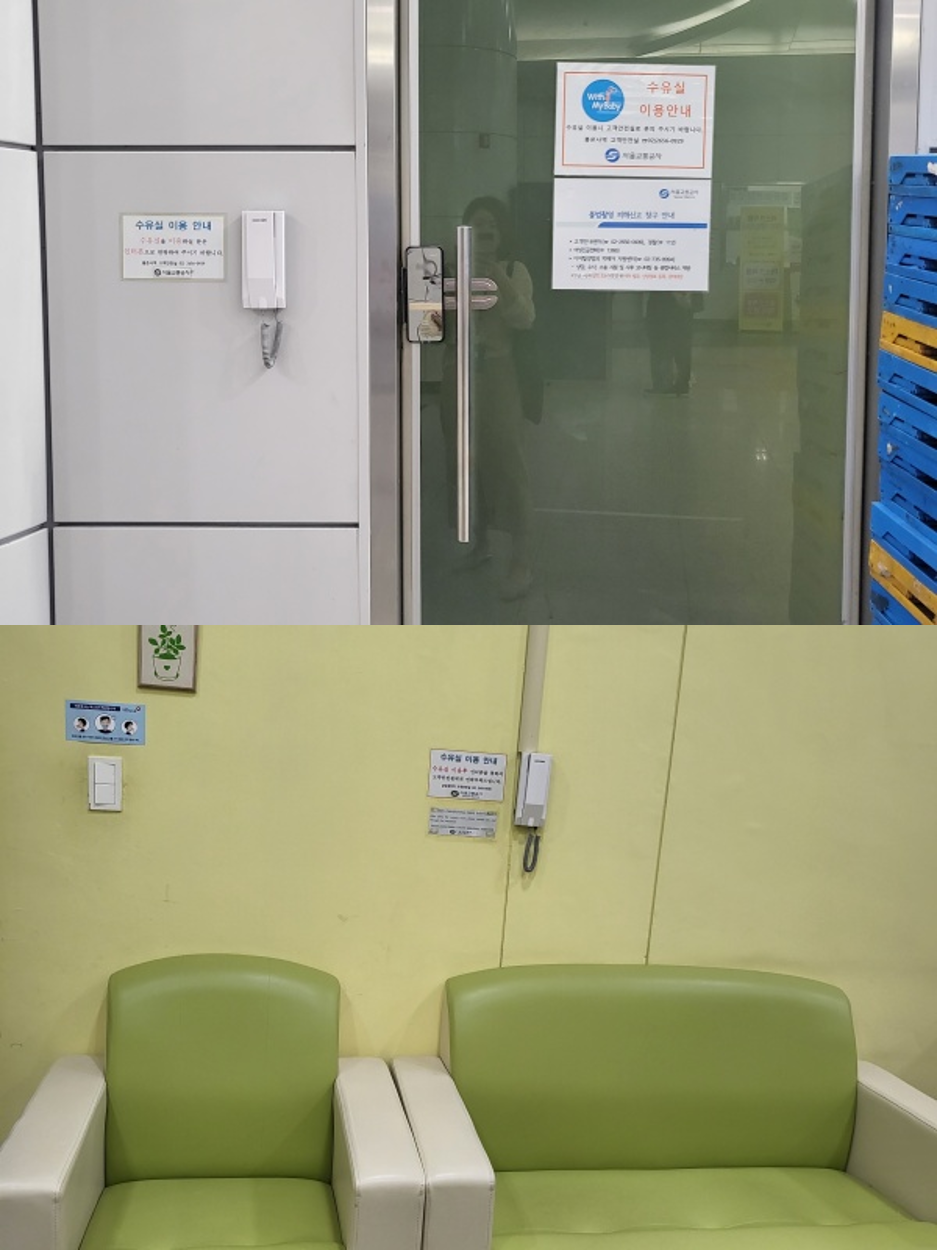
"I find nursing rooms a bit more uncomfortable because fathers who are bottle feeding their babies can freely come and go in the curtained areas," said Yoon Min-chae, a mother in her 30s with three children, aged 14 years old, 6 years old and 6 months.
"Once, I was feeding my baby in a nursing room that had only one curtained space when a family suddenly pulled the curtain aside and walked in. It really caught me off guard."
According to data from the Ministry of Health and Welfare, of the 518 nursing rooms across Seoul's 25 districts, including those operated in public facilities such as health centers and subway stations, as well as private venues like department stores and supermarkets, only 87 are designated exclusively for breastfeeding, as of March.
The rest are "family nursing rooms," which are open to various family members and even close friends.
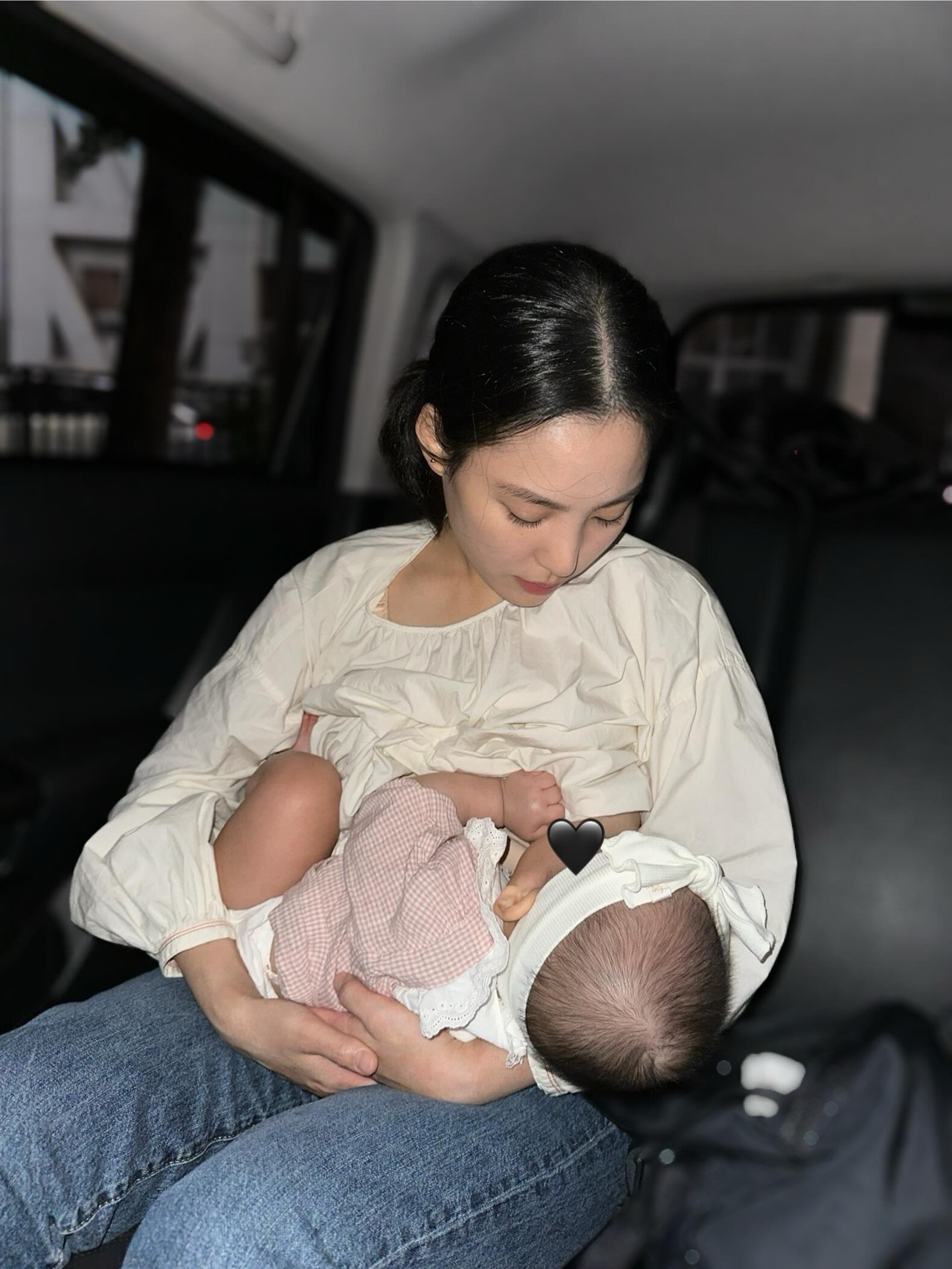
"I get a bit on edge, thinking someone might suddenly open the door or the curtain while I'm breastfeeding," said Yoo Jung-yeon, a mother in her 30s with a 2-year-old.
While those in major department stores and shopping malls are usually in good condition, others lack proper upkeep, making quiet corners in cafes or parks a preferred option, mothers said.
Han recalled using a nursing room at a highway rest stop during a trip to the island of Namhae in South Gyeongsang Province, saying, "The chair was so dirty I could barely sit on it, so I felt it would be more hygienic for the baby to just use a bench outside."
Kim Seo-hyun, a 36-year-old mother of a 6-month-old baby, said, "Many places are either too cramped or lack basic items like nursing cushions, making it difficult to find a comfortable position to feed. It made me understand why parents tend to gather at large shopping malls on weekends."
Motherhood collides with modesty
The discomfort — and at times backlash — surrounding public breastfeeding here is linked to long-standing cautious attitudes toward the revealing of women's bodies, according to Chung Yoo-mi, a pediatrician with more than 20 years of experience and the founding president of the Academy of Breastfeeding Medicine Korea.
"With views on the public exposure of women's bodies tending to be more conservative than in other countries, public breastfeeding has yet to become a familiar sight," Chung said.
"In this atmosphere, the challenge is not limited to others' reactions. Many mothers themselves feel reluctant to breastfeed in front of others, making it harder for the practice to gain wider acceptance."
Even with a nursing cover, exposing the breast in public can carry a sense of shame for some mothers.
"As a woman first, revealing parts of my body feels embarrassing," Yoon said.
"If there were enough well-equipped nursing rooms nearby, most mothers wouldn't choose to breastfeed outside," Kim said.
Stressing that feeding a newborn as soon as they are hungry is a "basic right," Chung said there is an urgent need to improve perceptions of public breastfeeding.
"Babies get hungry frequently, so they need to be fed right away when needed. Meeting a baby's basic need for food is a matter of their fundamental rights," she said.
Chung also emphasized the need to improve public breastfeeding infrastructure alongside changing social attitudes.
"While some facilities, such as major department stores and large supermarkets, are relatively well-equipped, there is a clear lack of accessible spaces in smaller commercial venues, transportation hubs, public offices and workplaces," she said.
"We need more simple but clean spaces that do not require high costs or complex management. These should be installed in easily accessible locations, with stronger hygiene and maintenance standards, as well as standardized operating hours and clearer guidance."