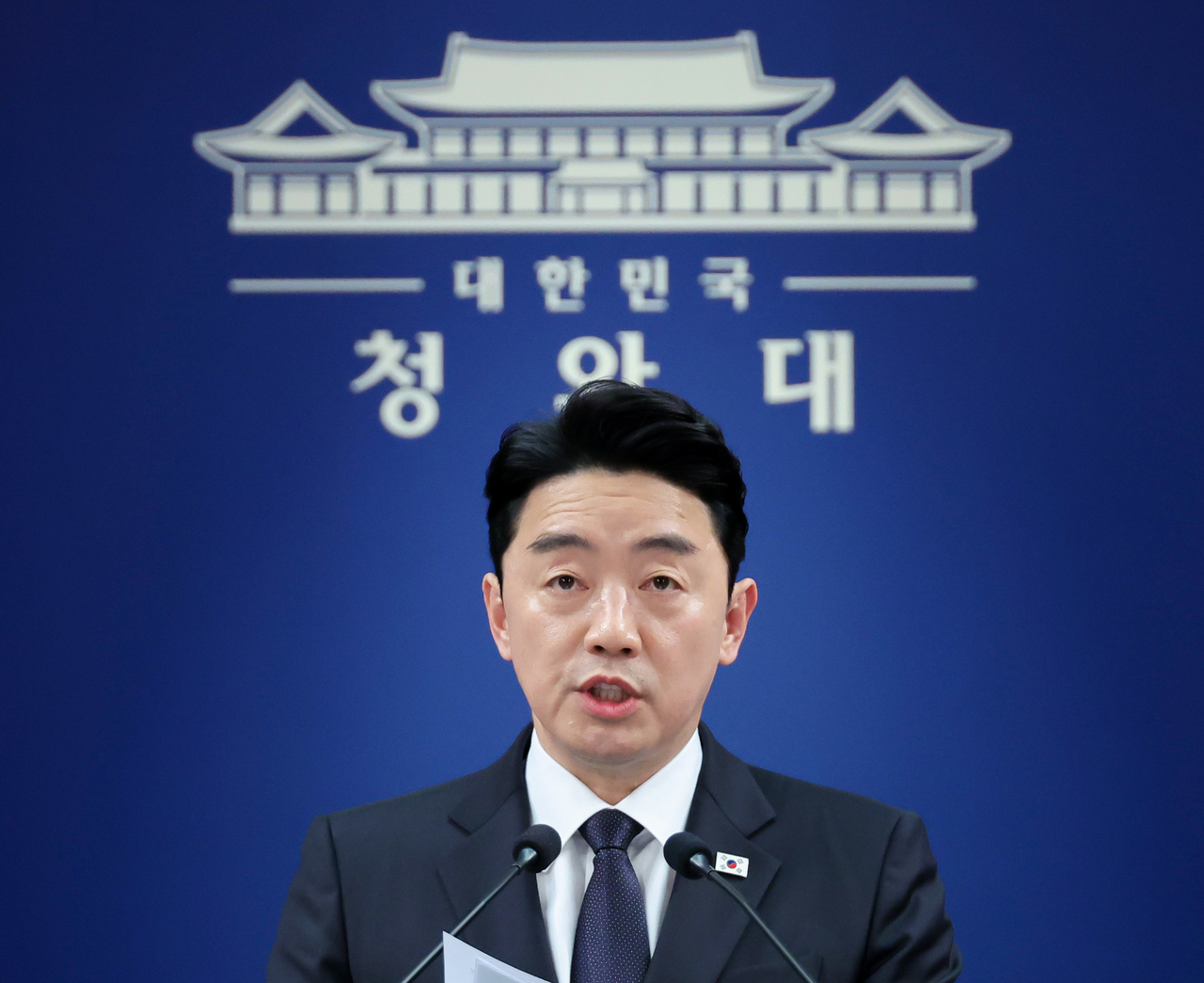
South Korea has secured 273 million barrels of additional crude oil and up to 2.1 million tons of naphtha through the end of this year from Kazakhstan, Oman and Saudi Arabia, President Lee Jae Myung's chief of staff said Wednesday.
Kang Hoon-sik made the announcement after returning from a trip to four countries — including Qatar — from April 7 to 14 as Lee's special envoy for strategic economic cooperation.
"In particular, the crude oil and naphtha secured this time are expected to be imported from alternative supply sources unaffected by any blockade of the Strait of Hormuz," Kang said during a news briefing at Cheong Wa Dae in Seoul. "Therefore, they are expected to contribute directly and materially to stabilizing domestic supply."
The secured crude volumes include 250 million barrels from Saudi Arabia, 18 million barrels from Kazakhstan and 5 million barrels from Oman, while the procured naphtha consists of 1.6 million tons from Oman and at least 500,000 tons from Saudi Arabia.
Kazakhstan
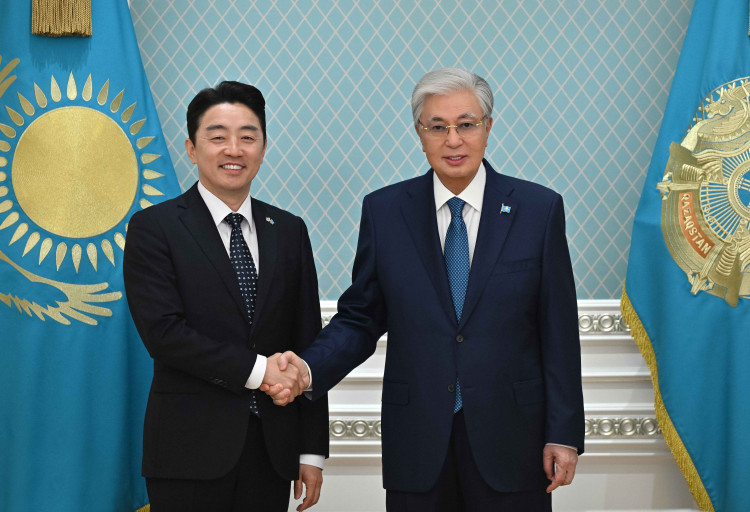
On the first leg of his trip to Kazakhstan, Kang paid a courtesy call on President Kassym-Jomart Tokayev and delivered a letter from Lee expressing Seoul's commitment to strengthening bilateral energy cooperation.
As the key outcome, Kang underlined that Seoul and Astana have "established a new high-level direct communication channel." Tokayev designated Murat Nurtleu, assistant to the president for international investment and trade cooperation, as the official in charge of overseeing strategic economic cooperation with South Korea.
"Going forward, Nurtleu and I will discuss ways to expand cooperation between our two countries not only on crude oil and naphtha supply, but also in a wide range of areas including mineral resources, urban development and plant projects," Kang said.
Oman
In Oman, the Korean delegation led by Kang met Deputy Prime Minister for Economic Affairs Dhi Yazan bin Haitham Al Said, the eldest son of Sultan Haitham bin Tariq and heir apparent to the Omani throne.
"Our side requested the Omani government's special attention and support to ensure that 26 South Korean-flagged vessels ... can safely pass through (the blockaded Strait of Hormuz)," Kang said. "Dhi Yazan expressed his willingness to actively cooperate to ensure the safety of our citizens and vessels."
Oman's key ports are located outside the Strait of Hormuz, leaving them largely unaffected by disruptions in the strait amid simmering tensions between the United States and Iran following the breakdown of peace talks over the weekend.
Saudi Arabia
In Saudi Arabia, the delegation met with Foreign Minister Prince Faisal bin Farhan Al Saud, followed by talks with Energy Minister Prince Abdulaziz bin Salman. The delegation also met with Yasir Al-Rumayyan, chairman of Saudi Aramco and governor of the Public Investment Fund.
"Saudi Arabia pledged to give South Korea top priority in supplying crude oil and naphtha to ensure the country does not face shortages," Kang said.
Kang further explained that the Saudi side confirmed that around 50 million barrels of crude oil — previously allocated to Korean companies but with uncertain delivery schedules amid the Iran war — would be shipped between April and May via alternative ports along the Red Sea.
In addition, Saudi Arabia agreed to prioritize the allocation and shipment of a total of 200 million barrels of crude oil to Korean firms from June through the end of the year.
Kang disclosed that "the Saudi side, through its state-run entities, pledged to supply as much volume as possible through the end of the year, including the 500,000 tons requested" by the South Korean government.
Qatar
Kang also said the delegation arranged an emergency trip to Qatar after learning of the ceasefire upon arriving in Kazakhstan on April 8. Qatar had not originally been included in the itinerary.
The delegation met Qatar's leader, Tamim bin Hamad Al Thani, and delivered a personal letter from Lee. Kang said the delegation conveyed Seoul's hope that once the Strait of Hormuz reopens liquefied natural gas export contracts with South Korea would be carried out on time and without disruption.
"Emir Tamim stressed, 'We will certainly keep our promise with Korea. Korea comes first,' and asked that this message of trust be conveyed to our president," Kang said.
Kang said the Qatari side gave firm assurances that "once the Strait of Hormuz reopens, it will fulfill all LNG shipments scheduled for this year."
However, Cheong Wa Dae said the pledge did not include volumes previously declared under force majeure by QatarEnergy on long-term contracts for LNG supplies in late March. South Korea imports about 6.1 million tons of LNG annually from Qatar.
Kang underscored that his impromptu trip to Qatar, following his visit to the United Arab Emirates in March, led to securing an additional 18 million barrels of crude oil.
"With this visit to Qatar, following the March visit to the UAE, it became a chance to complete a high-level consultation framework with major Gulf countries including Saudi Arabia, Oman and Qatar," Kang said.
dagyumji@heraldcorp.com