Shin Hyun-song warns oil, FX to lift inflation; sees growth falling short of expectations
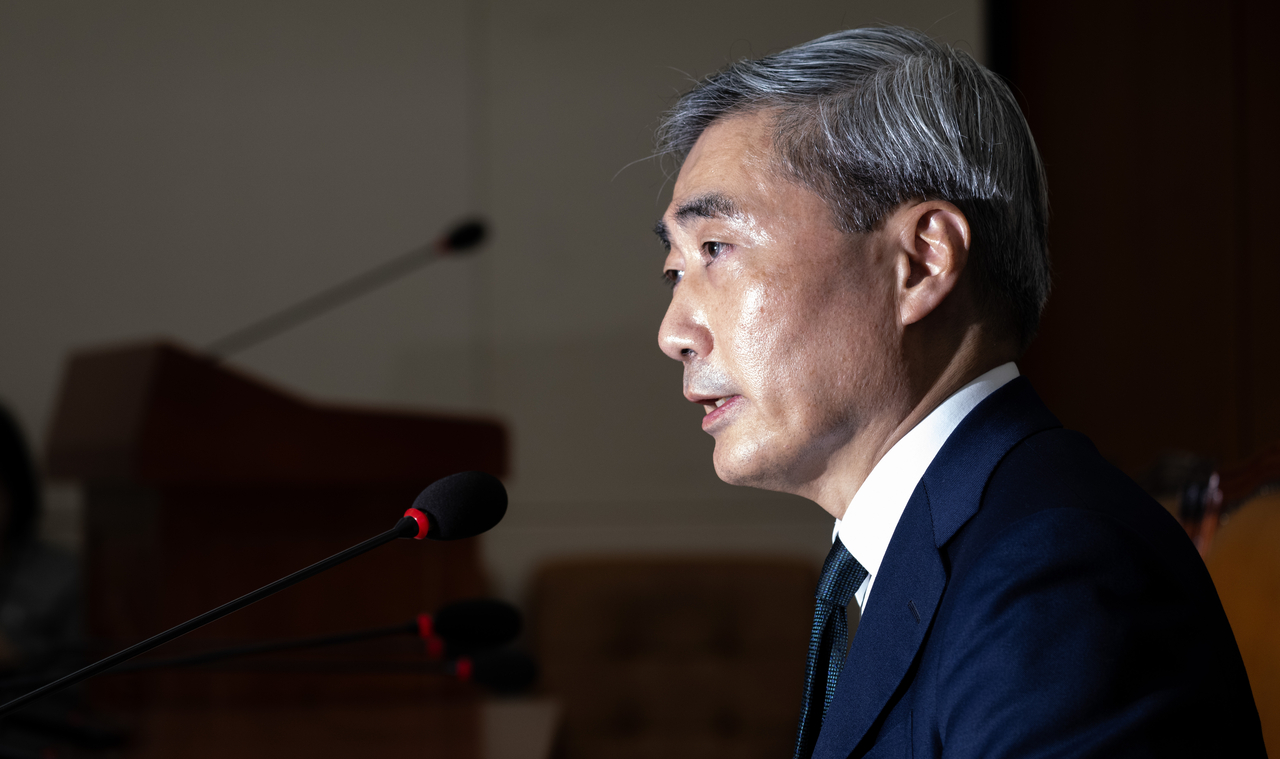
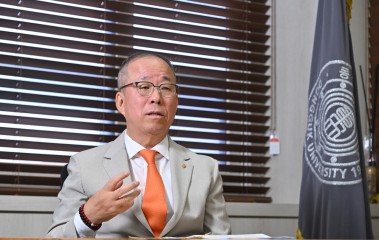
Shin Hyun-song, nominee for governor of the Bank of Korea, warned Wednesday that rising external uncertainty is driving both inflationary pressure and downside risks to growth, signaling that price stability will remain the central bank’s top priority.
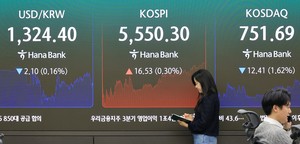
Speaking at a parliamentary confirmation hearing, Shin said higher oil prices and a weaker won are likely to push inflation higher in the coming months.
“The Korean economy faces upward pressure on prices and downward pressure on growth,” he said, adding that while a semiconductor rebound and supplementary budget could cushion the slowdown, growth is likely to fall short of earlier expectations.
Global inflation risks have intensified following the outbreak of conflict in the Middle East. Import prices surged 16.1 percent in March from a month earlier, the steepest rise since the 1998 Asian financial crisis, according to Bank of Korea data.
Shin said the key question is whether inflationary pressures will prove temporary or persistent. “The longer the shock lasts, the greater the inflation risk,” he said, adding that policy tightening may be needed if pressures spread to core inflation or expectations.
On the weakening won, Shin downplayed concerns over its level, saying it is not appropriate to define a “fair” exchange rate and emphasizing the need to monitor directional imbalances. He attributed the recent decline partly to global risk aversion and offshore factors.
Shin, a former chief economist at the Bank for International Settlements and widely regarded as one of Korea’s most globally recognized monetary economists, has built a reputation for his focus on financial stability risks, including excessive leverage and capital flow volatility.
He is also known for helping design Korea’s post-crisis macroprudential framework and has long advocated preemptive policy responses to contain inflation and systemic risks.
Reflecting that stance, Shin described the central bank’s recent rate hold as a “strategic pause,” while stressing that policy decisions would be guided by evolving economic conditions rather than fixed labels such as “hawk” or “dove.”
He also pointed to structural risks, including high household debt — about 89 percent of gross domestic product — and pledged to complement monetary policy with macroprudential measures.
Shin said he would promote the internationalization of the won, including expanding foreign exchange trading hours to 24 hours and developing offshore settlement systems, while also advancing a digital currency ecosystem.
Lawmakers raised concerns over prolonged won weakness, foreign exchange reserves and potential conflicts of interest tied to Shin’s overseas assets.
Shin said he had converted a significant portion of his foreign currency holdings into won-denominated assets and pledged to address concerns, denying any intent of personal gain.
Shin is expected to begin his four-year term next month following parliamentary approval.
ch0221@heraldcorp.com