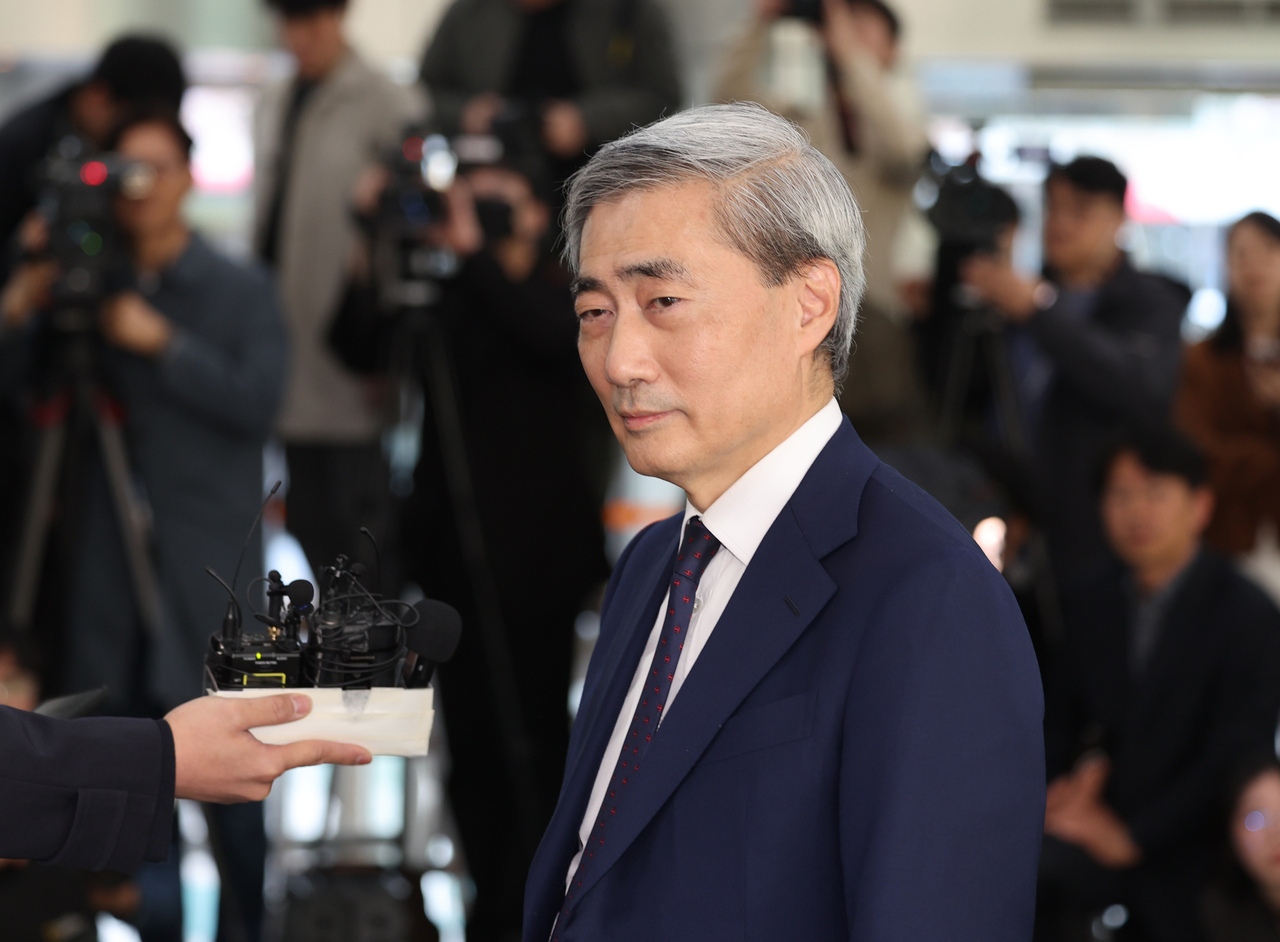
South Korea’s central bank chief nominee Shin Hyun-song on Tuesday downplayed concerns over a more hawkish monetary stance, stressing the need for flexibility in responding to economic conditions rather than adhering to rigid policy labels.
Speaking to reporters as he arrived at Hanwha Financial Plaza in central Seoul ahead of his parliamentary confirmation hearing, Shin rejected characterizations of himself as a “pragmatic hawk,” a label that has fueled speculation that the Bank of Korea could accelerate interest rate hikes.
“I don’t think it is desirable to divide policy approaches into binary categories such as hawkish or dovish,” Shin said. “What matters is to fully understand the interaction between the financial system and the real economy, and respond flexibly depending on the situation.”
His remarks come amid market expectations that Korea’s monetary policy could turn more restrictive following his nomination.
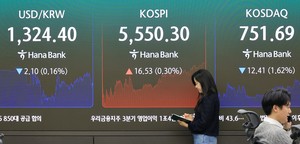
On the Korean won’s recent weakness, with the dollar-won exchange rate surpassing the 1,520 level, Shin said there was no need for excessive concern, emphasizing that the exchange rate should be viewed as a broader indicator of financial system resilience rather than a target in itself.
“We should not attach too much meaning to the level itself,” he said. “The exchange rate reflects how much risk the current financial system can absorb.”
Shin noted that external vulnerabilities have improved in recent years, citing stronger foreign capital inflows and the growing use of foreign exchange swaps, which have helped ensure sufficient dollar liquidity in the domestic market.
“While a higher exchange rate often raises concerns about capital outflows or dollar shortages, there have been meaningful improvements,” he said, adding that external risks appear manageable under current conditions.
Looking ahead, Shin identified geopolitical tensions in the Middle East as the biggest risk facing the Korean economy, pointing to rising oil prices as a key factor driving inflation and downside risks to growth.
“Inflation has been affected by higher oil prices, and the economy is also facing downside risks,” he said. “However, the course and duration of the conflict remain highly uncertain.”
On the potential inflationary impact of a supplementary budget aimed at addressing economic fallout from the conflict, Shin said the effect on prices would likely be limited.
“Given the difficulties faced by vulnerable sectors due to the Middle East situation, policy support is necessary,” he said. “Based on the scale and design of the supplementary budget announced so far, the impact on inflationary pressure appears limited.”
Shin’s comments suggest a policy approach centered on balancing inflation risks with economic stability, while maintaining flexibility in the face of evolving global uncertainties.
silverstar@heraldcorp.com