Clear, mild weather with poor air quality to persist through the weekend
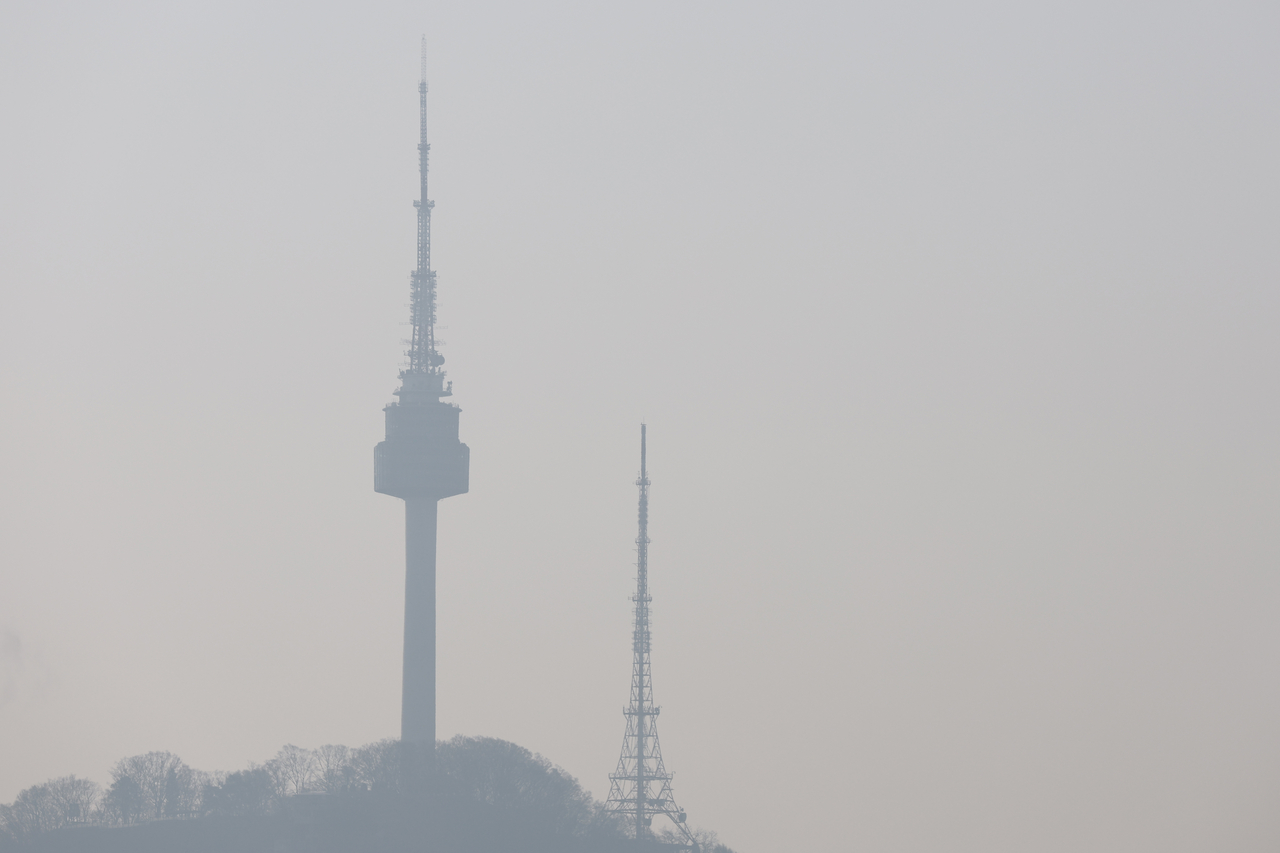
Temperatures climb to nearly 20 degrees Celsius during the daytime in many parts of South Korea, but fine dust and lingering haze continue to dampen outdoor conditions.
According to weather authorities, concentrations of airborne dust particles are expected to remain at unhealthy levels in Seoul and most regions through the weekend, with parts of Gangwon’s east coast and Jeju showing relatively better air quality.
As of 10 a.m. Thursday, Seoul’s average PM2.5 concentrations — ultrafine dust particles 2.5 micrometers or smaller, about one-thirtieth the thickness of a human hair — was measured at 44 micrograms per cubic meter. Under the country’s four-tier system, PM 2.5 levels above 35 micrograms per cubic meter are classified as "bad," while levels above 75 are classified as "very bad."
In Seoul, ultrafine dust levels have been particularly persistent, with poor air quality recorded roughly every other day this month. For 14 days this March, at least one of the capital’s 25 districts recorded air quality in the “bad” category or worse.
Meteorologists attribute the poor air quality to atmospheric stagnation under a high-pressure system that settles over South Korea in spring. They forecast that current conditions — dry, mild weather coupled with poor air quality — will persist through the weekend, before rain arrives early next week.
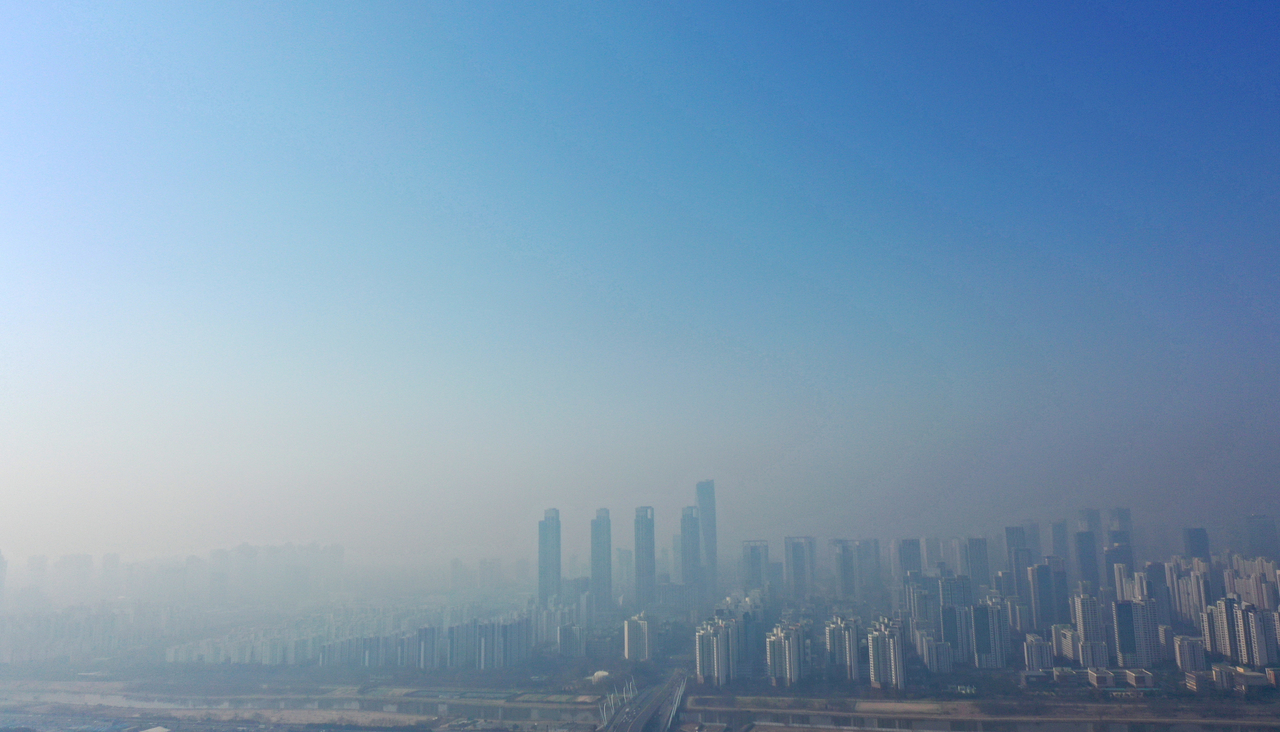
When to limit outdoor activity
Fine dust concentrations tend to peak between 10 a.m. and noon, often considered the most hazardous window for outdoor exposure, as rising temperatures lift pollutants into the air and increase the likelihood of inhalation.
Health experts warn that exposure may increase the risk of respiratory and cardiovascular conditions, particularly among children, the elderly and those with preexisting conditions.
Authorities forecast that stagnant atmospheric conditions — including limited rainfall — will persist through the end of the month, allowing pollutants to accumulate, with additional inflows of yellow dust from overseas remaining a possibility.
tammy@heraldcorp.com