Holding doctors liable for high-risk treatments could lead to 'defensive' practice, physicians say
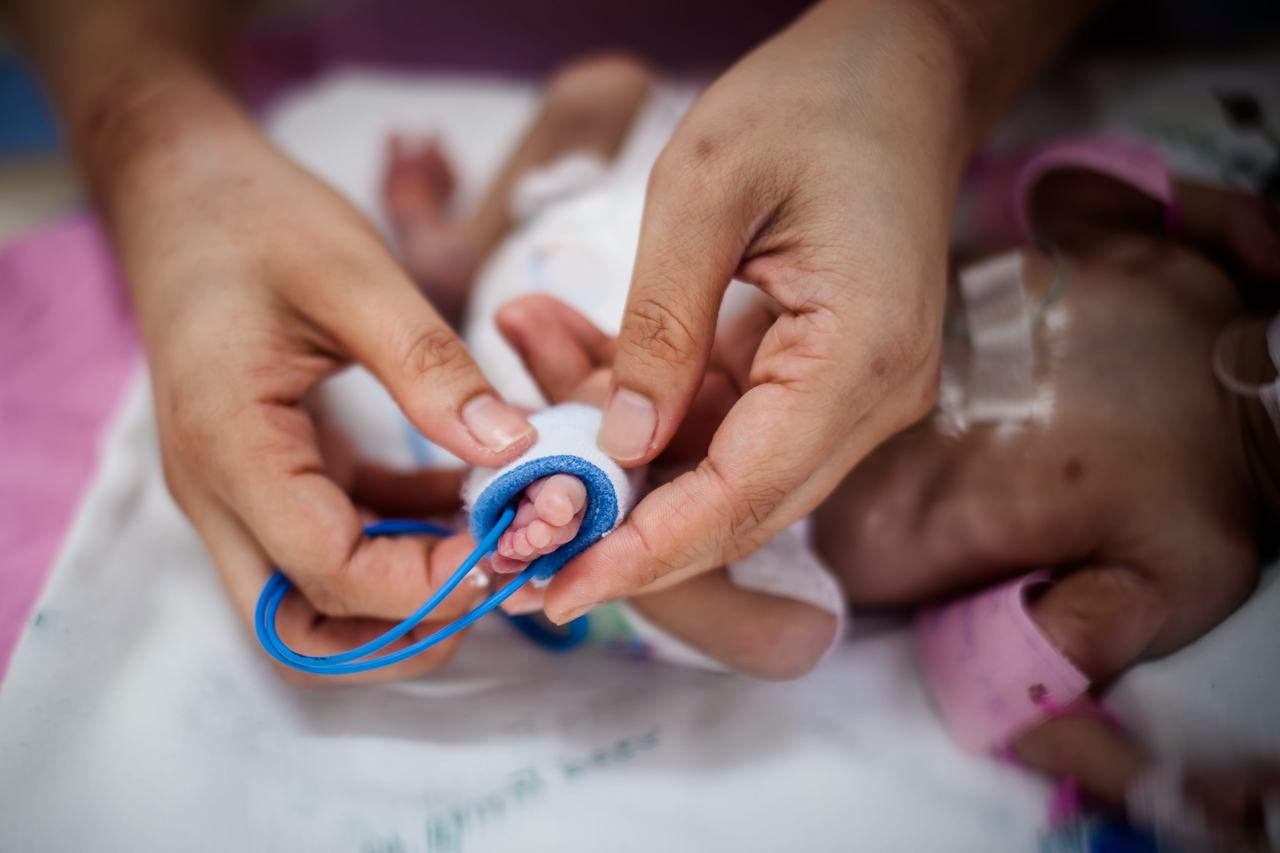
A court ruling holding a hospital responsible for the brain damage of a premature infant has reignited long-standing debate over legal protections for doctors in essential medical fields.
It was reported last week that a civil court ordered a Seoul-based hospital to pay 315 million won ($209,000) in damages, citing delayed surgical treatment.
The ruling has renewed attention on lawmakers’ ongoing efforts to introduce institutional safeguards aimed at reducing doctors' legal liabilities. However, both doctors and patient groups argue that the proposed measures fall short, calling for broader government-backed compensation systems.
The Seoul Southern District Court delivered the ruling in February, partially accepting the plaintiff’s claim of 916 million won. The plaintiffs were the parents of a premature baby born at just over 26 weeks of pregnancy, weighing 900 grams.
The infant required surgery to close a blood vessel in the heart that normally closes within 12 hours of birth, although it can take longer. Medical staff performed the procedure days after the diagnostic criteria were met, which the court determined contributed to a brain hemorrhage and subsequent permanent brain damage suffered by the baby.
Doctors argue the ruling overlooks the inherent risks in treating extremely low birth-weight infants. They say delaying surgery to allow the baby to grow is often a necessary clinical judgment to improve safety.
“Such rulings could discourage doctors from taking on high-risk patients or lead to defensive medical practices,” said Choi Anna, head of Gangneung Medical Center in Gangwon Province at her social media post.
She added that many doctors have already left essential fields, warning that further legal pressure could accelerate the shift toward less risky, higher-paying specialties such as cosmetic medicine.
Pediatrics, widely regarded as a core medical field, has been in rapid decline in Korea. While demographic changes have contributed, many point to the legal fallout from the 2017 deaths of four infants in the neonatal intensive care unit at Ewha Womans University Mokdong Hospital as a critical point.
The four medical staff members indicted in the case were ultimately acquitted by the Supreme Court in 2022, as the court found no clear causal link between the infants’ deaths and the medical staff’s actions.
But the case had a lasting impact on the field. The residency application rate for pediatrics fell sharply from 1.12 applications per opening in 2017 to 0.25 per opening in 2023.
The shortage is even more apparent in pediatric cardiac care. According to the Korean Pediatric Heart Society, only about 15 surgeons nationwide were capable of performing pediatric heart surgery as of last year.
In response, lawmakers from both ruling and opposition parties are advancing legislation aimed at reducing legal risks in essential care sectors such as severe cases, pediatrics and emergency medicine. The bill seeks to limit criminal liability under certain conditions, including the absence of gross negligence.
It also proposes establishing a special committee to determine whether a case involves significant negligence or falls within high-risk essential care before it is referred to court.
The bill was passed by a parliamentary committee earlier this month, but it has drawn criticism from some patient groups, who argue it could weaken efforts to ensure patient safety.
At the same time, doctors and some patient advocates say the proposal does not go far enough. They note that the standard of “gross negligence” remains unclear and could still expose medical personnel to prolonged legal disputes.
“The definition of gross negligence should be based on whether a similarly trained and experienced professional would have made the same decision,” said Eo Eun-kyung, an emergency medicine professor at Soonchunhyang University Hospital.
“Medical procedures inevitably involve human judgment, and mistakes can occur,” said Kang Hee-gyung, a pediatrics professor at Seoul National University. “We need to consider whether punishing medical staff for such outcomes and driving them out of the field helps sustain the health care system.”
Some are calling for stronger government involvement in paying compensation in high-risk medical cases, as recurring high-value malpractice lawsuits raise concerns over prolonged legal disputes and defensive medical practices.
The Korea Severe Diseases Association has proposed a state-led compensation system, under which the government would provide a no-fault scheme offering upfront medical and living expenses while retaining the right to seek recourse later.
“What patients truly need is not prolonged legal battles, but a sincere apology and prompt compensation,” the association said.
“If adequate explanation and compensation are provided in cases without intentional or gross negligence, exempting medical staff from criminal punishment helps patients focus on treatment rather than litigation.”
forestjs@heraldcorp.com