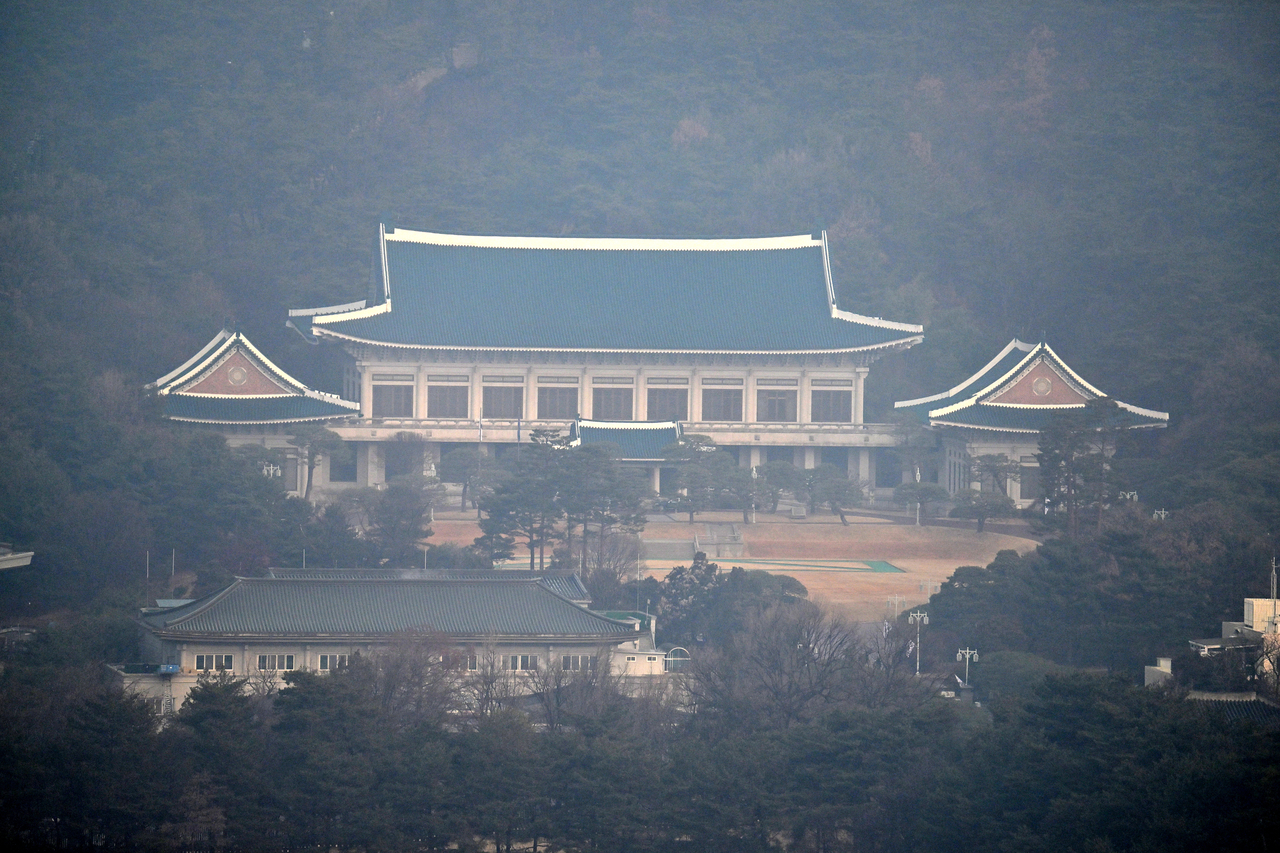
South Korea is weighing additional measures to stabilize naphtha supplies, on top of planned export controls, as the Middle East crisis disrupts shipments of the key petrochemical feedstock.
"The government plans to implement export control measures to minimize overseas outflows of naphtha and is considering additional steps needed to stabilize the industrial supply chain,” a presidential official said on condition of anonymity.
Deputy Prime Minister and Finance Minister Koo Yoon-cheol said Wednesday that the government would “take proactive measures, such as securing alternative import sources and imposing export restrictions,” amid growing fears of a naphtha shortage.
“The government is closely communicating with industry to respond to naphtha supply disruptions stemming from the Middle East situation and is supporting efforts to secure alternative imports,” the presidential official added.
The move comes as South Korea’s petrochemical sector faces mounting pressure from supply bottlenecks tied to the Strait of Hormuz, a critical route through which more than half of the country’s naphtha imports pass.
Industry officials say inventories have dwindled to roughly two weeks, raising the prospect of a cascading halt in operations at naphtha cracking centers as early as next month if the disruption persists. Imports of Middle Eastern crude are unlikely to resume for the time being after a very large crude carrier scheduled to arrive at Yeosu Port in South Jeolla Province on March 24.
Both crude oil and naphtha from the Middle East are typically shipped to South Korea by sea, a journey that takes about 20 days. With shipments that departed just before the US strike on Iran on Feb. 28 now arriving, further supply is unlikely to follow.
Naphtha is a key feedstock used to produce ethylene, a building block for products ranging from automobiles and electronics to textiles and plastics. A prolonged supply shock could ripple across manufacturing supply chains, amplifying economic fallout beyond the petrochemical sector.
Separately, the presidential office downplayed risks to the liquefied natural gas supply after Qatar signaled it could invoke force majeure on long-term contracts following an attack on key facilities.
“Qatari LNG accounts for about 14 percent of our imports, and alternative suppliers are available, so there is no immediate concern over gas supply,” the unnamed Cheong Wa Dae official said. "However, as uncertainty has increased, we plan to closely monitor supply and demand and prices, and respond accordingly.”
QatarEnergy Chief Executive Saad al-Kaabi told Reuters on Thursday that the state-run company could be forced to invoke force majeure on long-term LNG supply contracts with countries including South Korea for up to five years.
The CEO said Iranian attacks had taken out 17 percent of Qatar’s LNG export capacity, resulting in an estimated $20 billion in annual revenue losses and putting supplies to Europe and Asia at risk.
In response to the escalating risks, Seoul has raised its resource-security alert for crude oil from “attention” to “caution” as of 3 p.m. Wednesday.
dagyumji@heraldcorp.com