Korea's poultry leader looks beyond chicken to expand into global food market
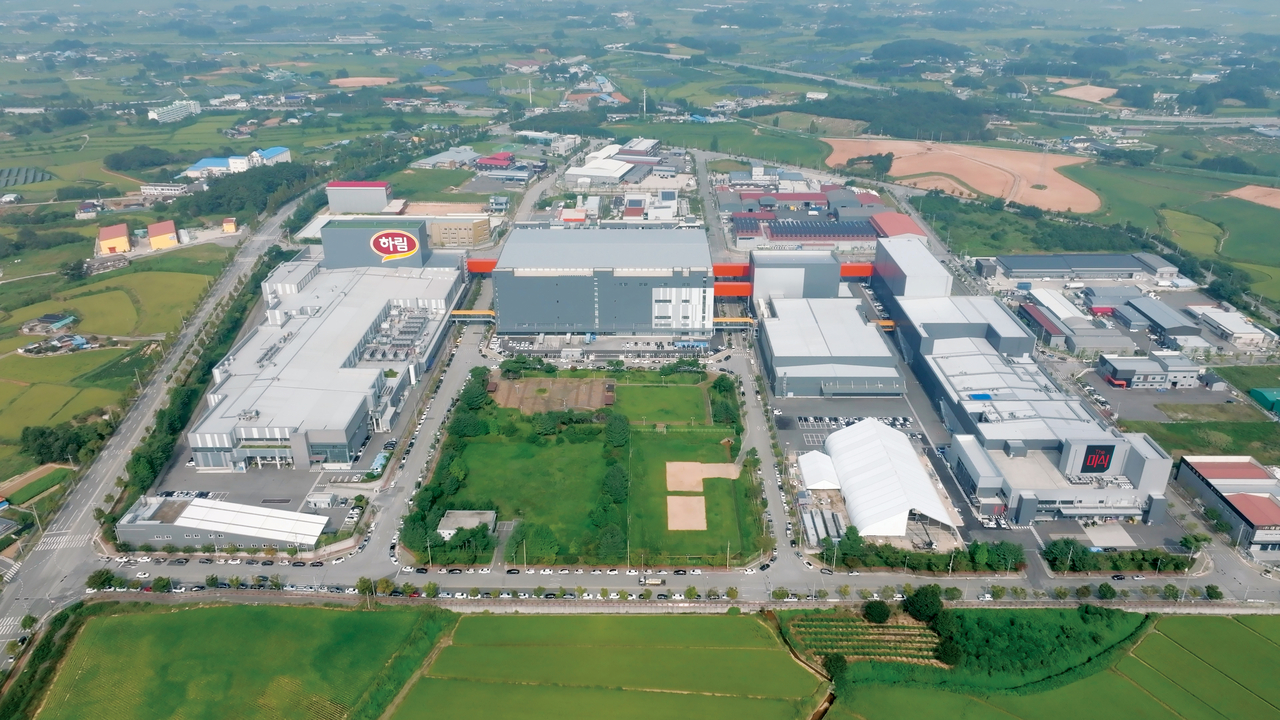
IKSAN, South Jeolla Province — Harim Group, Korea’s 30th-largest conglomerate by assets, is best known for its leading poultry processing and distribution business. Now positioning itself as a global food and agribusiness company, the group is expanding its reach with a focus on premium ready-to-eat meals.
The Korea Herald toured Harim's First Kitchen, a 520 billion won ($347 million) advanced food manufacturing complex in Iksan, on Friday.
Operated by Harim Industrial, the facility comprises four main buildings: K1, the central kitchen producing home-style ready-to-eat meals, side dishes, frozen foods and seasonings; K2, the rice kitchen for microwavable rice; K3, the ramyeon kitchen for instant noodles; and a logistics system known as Fulfillment By Harim, or FBH.
Guided by the principle, “Only the freshest ingredients in, only the best flavors out,” the tour began at the K3 building, where the company highlighted its approach to instant noodles.
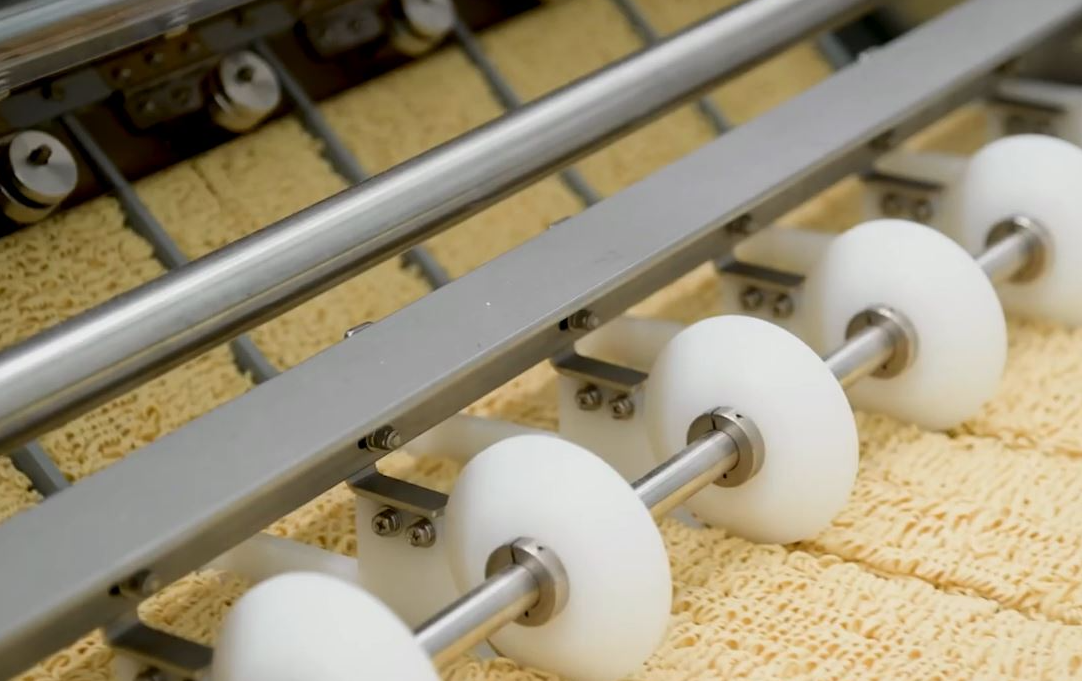
An official introduced Harim’s Z-nozzle drying system, designed to enhance texture. Unlike conventional non-frying methods that apply heat from above, the system blasts hot air from both the top and bottom, enabling more uniform drying.
“Some companies followed after we entered the non-frying segment,” the official said. “But the Z-nozzle system gives our noodles a distinct texture.”
He added that The Mishik — Harim’s premium home meal replacement brand — is built around delivering superior taste.
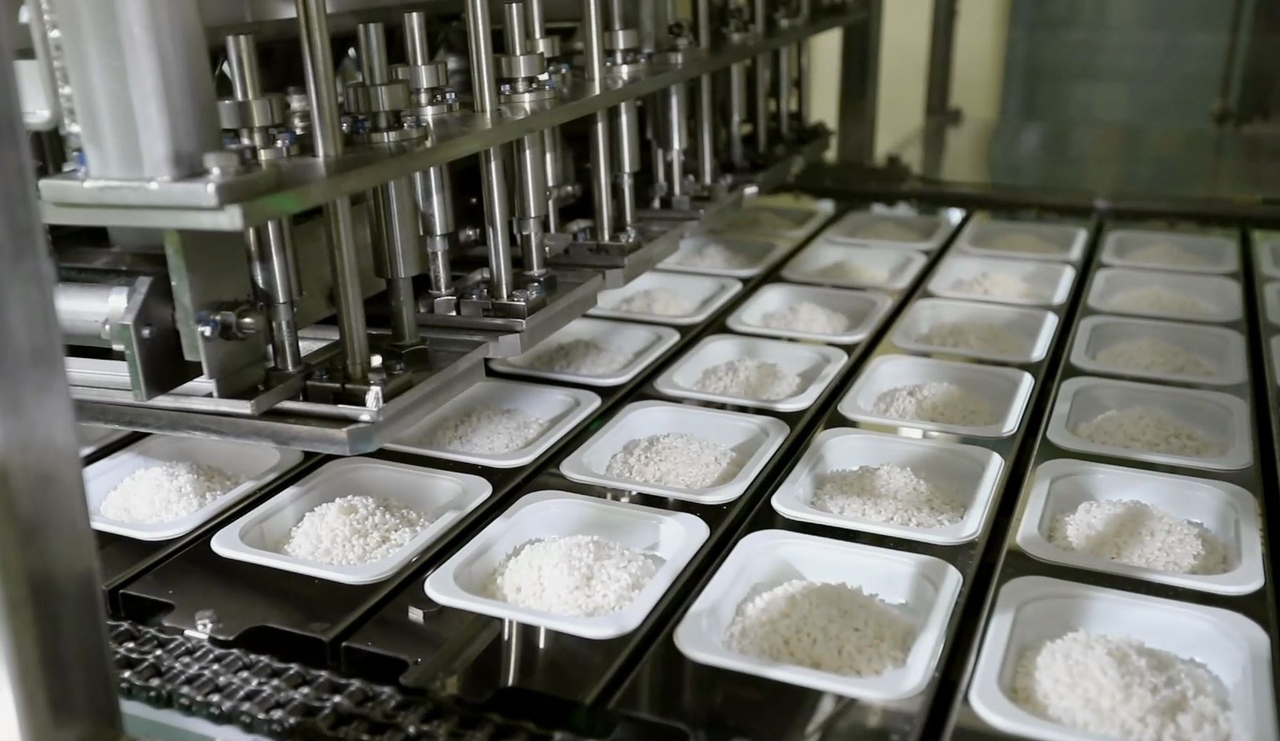
In the K2 rice kitchen, a clean room environment minimizes dust particles to ensure quality. Harim’s microwavable rice products use only rice and water, without preservatives or acidity regulators, yet maintain a shelf life of about 10 months.
“When you cook rice at home, you don’t add anything else,” the official said. “We aim to replicate that.”
The K1 building, which produces HMRs, frozen foods and seasonings, features large containers simmering broth from beef bones, chicken and vegetables. Nearby, onions, meats and vegetables are mixed for dumpling fillings.
Harim has launched about 110 products under The Mishik brand, including dumplings, fried rice, corn dogs, soups and side dishes.
Acknowledging that deeper, more complex flavors come at a higher cost, the company said its priority remains delivering a home-cooked experience using fresh ingredients.
Harim Industrial recorded 109.3 billion won in revenue last year, up 36 percent on-year, while posting an operating loss of 146.6 billion won, widening from the previous year. Despite continued losses, Harim remains committed to its goal of building The Mishik into a 1.5 trillion won brand, first outlined at its launch in October 2021.
hwkan@heraldcorp.com