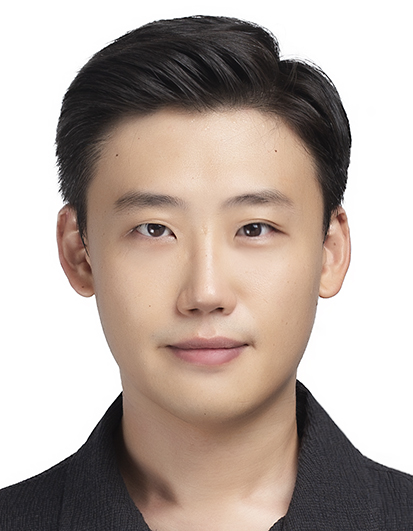
National Assembly Speaker Rep. Woo Won-shik said Tuesday that the rival parties should work to launch a special parliamentary committee for constitutional amendment by next week and propose the draft by April 7.
Woo's proposal would be a prerequisite for South Korea to hold a referendum simultaneously with the June 3 local election. The last amendment came into being in South Korea in 1987, alongside South Korea's democratization.
Woo stressed in the press conference that legal hurdles to hold a referendum were removed with the revision to the Referendum Act in early March. The five-term lawmaker also claimed the public's calls for amendment remain persistent, with the repercussions of former President Yoon Suk Yeol's 2024 martial law still dragging on South Korean society.
The revision to the Referendum Act in March removed restrictions on overseas Koreans' voting rights based on whether they maintain a domestic address in South Korea, in line with a ruling that found such restrictions unconstitutional in 2014.
"If we miss this opportunity, no one can guarantee when such an opportunity will repeat," said Woo, whose term is to end in May.
Woo also said it is time for the rival parties to show their resolve to form a special committee and begin talks for the constitutional amendment.
Failure to do so would mean the politicians were shirking their responsibilities to heal the wounds from the 2024 martial law crisis, through which Yoon had sought to take control of the National Assembly through the use of military force, Woo added.
The ruling Democratic Party of Korea controls a clear majority of the National Assembly, but the seats fall short of a two-thirds threshold in the 300-member National Assembly, meaning bipartisan consensus is required for the parliamentary chamber to pass the amendment before holding a referendum.
Woo also stressed that the referendum in June would be the start of a phased approach to amending the Constitution, rather than doing so all at once.
"Some may argue that we should discuss a wider range of issues, given that we are headed for the first constitutional amendment in 39 years. However, this time, we had better focus on what we are capable of."
Given the circumstances, the bipartisan special committee shall focus on issues that are least controversial, Woo said.
He suggested that the new draft for the amendment uphold the spirit of the 1980 Gwangju Uprising and promote an end to unipolar national growth with the nation's resources concentrated in Greater Seoul.
The draft should additionally grant the National Assembly the power to approve or reject martial law imposed by an administration.
Amending the Constitution was one of the top priorities for the liberal Lee Jae Myung administration, as suggested by the State Affairs Planning Committee in August last year. Before his inauguration in June last year, Lee hinted at support for South Korean presidents serving up to two four-year terms instead of the current single five-year term.
Later on Tuesday, Presidential Committee of National Cohesion chief Lee Seok-yeon opposed Woo's phased approach to the amendment. He called instead for a 2028 referendum and a more comprehensive amendment that would entail easing the presidential term limit in South Korea.
consnow@heraldcorp.com