Liberal administration vows to improve quality, transparency through strengthened oversight over ODA
The Lee Jae Myung administration on Thursday confirmed a more than 16 percent cut in South Korea’s official development assistance for this year, marking a pullback after years of rapid expansion.
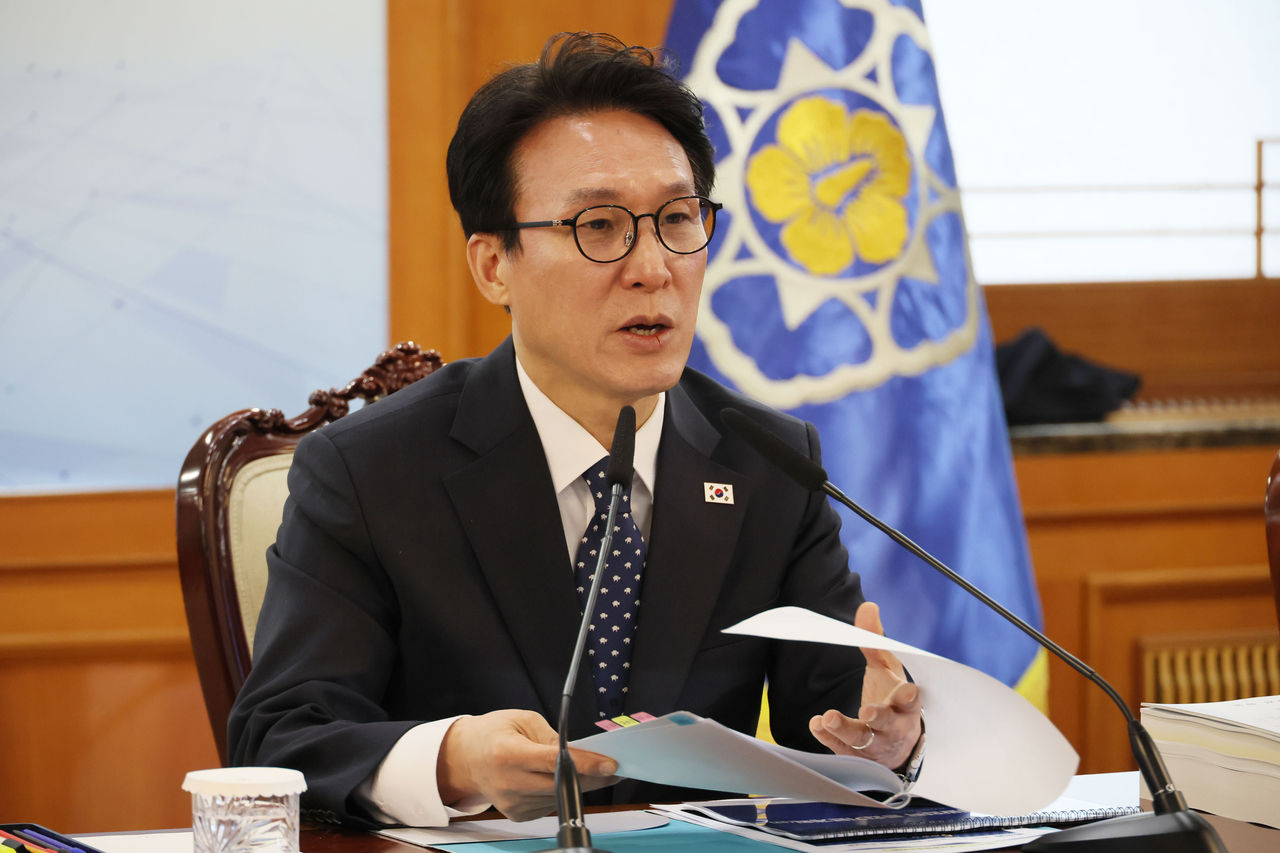
Prime Minister Kim Min-seok said the reduction reflects the government’s push to improve the quality and transparency of foreign aid, criticizing the previous Yoon Suk Yeol administration for expanding ODA at the expense of project quality.
“The government has been considering fundamental reforms to the existing ODA framework,” Kim said Thursday after convening a meeting to finalize the annual ODA plan. “There are growing domestic calls to strengthen the qualitative substance of ODA in line with its scale.”
Kim underscored the administration's aim to "drive innovation through greater selectivity and focus, improved performance, and the adoption of new implementation methods and sectors.”
Under the government’s 2026 ODA annual implementation plan, approved the same day, the total aid volume, number of projects and participating agencies will all decline from 2025 levels, marking a reversal from the expansionary phase under the previous administration.
In 2026, a total of 37 organizations will take part in 1,763 projects with a combined volume of 5.43 trillion won ($3.8 billion), down from the previous year when 41 organizations provided a total of 6.5 trillion won of development aid through 1,928 projects.
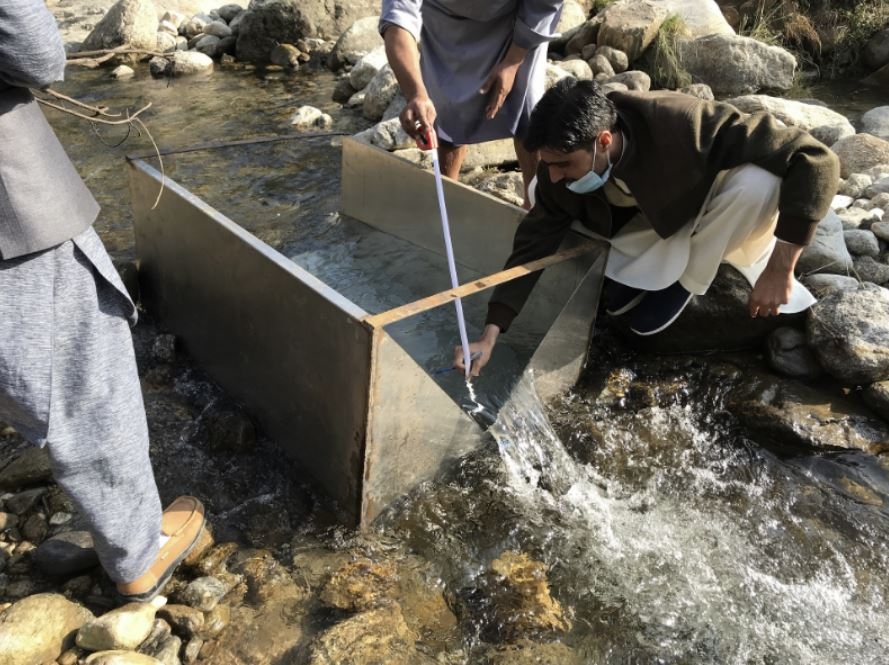
Nearly 30 percent of the confirmed development assistance will go to transportation, up nearly twofold from the previous year's proportion. On the other hand, humanitarian assistance will stand at 9.5 percent, down by over 40 percent from the previous year.
By destination, Asia will receive 30.4 percent of 2026 foreign development aid, down by 3 percentage points from 2025. Instead, development aid going to Africa will increase to 24 percent this year, up 5.5 percentage points from a year prior.
According to the government, the cut in development assistance will come with a major shift in its evaluation criteria: assessing the output of development aid instead of the input. A set of 34 performance indicators was laid out Thursday for assessing future ODA projects.
The new five-year Basic Strategy for International Development Cooperation for 2026-30, approved the same day, also indicated plans to carry out project restructuring in 2027 based on the performance assessment.
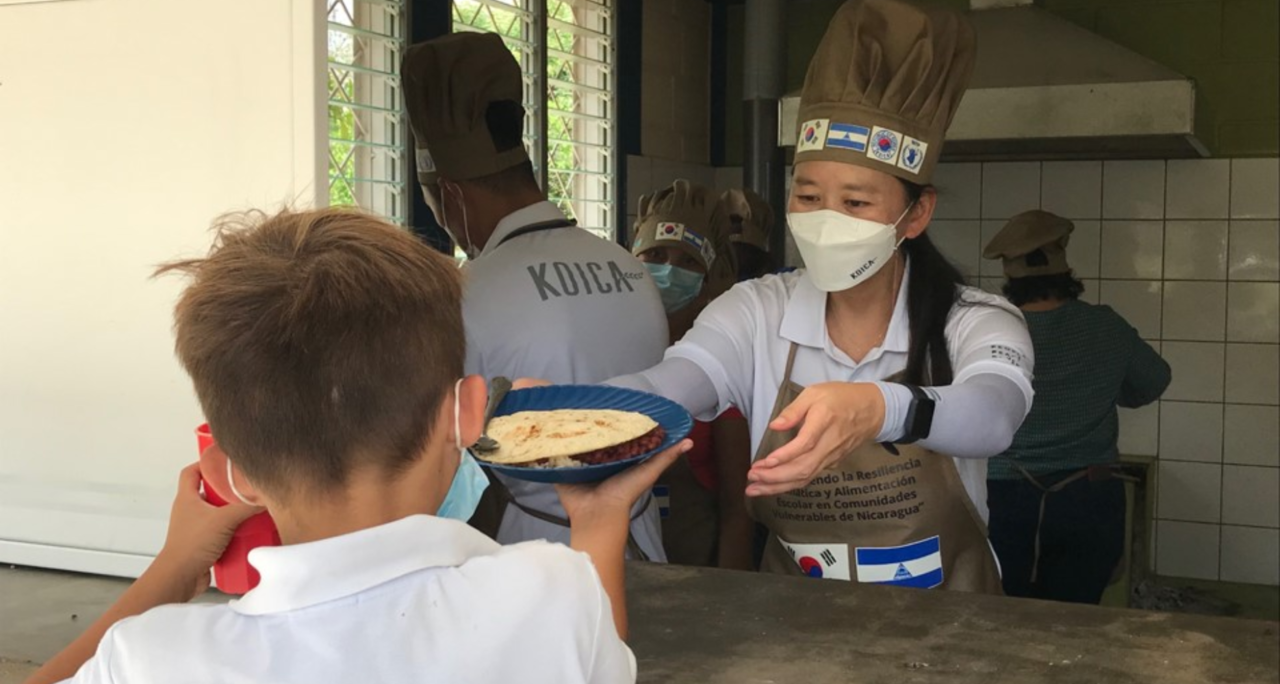
Under the Yoon administration, South Korea achieved the goal of doubling development aid from the 2019 level, which was touted as a move to champion mutual development and serve as a responsible global actor. South Korea is the first country that was once a recipient but became a donor on the back of rapid economic growth.
The volume of development aid surged 75 percent from 2021 to 2025, especially during Yoon's tenure from May 2022 to April 2025. The surge drew criticism regarding how the spending was accounted for after delivery.
The liberal Democratic Party has speculated that the spike in annual aid to specific countries like Cambodia — which surged 143 percent from 2022 to 2025 — could be associated with a development project in Cambodia pursued by the Unification Church, a religious sect allegedly tied to an influence-peddling scandal when Yoon was in power.
Speaking at the meeting, Kim said the tightened oversight would "lead to a sustainable development cooperation (with recipient countries) based on public trust and support."
consnow@heraldcorp.com