At first glance, the 2025 Choreo Awards might resemble any other industry ceremony: a red carpet, reception, acceptance speeches and polished performances. Inside the venue, however, it became clear that the event was about more than trophies. It marked a long-overdue moment of recognition for the dancers and choreographers who have shaped K-pop and K-culture as profoundly as the idols on stage.
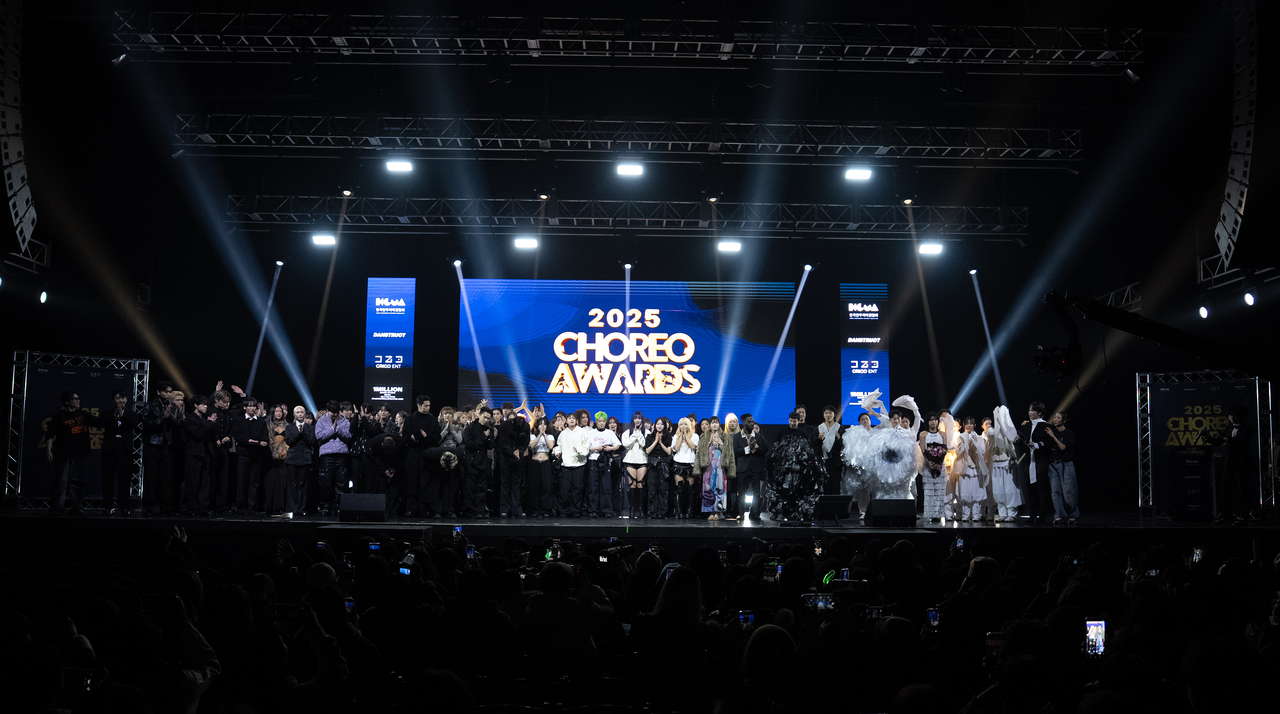
The second Choreo Awards were held Saturday in Seoul, hosted by the Korea Choreography Copyright Association and organized by Grigo Entertainment, Danstruct and 1Million Dance Studio. Under the theme, “Beyond the Borders of Dance,” the awards reflected the idea that as K-pop has spread internationally, K-dance has grown alongside it — evolving into a shared language that transcends borders, languages and cultures.
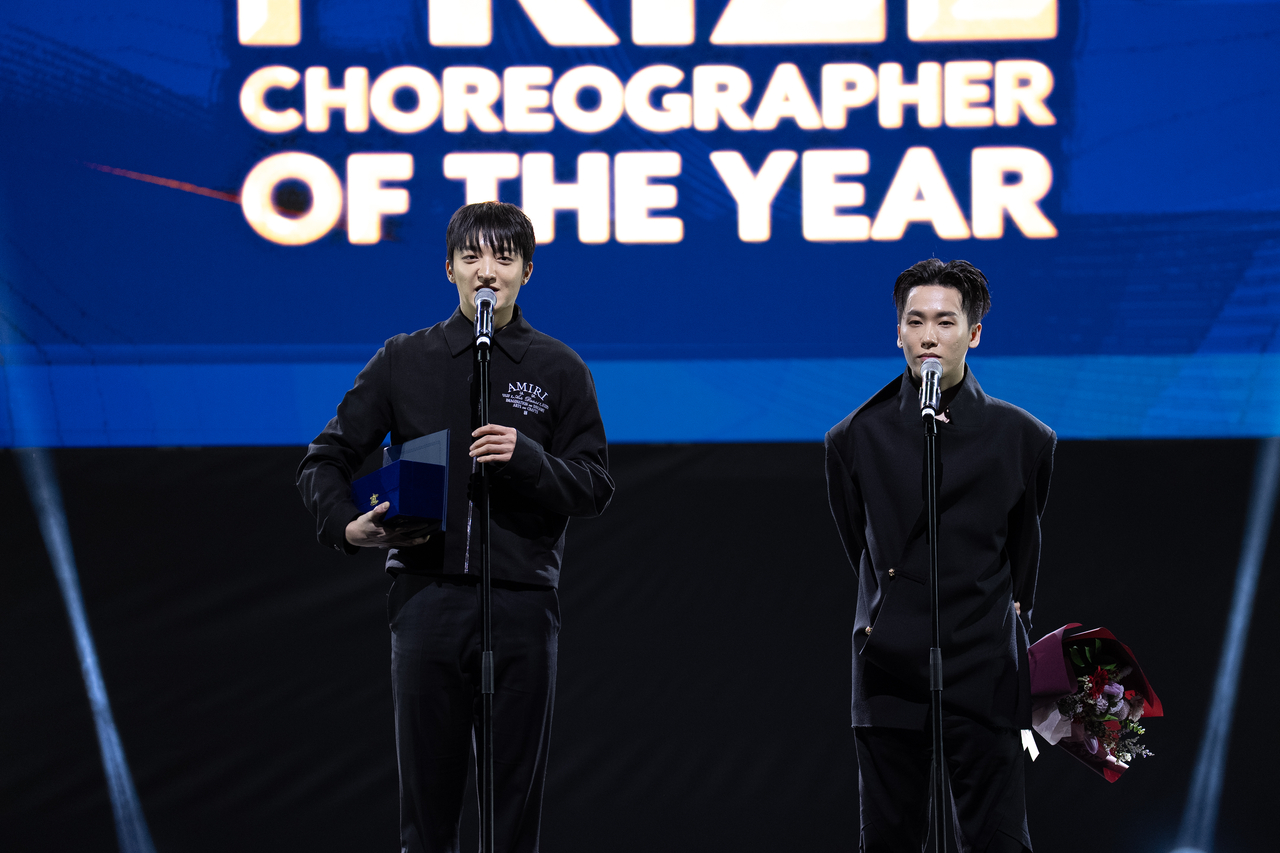
The ceremony honored creators and works that left a strong impression on Korea’s popular culture over the past year. The grand prize was awarded to We Dem Boyz, a hip-hop-rooted choreography team that has become a major creative force in K-pop performance. Their work on Blackpink Jennie's “Like Jennie” also received best K-pop choreography of the year, recognizing both choreography and performance direction.
Other major awards included dance star of the year, presented to Japanese dancer Kyoka; best male dancer to Jin of Funk in the Heart; and best female dancer to Locker Zee of Non-Stop. Studio Choom, a YouTube channel launched by Mnet Digital Studio in 2019, received the Dance Impact Award for its role in amplifying choreography-centered content and introducing dance-focused performances to global audiences.
Filling a long-standing gap
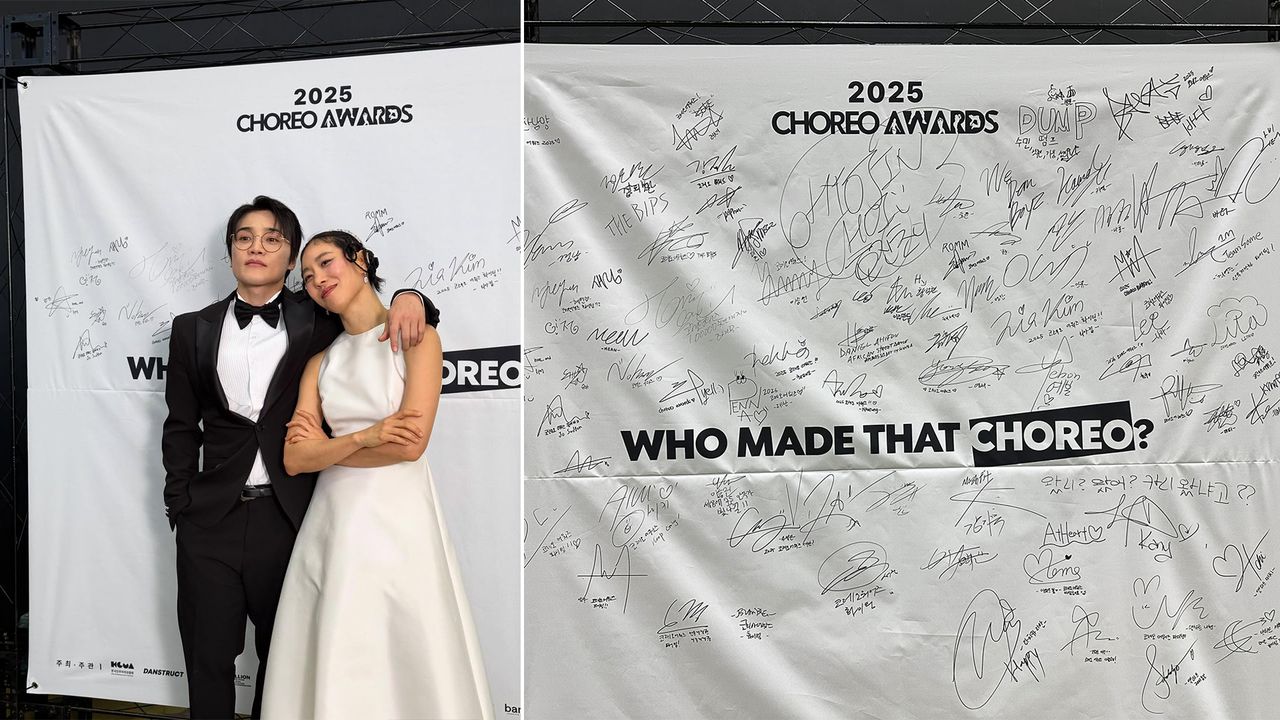
For Lia Kim, founder of 1Million Dance Studio and chair of the Korea Choreography Copyright Association, the absence of such recognition had long stood out.
“Before this, there was nothing like this at all,” Kim told The Korea Herald. “There are film awards and many ceremonies across different content and art fields, but dance was missing. So I felt we absolutely had to create this.”
She noted that public awareness of choreographers in Korea is a relatively recent development, accelerated by televised dance programs such as "Street Woman Fighter."
"Before that, even when people watched choreography on TV, they might not have known that choreographers existed at all,” she said.
As visibility grew, so did interest. “Fandoms are forming, and because of that, we’re now able to hold events like this,” Lia added. “That in itself feels like a great honor.”
For international dancers, the ceremony highlighted how Korea has become a rare space where dancers are publicly recognized by name. Vanessa Dai, an Australian dancer and choreographer from AG Squad who first came to Korea through "World of Street Woman Fighter," said the contrast was immediately apparent.
"I think in the Western world, it's more so based off of the artist. All that we do is for the artist, whereas here you can dance for an artist, but you also create more of a name for yourself," she said.
That recognition was echoed by French choreographer and dancer Kany Diabate Ahn, whose career spans from choreographing for Beyonce to working with multiple K-pop acts. At the Choreo Awards, she was honored with Dance Challenge of the Year for her viral “Smooth Smooth” challenge.
"To be honest, choreographers and dancers, and still now in the US also, we don't really get credits that much,” she said. “In France, we don’t have an award for choreographers. And to be honest, also, even in USA, there is not a lot of ceremony as huge as the Choreo Awards."
She added that she hoped Korea could pave the way for choreographers to see more global recognition, and for other countries to follow Korea's lead.
For younger Korean dancers, the awards also carried symbolic meaning. Harimu, leader of the dance crew Amazon, described the event as emotionally significant.
“As someone who has long dreamed of and respected the profession of being a dancer, the fact that a space like this has been created is incredibly moving,” she said. “It’s not about competing — it’s about acknowledging the hard work everyone has put in.”
She noted how perceptions of dance as a career have shifted. “When I was younger, wanting to become a dancer wasn’t always seen positively,” she said. “But now, as people see the ability being directly recognized and see that doing what you love looks admirable, dancers are receiving a lot more love and support, which makes me very happy."

Protecting K-pop choreography
At the institutional level, the Korea Choreography Copyright Association is preparing to become a trust management organization — an effort closely tied to the spirit behind the Choreo Awards. While recognition is the most visible outcome of the ceremony, the broader aim is to address long-standing gaps in how choreography has been credited and valued within the industry.
The initiative comes with challenges. Dance, particularly outside commercial settings, has long evolved through sharing and reinterpretation, raising concerns that formal copyright could limit choreography’s natural spread — or even misattribute work when origins are difficult to trace.
Song Joo-won, a secretary at the association, said this is precisely why the effort is starting with K-pop choreography. “K-pop provides a structure where choreography is created for a specific work, at a specific time, by identifiable creators,” he said, noting that such conditions make documentation and attribution more realistic.
According to Song, more than 300 choreographers are already registered with the association, including creators with extensive bodies of work. “In the case of Choi Young-jun, for example, he has created more than 700 to 800 choreographies,” Song said. “Once those works are fully registered and the database is established, that will serve as the foundation for us to move toward trust management status.”
Choi Young-jun, a veteran K-pop choreographer and leader of Team Same, is widely known to the public through his work as a choreography trainer on Mnet’s “Produce 101” series and as a director at 1Million Dance Studio.
By anchoring those discussions within an awards platform, the Choreo Awards aim to strike that balance — celebrating choreography as something meant to circulate and inspire, while ensuring that the people behind it are seen, credited and respected.
A shared finale
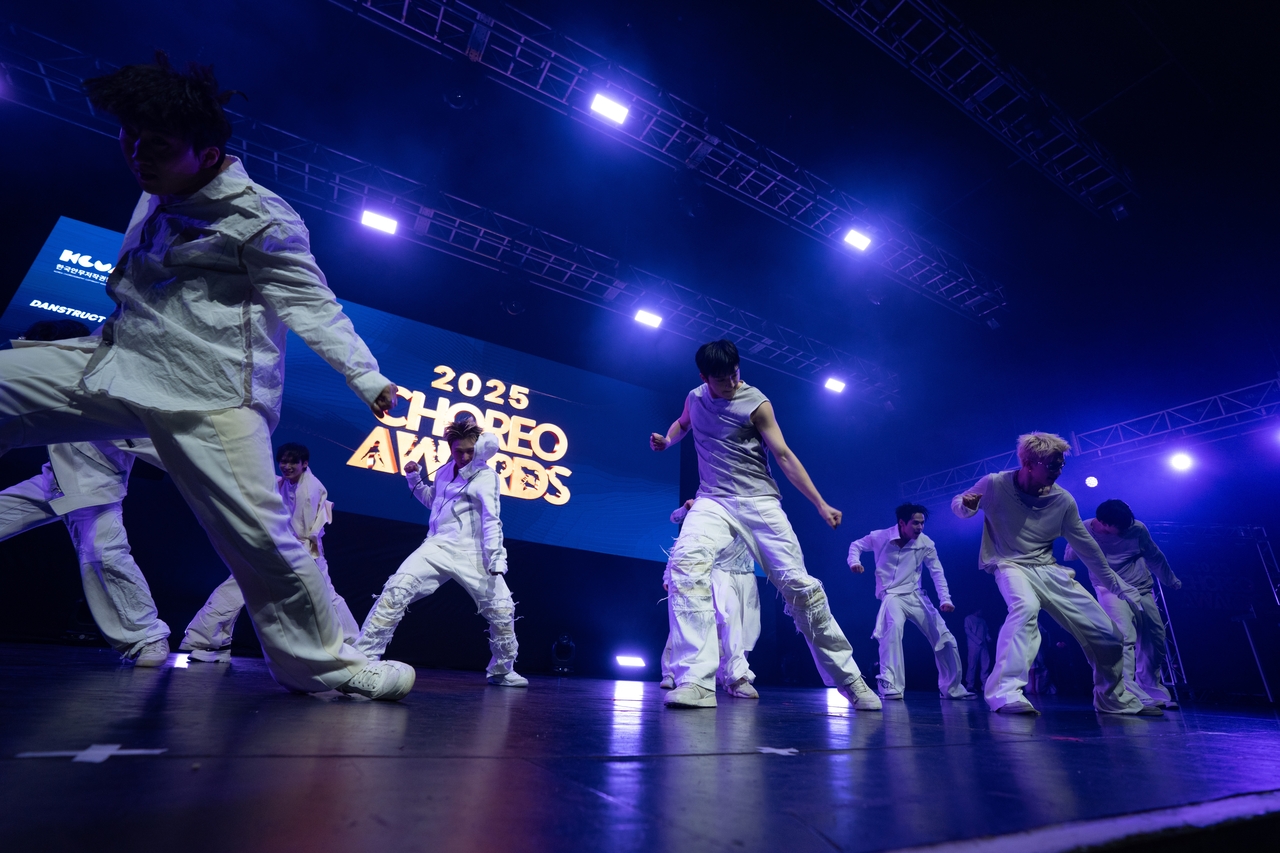
The ceremony was filled with high notes, from a video message by Kyoka to special performances by K-pop groups AtHeart and Ifeye, followed by showcase stages from dance crews including We Dem Boyz, Bebe and Aiki x Kimugan. The night closed with a final showcase by 1Million.
Accepting the top honor, Ingyoo Kim of We Dem Boyz captured that collective sentiment.
“Seeing everyone work so hard in their own styles, building their own spaces, is really amazing,” he said. “So all of us together — let’s make this K-culture even bigger.”
tammy@heraldcorp.com