Imported vehicles are set to capture a record 20 percent of Korea’s auto market this year, led by surging Tesla sales and strong demand for premium brands.
According to the Korea Automobile Importers & Distributors Association on Monday, newly registered imported vehicles surged 16 percent year on year to 278,769 units from January to November. Registrations of domestically produced vehicles rose only 3 percent to 1.1 million units.
Given that monthly registrations typically range between 20,000 and 30,000 units, the annual tally is widely expected to exceed 300,000 units, surpassing the previous record of 283,435 units sold in 2022. Imported vehicles are also set to top a 20 percent annual market share for the first time, having exceeded that level monthly for six consecutive months from May to October.
Tesla stood out with EV sales more than doubling to around 55,000 units during the January-November period from a year earlier. The EV maker ranked third among imported car brands, trailing behind BMW’s 70,000 units and Mercedes-Benz’s 60,000 units, narrowing the gap with Mercedes-Benz to approximately 5,000 units. Tesla’s share within the imported car segment increased from the low 10 percent range last year to nearly 20 percent this year.
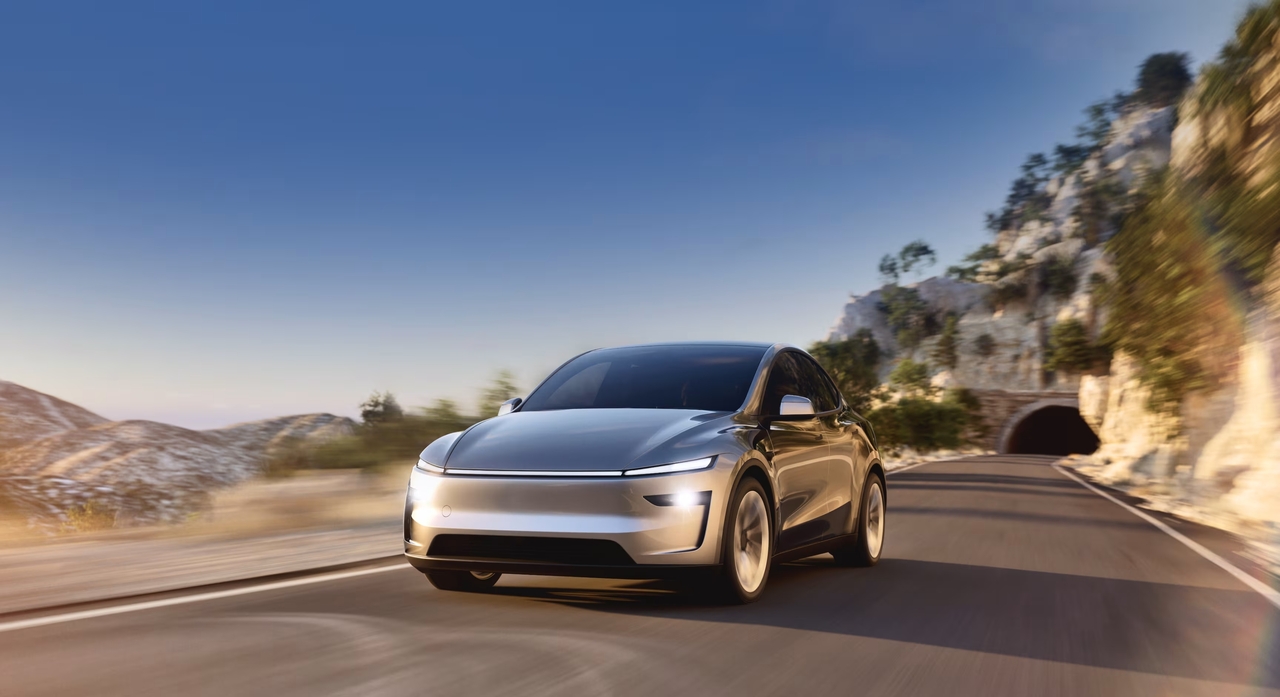
Industry insiders attribute Tesla’s strong market presence to its relatively affordable EV lineup, led by the Model Y compact SUV launched in 2021. In the same period, the Model Y sold 46,927 units, becoming the bestselling EV in Korea and outpacing Hyundai Motor Group’s combined EV sales of 28,040 units.
From 2023, Tesla largely shifted to importing Model Y vehicles manufactured in China instead of the US and lowered prices this year by about 4 million won ($2,800) from last year’s starting price of 56.99 million won, a move that helped drive a sharp increase in sales.
“Tesla has grown by disrupting Korea’s traditional divide between expensive imported cars and affordable domestic models,” said Lee Ho-geun, a car engineering professor at Daeduk University.
“As German brands, Mercedes-Benz and BMW, stayed focused on luxury, Tesla positioned itself as a more affordable import brand competing directly with Hyundai Motor Company and Kia — a strategy that is likely to further strengthen its presence in Korea.”
Korea’s imported car market began in 1987 after the government partially eased import restrictions, though the industry generally views 1995 -- when BMW established a local subsidiary -- as its effective starting point. Sales rose from fewer than 10,000 units in 1995 to more than 100,000 in 2011 and surpassed 200,000 units in 2015.
hyejin2@heraldcorp.com