A surge of idol coming-outs signals change — but insiders say the industry is still not prepared
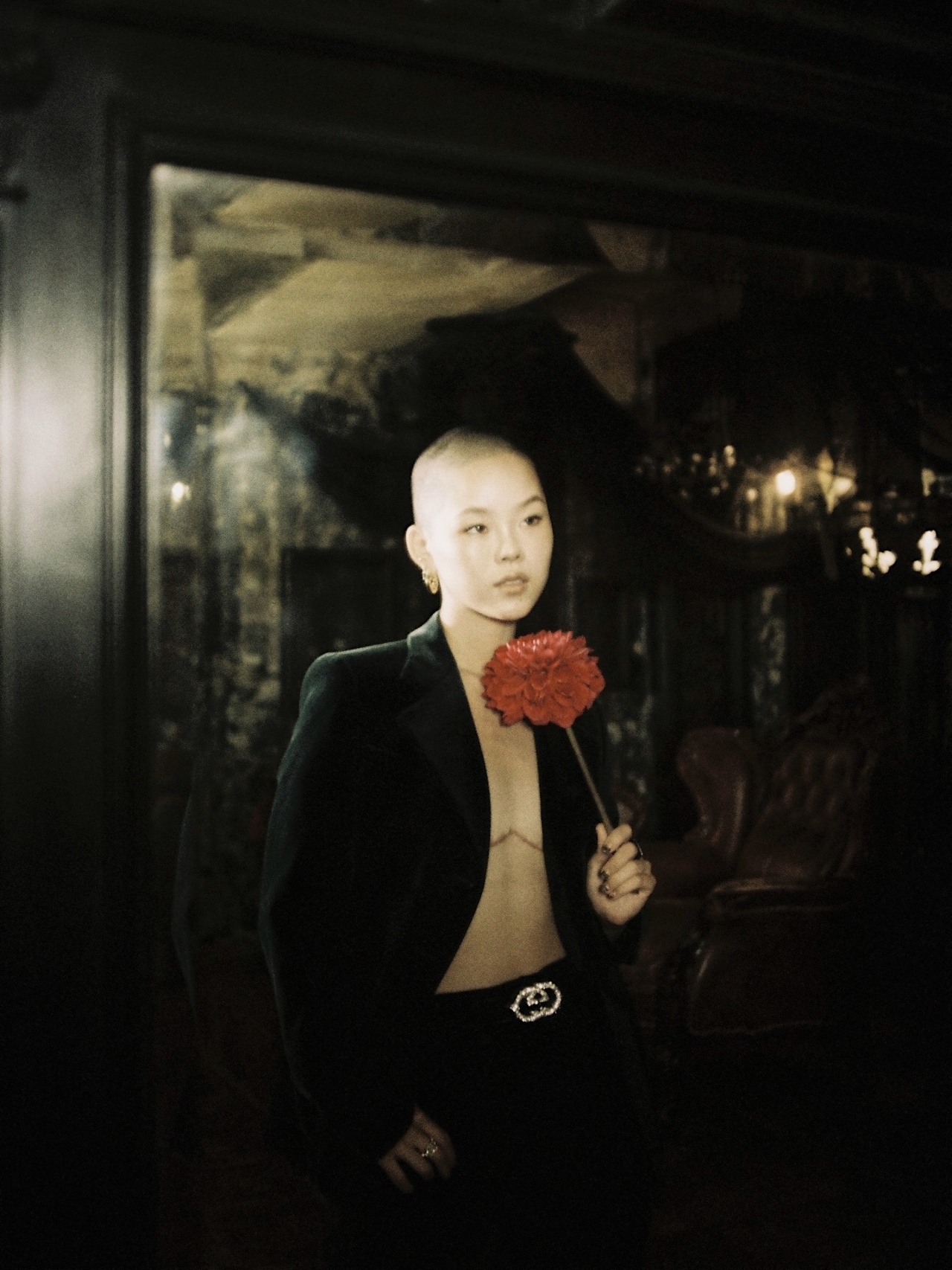
With Cocona of the Japanese group XG — who trained and debuted through the K-pop system — revealing on Saturday that they are transmasculine non-binary, the K-pop scene now counts at least four idols who have publicly come out this year.
The streak of disclosures may suggest that the traditionally conservative K-pop system, along with Korean society, is finally warming to LGBTQ+ visibility. But industry insiders say the landscape is far more complicated.
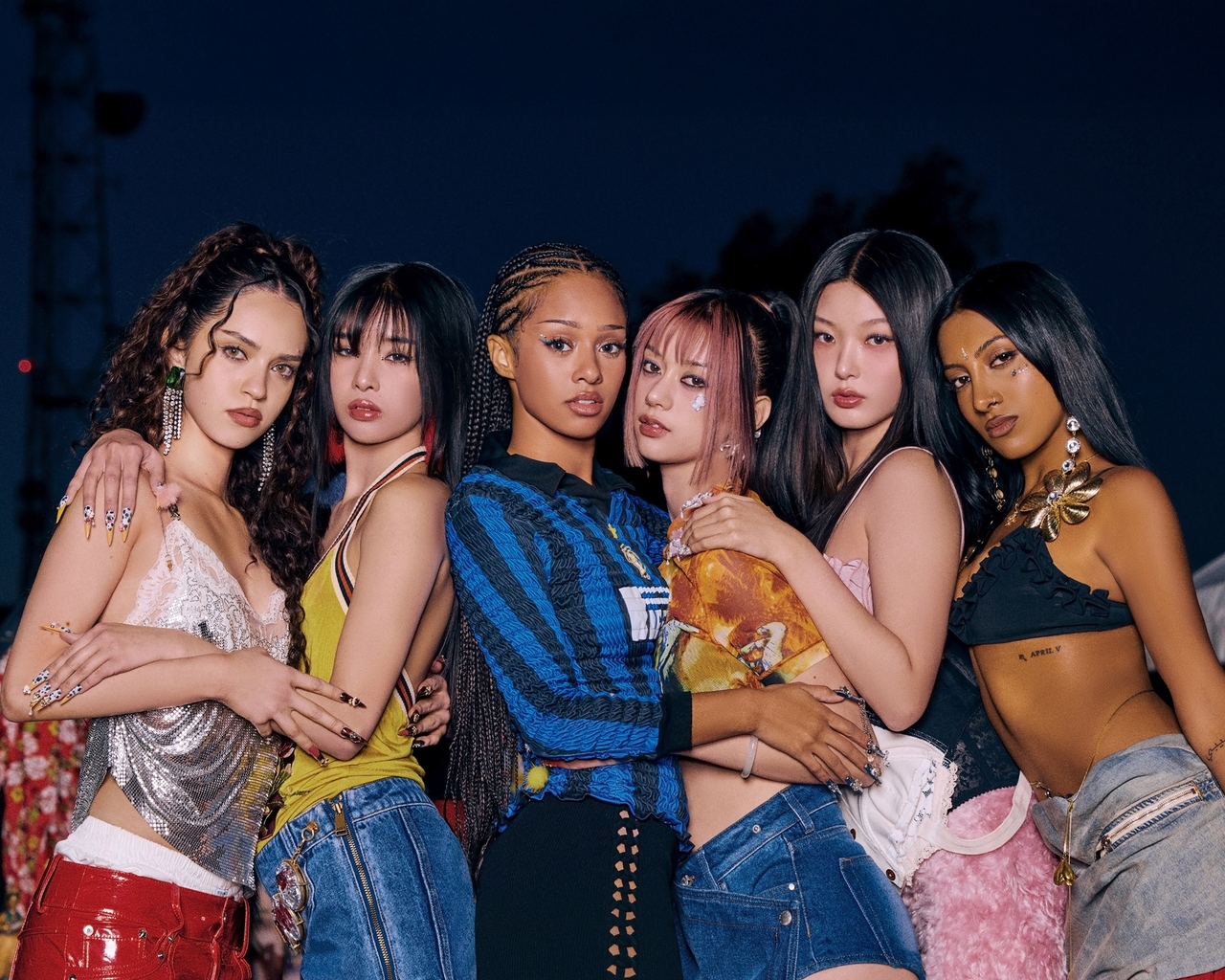
Lara and Megan of Katseye, a multinational girl group formed by Hybe America and Geffen Records, came out as queer and bisexual in March and June, respectively. Bain, a member of boy band JustB, also spoke publicly about being gay — noting he was still a minor when he first understood his identity — during the group’s LA concert in April.
Except for Katseye, which is primarily active in the US, Bain and Cocona’s disclosures stand out in an industry where tightly controlled images leave little room for personal autonomy. Their announcements carried messages that resonated beyond simple self-identification: themes of courage, self-love and acceptance.
Bain spoke candidly about battling fear but choosing to “live proudly.” Cocona went further, sharing a photo revealing scars from top surgery and writing that the hardest part of life was “accepting and acknowledging myself.”
“I hope this message becomes a small light for someone,” Cocona said.
XG, a seven-member Japanese group under XGALX — the Korean branch of Japan’s Avex Group — trained under the K-pop system and debuted to be a global pop group. Cocona’s declaration was followed by full-throated support from XG’s leadership.
“We deeply respect Cocona for the courage to share their heart with the world,” executive producer Jakops wrote, promising support “not only as an artist but as a human being deserving of respect.”
A limited shift — and clear boundaries
Still, the pattern reveals important caveats. Just B and XG primarily target global markets, and none of these artists come from Korea’s major agencies, where strict image control, tightly managed fandom relations and commercial risk calculations leave little room for such disclosures.
Smaller or international groups often operate with more flexibility, making coming-outs more feasible.
“Many idols came out this year — unusually many,” said music critic Lim Hee-yun. “Just B was a rare case. XG is a Japanese group, and Katseye is multinational.”
He added that K-pop has long been embraced by LGBTQ+ communities, yet the industry maintains “an odd duality — vague about sexuality and gender in some ways, but very rigid in others.”
Lim said that within Korea’s major agencies, public coming-outs by top group members remain unlikely.
“For a major company’s popular group member to come out? I think we’re still far from that,” he said. “In XG’s case, top surgery is physically impossible to hide, and the group’s unconventional concept creates room for acceptance.”
Since coming out, Bain said he felt “artistically freed” in an interview with Hong Seok-cheon on the Topgaybox YouTube channel, explaining that he no longer has to obscure gender references when writing lyrics.
“It feels like my possibilities have expanded,” he said.
But the reality at home remains stark.
“When I came back to Korea, the reactions were brutal,” he said, adding that he worried about misunderstandings affecting his bandmates. “They’re not gay — only I am,” he clarified.
jaaykim@heraldcorp.com