South Korean lawmakers reached a rare bipartisan deal to advance a bill allowing direct state subsidies and infrastructure support for chipmakers. The bill, however, dropped a clause aimed at easing working hours limits for R&D staff.
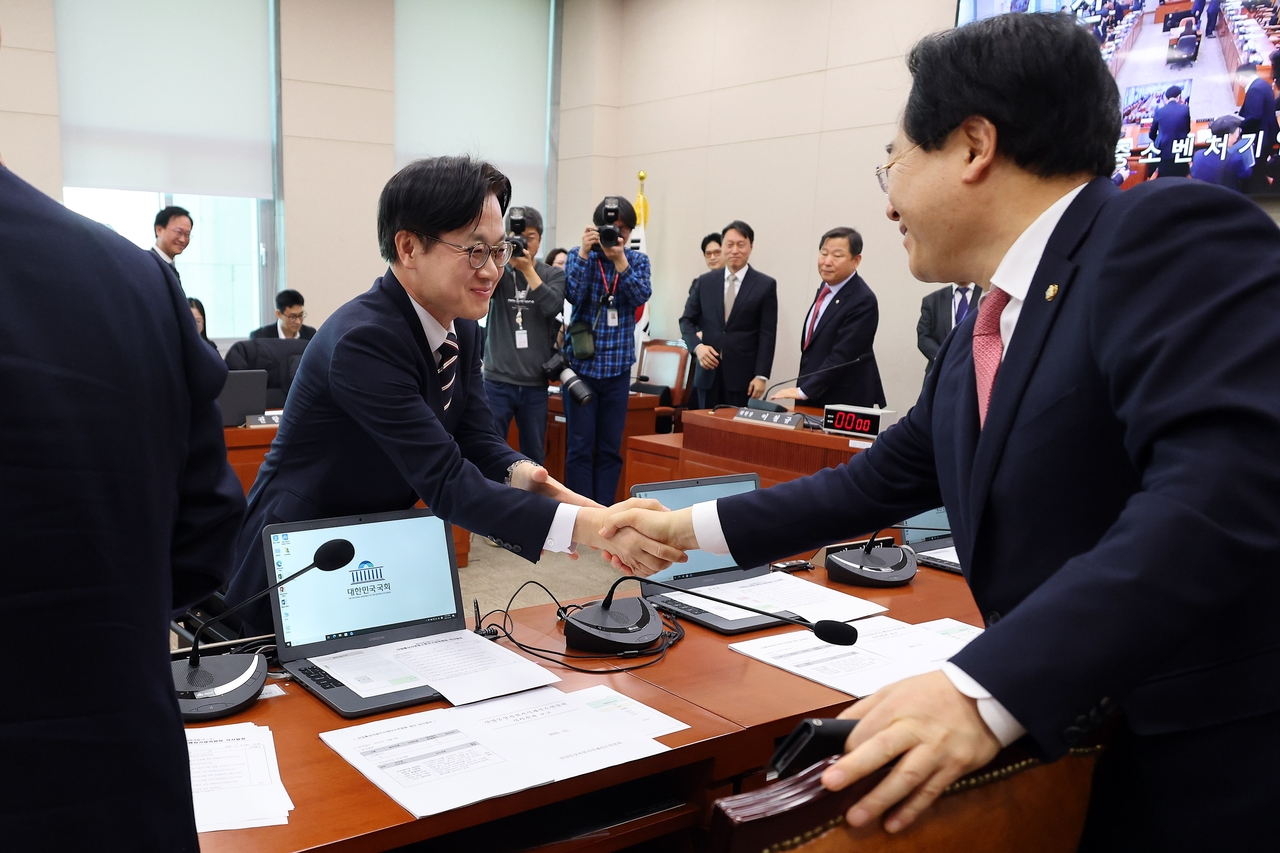
The proposed Special Semiconductor Act passed the National Assembly’s Trade, Industry, Energy, SMEs and Startups Committee on Thursday, moving it a step closer to a final vote. The bill, which would lay the legal foundation for direct government subsidies and infrastructure support for the chip industry, has been one of the most politically sensitive economic policy debates of the year.
Crucially, lawmakers removed a provision that would have exempted high-income chip research and development workers from South Korea’s 52-hour workweek cap. Under current labor law, most workers are limited to 40 regular hours plus 12 hours of overtime per week. The exemption had been pushed by the conservative opposition and industry groups who argue that rigid work-hour limits undermine Korea’s ability to compete with global rivals like the US and Taiwan, where longer hours are common during peaks in R&D cycles.
Labor unions and the ruling Democratic Party opposed the clause, calling it a step backward for worker protections. Lawmakers agreed to continue discussions on possible exceptions within the legislature’s labor committee, but the current version of the bill does not include any change to working hour limits.
Despite the omission, the bill’s other provisions represent a significant shift in industrial policy. If passed in the full Assembly, the law would enable direct cash subsidies for chipmakers building facilities in Korea, allow for fast-track permitting and approval, and require state and local governments to support essential infrastructure such as electricity and water access.
It would also create a new Presidential Committee for Semiconductor Industry Competitiveness, tasked with five-year strategic plans and annual implementation plans to guide the sector’s development.
“The industry urgently needs flexible labor rules, but supporting semiconductors couldn’t be delayed any further,” said Rep. Lee Chul-gyu of the opposition People Power Party, who chairs the labor committee.
Rep. Kim Won-i of the ruling Democratic Party agreed. “China is catching up fast,” he said. “We need proactive support to maintain Korea’s position.”
The bipartisan committee passage breaks months of deadlock since discussions began in mid-2024. The bill follows the earlier tax credit–based “K-Chips Act,” but signals a shift toward direct state intervention in line with moves by the United States, Japan and the European Union.
The final version is expected to be put to a floor vote in the National Assembly later this year.
mjh@heraldcorp.com