Chair Ju Biung-ghi highlights commitment to neutrality while acknowledging diplomatic sensitivities surrounding new platform regulations
SEJONG — Amid intensifying global scrutiny over digital platform regulation, South Korea’s antitrust chief has reaffirmed that any new rules will adhere to nondiscriminatory principles, signaling caution as Seoul navigates politically sensitive trade concerns.
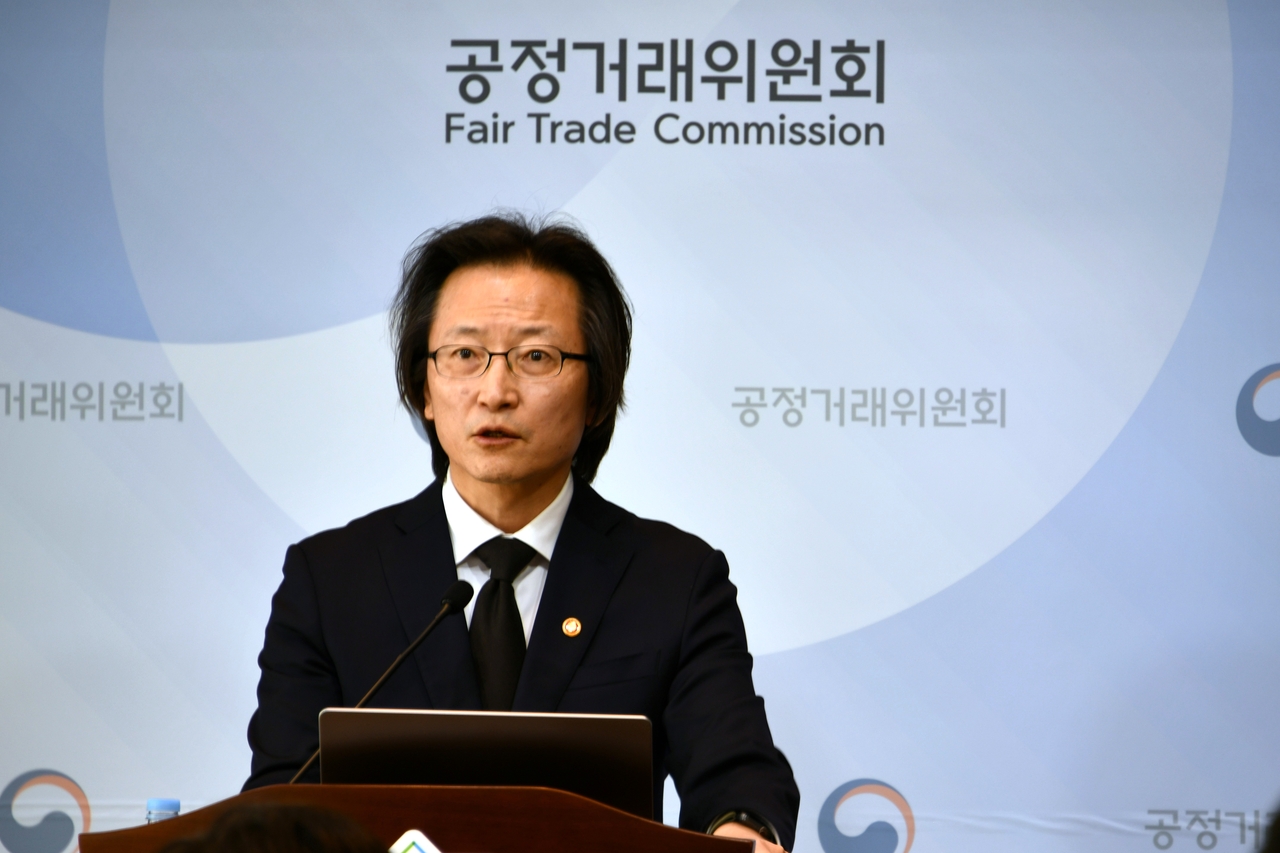
Fair Trade Commission Chair Ju Biung-ghi, speaking Friday at his first press conference since taking office in September, stressed that Korea will “consistently pursue policies that do not discriminate based on nationality,” a message aimed at easing escalating tensions with the United States over proposed platform-specific legislation.
“The enactment of a dedicated platform monopoly law remains diplomatically challenging,” Ju said at Sejong Government Complex, noting the delicate balance between domestic regulatory goals and international trade obligations.
Korea has been considering a new law that would predesignate certain large online platforms as market-dominant and impose stricter oversight over four categories of unfair practices — including self-preferencing and restrictions on multihoming. The effort comes as a handful of digital platforms gain disproportionate market influence, raising concerns about competition and consumer choice.
However, the US government has strongly objected to the draft legislation, arguing that the rules could suppress consumer-friendly competition, violate sound regulatory principles, and disproportionately affect American tech giants such as Google and Apple. Washington has warned that such measures risk breaching obligations under the Korea-US Free Trade Agreement by imposing burdens that appear to target foreign firms.
These objections reflect a broader, long-running skepticism in the US toward digital regulations abroad — a stance that has been consistent under President Donald Trump — which American companies often view as opaque or protectionist. Foreign firms operating in Korea frequently cite ambiguous enforcement standards and limited English-language guidance as major challenges.
The issue gained further traction last week when Korea and the US concluded bilateral trade consultations and issued a joint fact sheet underscoring both countries’ commitment to fair and nondiscriminatory digital service regulations. The document explicitly emphasized that US firms should not face undue barriers, including in areas such as network usage fees and online platform oversight.
Against this backdrop, Ju signaled that the FTC will focus on strengthening enforcement under existing laws rather than rushing forward with a new platform-specific framework. “We are working to ensure that timely and effective measures can be taken in this rapidly evolving market,” he said, noting that any institutional reforms will incorporate feedback from academia and industry stakeholders.
Responding to growing concerns among foreign companies about regulatory unpredictability, Ju acknowledged the need for greater transparency and accessibility. “We must strive to reduce unpredictability — for example, by publishing more English-language materials and aligning our practices with international norms,” he said.
Ju’s remarks suggest that while Korea remains intent on addressing platform-related competition concerns, it is equally conscious of preserving trade stability — especially with the US — amid rising geopolitical and digital-economy tensions.
yeeun@heraldcorp.com