Samsung Electronics’ spending on mobile application processors surged to an all-time high in the first nine months of 2025, underscoring its increased reliance on Qualcomm chips. Industry watchers expect a shift next year, with Samsung planning to reintroduce its in-house Exynos chips in the Galaxy S26 to cut costs and boost margins.
According to Samsung on Monday, its mobile AP spending from January to September reached 10.93 trillion won ($7.5 billion), up 25.5 percent on-year — already equaling its total expenditure for all of 2024. Mobile APs, often referred to as the “brain” of smartphones, typically account for around 30 percent of a handset’s production cost.
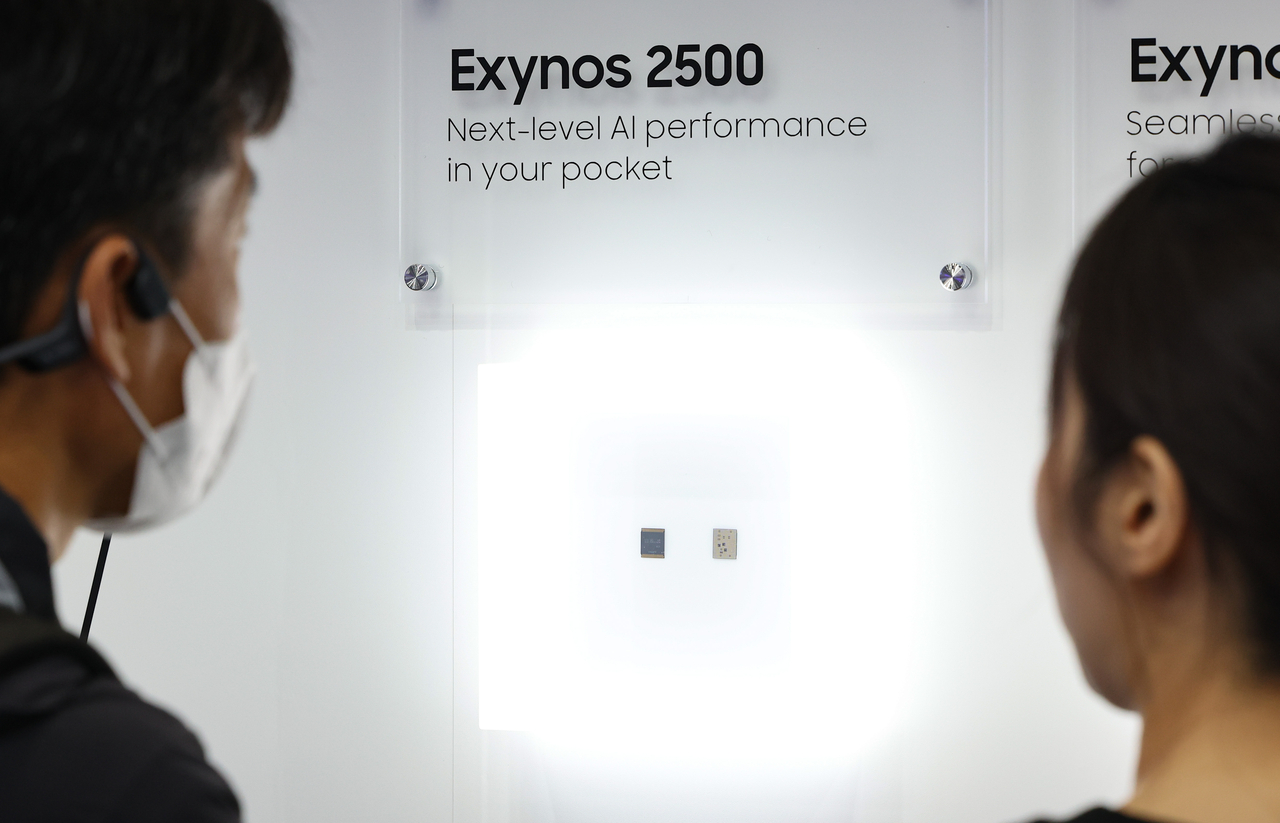
The sharp rise is largely attributed to Samsung’s use of Qualcomm’s Snapdragon chips for the Galaxy S25 smartphone lineup, breaking away from its typical dual-chip strategy. The company had intended to include its Exynos 2500 in some S25 models, but performance concerns led to a full Snapdragon deployment. Snapdragon chips were also used in the Galaxy Z Fold7, while the Exynos 2500 appeared only in the Galaxy Z Flip7 phones.
Industry watchers note that Snapdragon chips are nearly six times more expensive than their Exynos counterparts. Combined with a weak Korean won against the dollar, Samsung faced mounting import costs for chipsets from both Qualcomm and MediaTek.
To improve profitability, Samsung is expected to bring back its Exynos line in its flagship Galaxy S lineup after a two-year hiatus, due early 2026. The Exynos 2600, designed by Samsung’s system LSI division and produced by its foundry division, is likely to be paired with Qualcomm’s latest processors in a mixed-chip strategy.
Despite these plans, Qualcomm is still likely to dominate the mobile AP supply for the S26 smartphones. During the company’s recent earnings call, Qualcomm CEO Cristiano Amon projected that Snapdragon processors would power about 75 percent of Galaxy S26 devices.
An industry source who is familiar with Samsung’s internal discussions said the final Exynos-to-Snapdragon ratio is “still under review,” adding that growing AI demand could further strain global chip supply and pricing.
“Samsung needs to boost in-house chip usage to ease cost pressures and to regain leverage and reinforce its position in chip design,” the source added.
yeeun@heraldcorp.com