US crackdown on Chinese batteries drives Tesla closer to Korean suppliers
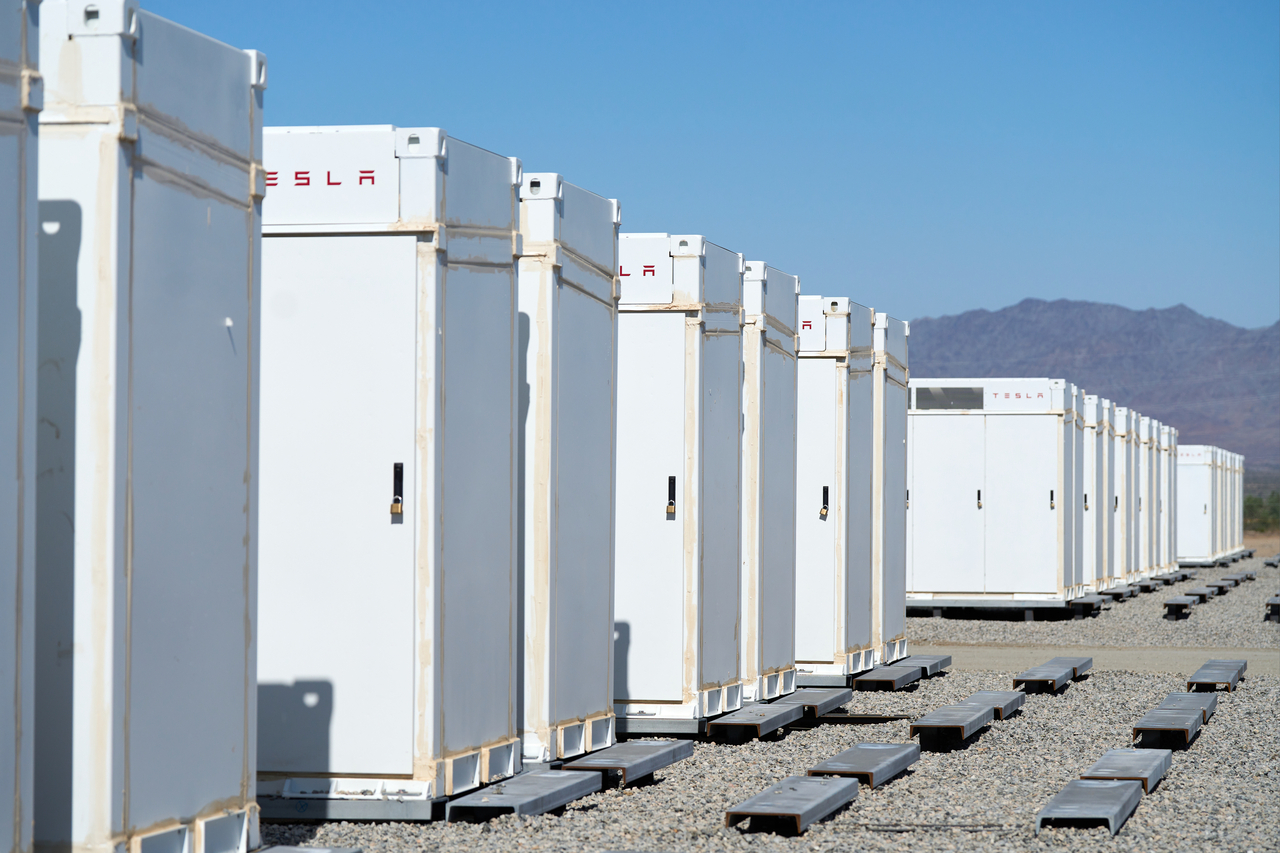
Samsung SDI is reportedly in final talks with Tesla to supply around 3 trillion won ($2.1 billion) worth of energy storage system battery cells, signaling the US electric vehicle giant’s growing reliance on Korean battery makers amid Washington’s push to reduce dependence on Chinese supply chains.
According to industry sources and media reports Tuesday, Tesla’s ESS division executives visited Korea last week and reached near-final terms with Samsung SDI on a multiyear supply contract. The deal would cover about 10 gigawatt-hours of lithium iron phosphate battery cells a year, starting as early as 2026, generating an estimated 1 trillion to 1.5 trillion won in annual revenue for Samsung SDI.
The Korean battery maker is expected to produce the cells at its joint venture with Stellantis in Indiana, converting part of the facility’s existing EV battery lines into ESS-dedicated production for North American clients, including Tesla.
“The reported deal likely involves cell-level supply for Tesla’s Megapack assembly lines in California,” an industry source said. “Tesla is expected to integrate the cells into its own Megapack ESS products.”
Samsung SDI’s domestic rival LG Energy Solution, which signed a contract in July to supply Tesla with 20 GWh of LFP ESS battery cells annually, is reportedly negotiating to raise that volume by 50 percent to 30 GWh. If both deals proceed, the combined Korean supply of cells to Tesla could reach 40 GWh per year.
Following reports of the potential deal, Samsung SDI’s share price jumped to a 52-week high of 354,500 won early Tuesday before easing to 335,500 won, up 2.6 percent at the closing bell. The company later confirmed discussions were ongoing but said “no details have been finalized.”
Industry observers say the potential Tesla contract would give Samsung SDI a much-needed boost after recent financial headwinds. In the third quarter, the company’s revenue fell 22.5 percent on-year to 3.5 trillion won, and it swung to an operating loss of 591.3 billion won.
Unlike LG Energy Solution and SK On, which operate independent plants in the US, Samsung SDI currently relies on its joint venture with Stellantis for North American output. Reports indicate the Indiana plant’s utilization rate remains below 50 percent due to the EV market downturn.
“Securing a major client like Tesla in the fast-growing ESS market marks a significant milestone for Samsung SDI,” said Lee Ho-geun, a car engineering professor at Daeduk University. “A long-term partnership will enhance its credibility and help expand its complete ESS solution lineup, including products such as the Samsung Battery Box in the US.”
Tesla’s pivot toward Korean suppliers follows its effort to diversify away from Chinese battery maker CATL, which had supplied most of its cost-effective ESS battery cells. After the US imposed tariffs of around 60 percent on Chinese batteries, Tesla accelerated sourcing from non-Chinese partners and began limited in-house LFP cell production in Nevada.
The Nevada plant, with an annual capacity of 10 GWh, incorporates CATL’s design and equipment but will cover only a fraction of Tesla’s ESS needs. The company plans to scale total annual ESS capacity to 100 GWh within three years — meaning its current 50 GWh supply from in-house and Korean partners still meets only half that target.
“With US tariffs factored in, Korean-made LFP cells could achieve cost parity or even a price advantage over Chinese supplies,” another industry insider said.
According to Mordor Intelligence, the US ESS market’s installed capacity is projected to grow from 49.5 GW this year to 131.8 GW by 2030, representing an annual average growth rate of 21.6 percent.
Amid this expansion, Tesla’s deepening partnerships with Samsung SDI and LG Energy Solution are expected to cement Korea’s position as a key supplier in energy storage.
hyejin2@heraldcorp.com