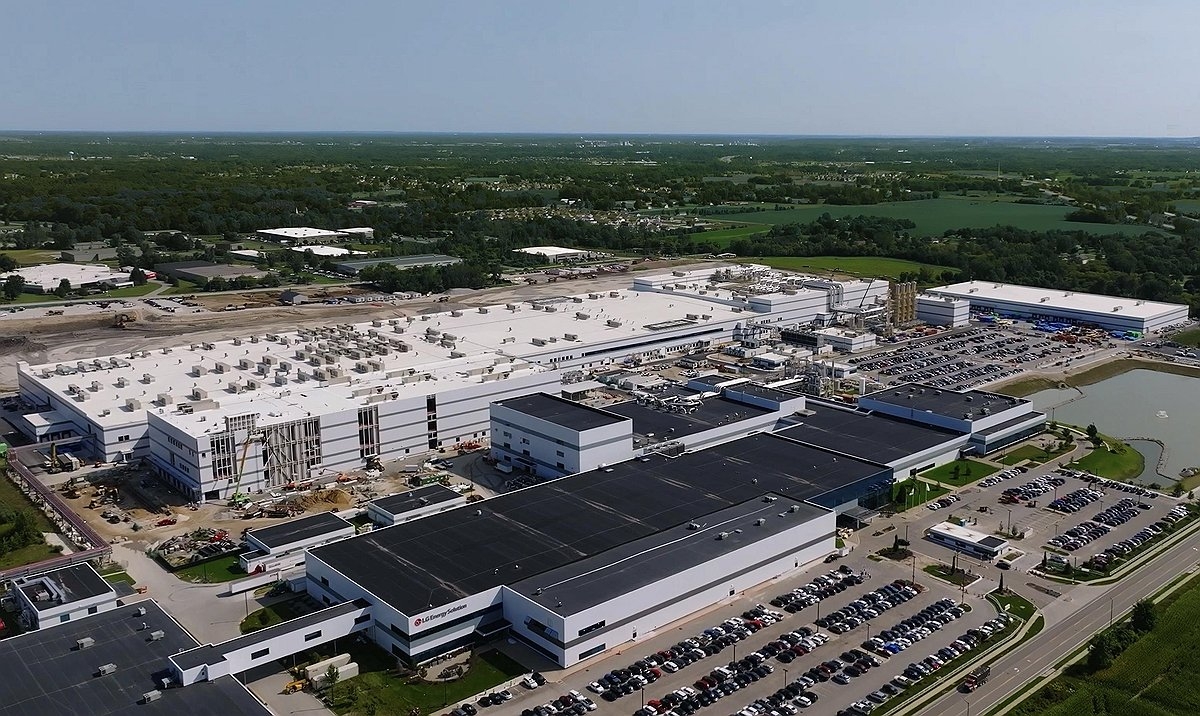
LG Energy Solution has posted a second consecutive quarter of profit excluding US subsidies, as surging demand for energy storage systems offset a downturn in electric vehicle sales.
According to its regulatory filing on Monday, the company’s operating profit rose 34.1 percent from a year earlier and 2.4 percent from the previous quarter to 601.3 billion won ($420.9 million) in the July-September period. Without the Advanced Manufacturing Production Credit under the US Inflation Reduction Act, which contributed 365.5 billion won, its operating profit stood at 235.8 billion won.
The US tax credit fell to 490.8 billion won from the previous quarter due to lower EV shipments following the expiration of consumer subsidies in September. However, the battery maker maintained its momentum, marking a second consecutive quarter of profit excluding subsidies after turning to a profit in the second quarter for the first time in six quarters.
An industry source familiar with the matter noted, “LG Energy Solution’s profit was driven by continued cost-reduction efforts, stronger earnings from the North American ESS market, and improved performance in its small- and mid-sized battery segment, supported by growing orders from cylindrical EV and pouch cell customers.”
The company’s quarterly sales revenue reached 5.7 trillion won, down 17.1 percent compared to the previous year but up 2.4 percent quarter-on-quarter.
Industry insiders expect EV production growth in the US to remain limited in the near term as major automakers scale back electrification plans and adopt more conservative inventory management in response to the expiration of EV purchase subsidies.
However, ESS demand in the region has been more resilient than anticipated, providing a growth opportunity for LG Energy Solution — currently the only battery maker with large-scale ESS production capacity in North America.
The company is reportedly pursuing continued efforts to reduce fixed costs through resource reallocation and efficiency measures, while prioritizing a portion of its production capacity — including that of joint ventures — for ESS supply over EV batteries to enhance overall facility utilization.
Securities firms also highlighted LG Energy Solution’s ESS business as a key driver of growth.
Samsung Securities said the company is likely to outperform its competitors despite weakening US EV sales, backed by its early investment in local ESS production. Shinyoung Securities noted that rising ESS and small battery sales are expected to offset declining EV demand, while Hyundai Motor Securities said the ESS business will further boost earnings through advanced system integration solutions powered by its Vertech platform.
hyejin2@heraldcorp.com