President Donald Trump again called for an end to quarterly earnings reports, tapping into a long-running fault line in American capitalism over how much information should be disclosed by public companies.
In a social media post on Monday, Trump echoed comments he made during his first term to end the quarterly reports that companies issue to share financial results with investors.
“Subject to SEC Approval, Companies and Corporations should no longer be forced to “Report” on a quarterly basis (Quarterly Reporting!), but rather to Report on a ‘Six (6) Month Basis,’” Trump said on social media. “This will save money, and allow managers to focus on properly running their companies.”
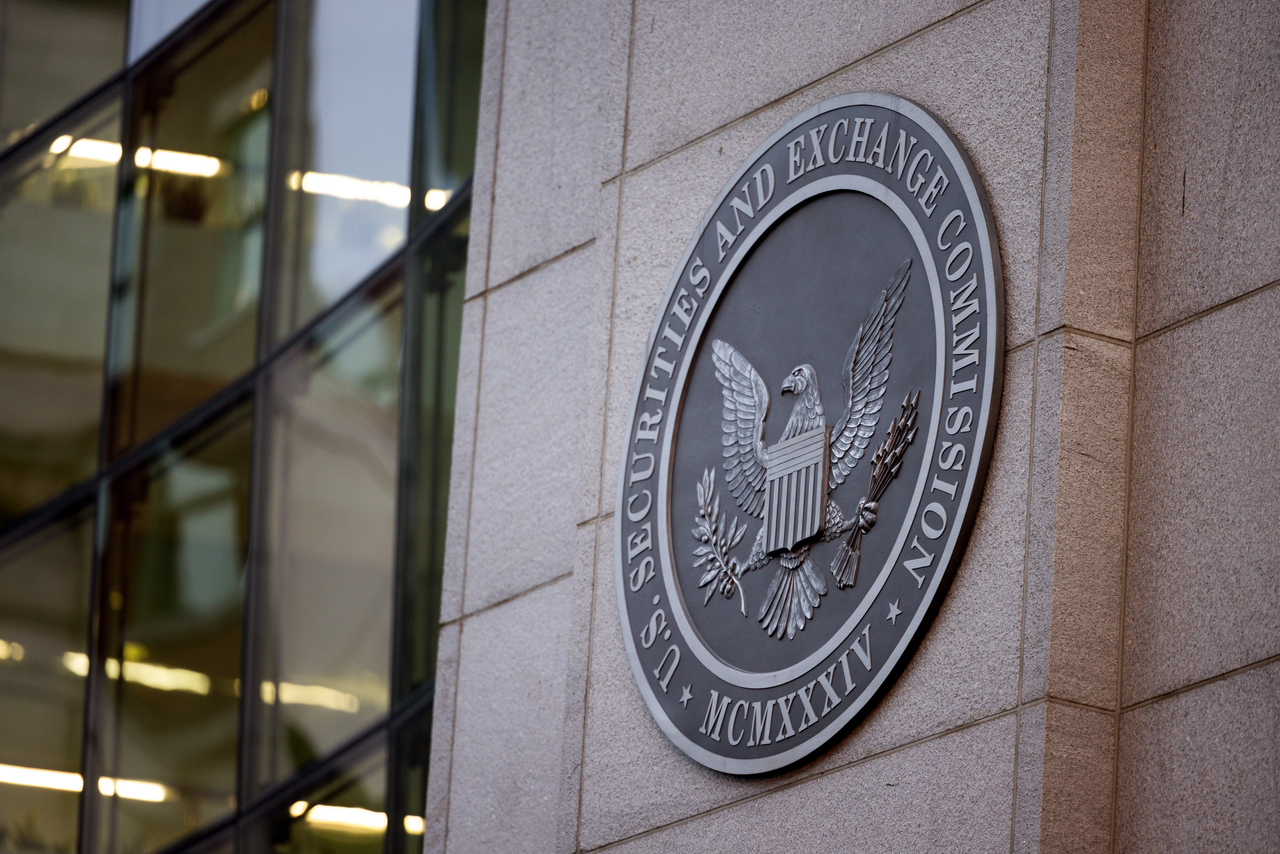
The Securities and Exchange Commission didn’t immediately return a request for comment.
The SEC mandated for companies to report quarterly in 1970, part of its decades-long push to increase transparency following the stock market crash in 1929.
Shifting away from quarterly reporting “seems like a gigantic step backward,” said Nell Minow, chair of ValueEdge Advisors, which consults institutional investors on corporate governance issues. US markets have stayed so robust because this level of transparency boosts trust, she said.
But critics have argued that such reporting has its downsides. The practice increases costs, pushes companies to focus on the short-term -- hampering investment and innovation -- and can lead to overreactions by investors, opponents say.
Whether Trump’s intervention sparks serious regulatory change remains to be seen, but his comments throw fresh political fuel on a debate that goes to the heart of how the US measures corporate performance.
After Trump’s comments in 2018, the agency asked for public comment on quarterly reporting, but didn’t finalize a change to requirements.
For investors and executives alike, the future of quarterly reporting could reshape incentives in the world’s biggest equity market -- determining whether US companies stay chained to the clock or win more freedom to focus on the long game.
Adena Friedman, Nasdaq Inc.’s chair and chief executive officer, said the exchange supported reforms to reduce the burden on public companies, including giving firms the option to report either quarterly or semi-annually, according to a statement on LinkedIn. The exchange proposed companies having the option to do semi-annual reporting in a policy paper earlier this year.
Trump compared the US reporting process to China, suggesting that Beijing had a system in place that was more efficient and cost-effective for businesses in that country.
In Europe, most firms are only mandated to report every six months, but many still file quarterly results for several reasons, including investor expectations.
Supporters of quarterly reporting say it’s necessary to keep investors informed and reduces the chances of market manipulation.
“Companies spend far too much time on the churn of quarterly reporting,” said Matt Powell, a longtime sports industry analyst and current senior adviser for BCE Consulting. “On the other hand, you need to balance that with investors having enough good information to make intelligent decisions.”
Shifting to reporting every six months could also boost uncertainty and volatility on earnings results.
“While the goal would be to get investors and companies to become more long-term focused, it would increase uncertainty in the equity market and could lead to a lowering of valuations,” said Brian Nick, head of portfolio strategy at Newedge Wealth. “Earnings season moves could also be larger as misses get bigger and more consequential.”
SEC Chairman Paul Atkins hasn’t said whether he plans to extend companies’ reporting periods, but he has been a frequent critic of disclosures that many companies view as overly burdensome without providing significant benefit to shareholders.
The agency included a possible proposal on its recently-issued regulatory agenda to “rationalize disclosure practices” -- a potentially wide-ranging topic that could eventually encompass a number of measures. (Bloomberg)