The South Korean government and companies have repeatedly tried to resolve visa issues under the Trump administration and repeatedly fallen short, local media reported Wednesday.
Amid rising criticism that the Korean government had neglected visa troubles faced by Korean companies building factories in the US, the Foreign Ministry in Seoul said Tuesday, “Since the second Donald Trump administration, we have made 52 outreach efforts, including 10 meetings with the Senate and the House in just the first half of the year.”
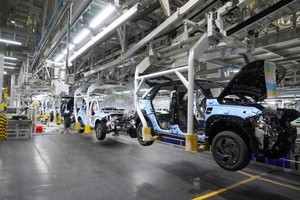
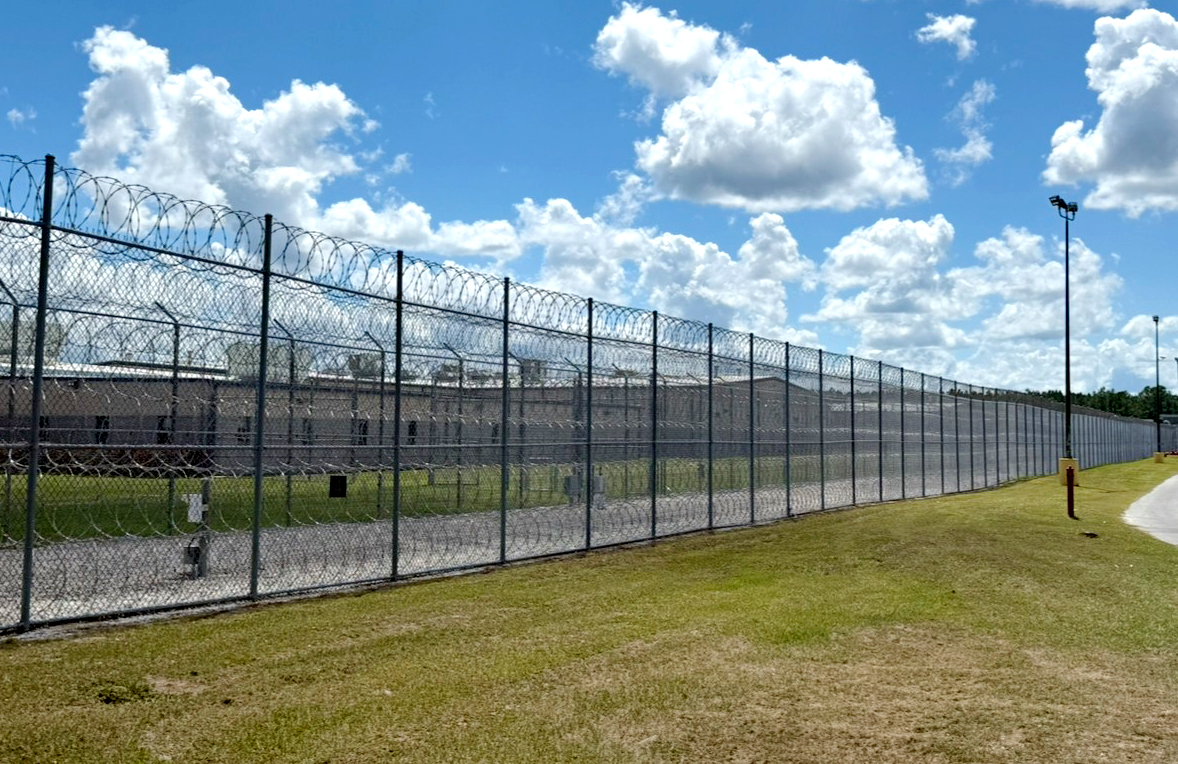
US immigration authorities detained more than 300 South Koreans in an unprecedented crackdown at an electric vehicle battery plant under construction in Georgia by Hyundai Motor Group and LG Energy Solution. US authorities have said they were working illegally, including those on short-term visas that barred them from performing labor.
A Korean Air chartered flight was set to depart as early as Wednesday to repatriate the detained Koreans.
Local reports said some of those detained had entered the US on B-1 visas or ESTA waivers for short-term business activities, which would include meetings or contract signings. Obtaining the H-1B visa — the primary route for foreign professionals — has become increasingly difficult due to the lottery system and long processing times.
A Foreign Ministry official said the government had been aware of existing visa troubles and had actively communicated with US officials and the US Congress, which had not resulted in meaningful breakthroughs.
According to Rep. Kim Young-bae of the Democratic Party of Korea, who cited ministry documents, LG Energy Solution reported in May that its employees had been denied entry into the US over visa problems. The Foreign Ministry received six official complaints on US visa issues this year, including from Hyundai Motor in April and LG in May.
Since 2012, the South Korean government has made diplomatic efforts to establish a dedicated visa quota in the United States for Korean professionals, according to the Foreign Ministry in Seoul.
A bipartisan bill known as the Partner With Korea Act, which would create an E-4 visa quota of 15,000, was proposed at the House of Representatives in July by Republican Rep. Young Kim and Democratic Rep. Sydney Kamlager-Dove, both from California.
shinjh@heraldcorp.com