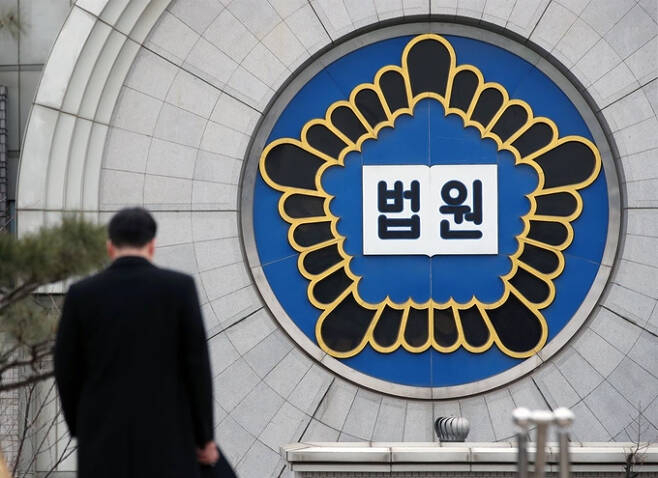
It is illegal for a company to pay incentives only to those with regular employment contracts while excluding those defined as "fixed-term" employees, a South Korean court ruled recently.
The Seoul Administrative Court ruled against Hyundai ITC, a subsidiary of Hyundai Steel, in a legal dispute filed by the National Labor Relations Commission, which challenged the company's practice of not paying incentives to retiring employees with non-permanent contracts.
Employees of the company filed a complaint with the labor commission, claiming the practice amounted to discrimination without a justifiable reason.
The Act on the Protection of Fixed-Term and Part-Time Employees stipulates that those with non-permanent contracts are not to be subject to discrimination based on their employment type. In South Korea, "regular workers" are those who are entitled to work until the legal retirement age of 60 without the risk of being fired, unless under extreme circumstances such as the employee committing a crime or the company undergoing restructuring.
The company argued that paying incentives only to regular employees aligned with the agreement it reached with its labor union, which does not have any non-regular workers as members. It also claimed that the incentives were compensation for those who worked until retirement age, and that non-regular workers had already benefited by retaining their jobs past the age of 60.
But the court said the agreement does not exempt the company from its legal obligation to pay equal wages to union and non-union workers, pointing out that those without a permanent employment contract were unable to join the union in the first place. It added that working past retirement age cannot in itself be considered a benefit.
Regular workers with permanent employment contracts can also work past the legal retirement age if they sign a new employment deal as a fixed-term employee.
minsikyoon@heraldcorp.com