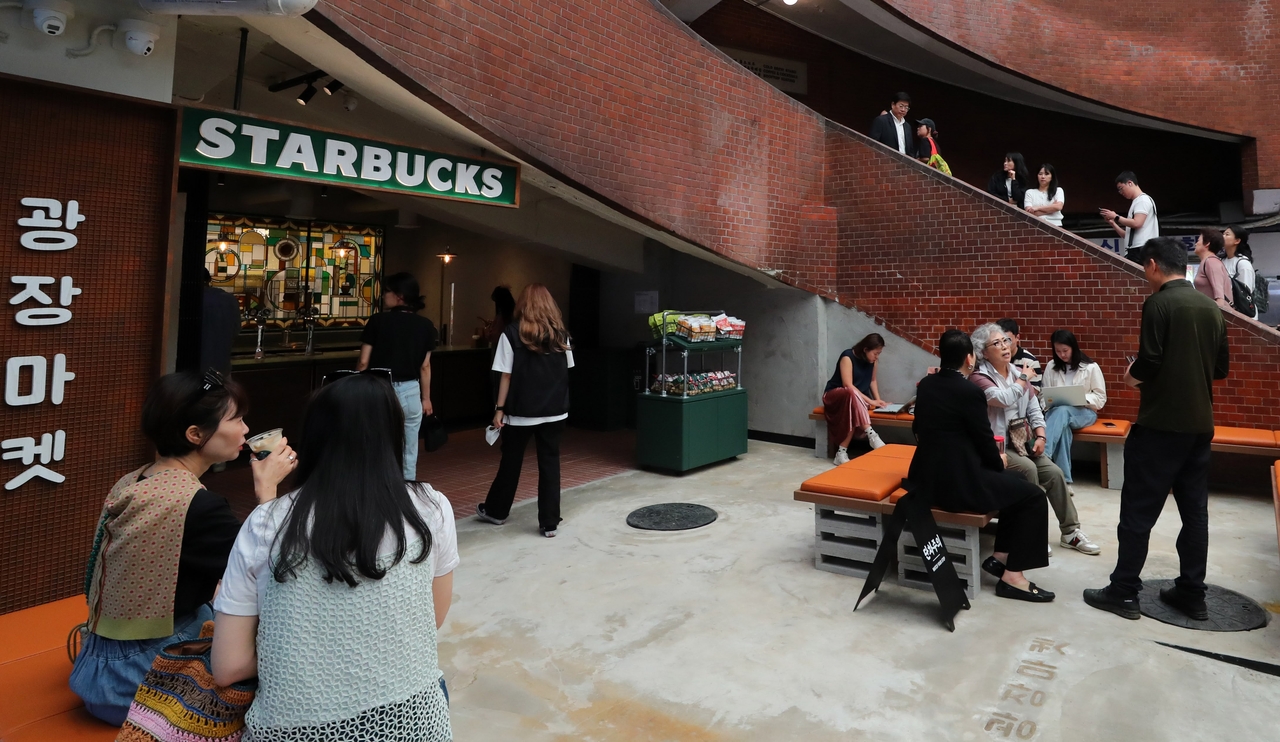
Starbucks Korea is telling customers to leave their home offices at home.
The company has banned the use of desktop computers, printers, power strips and large partitions inside its cafes.
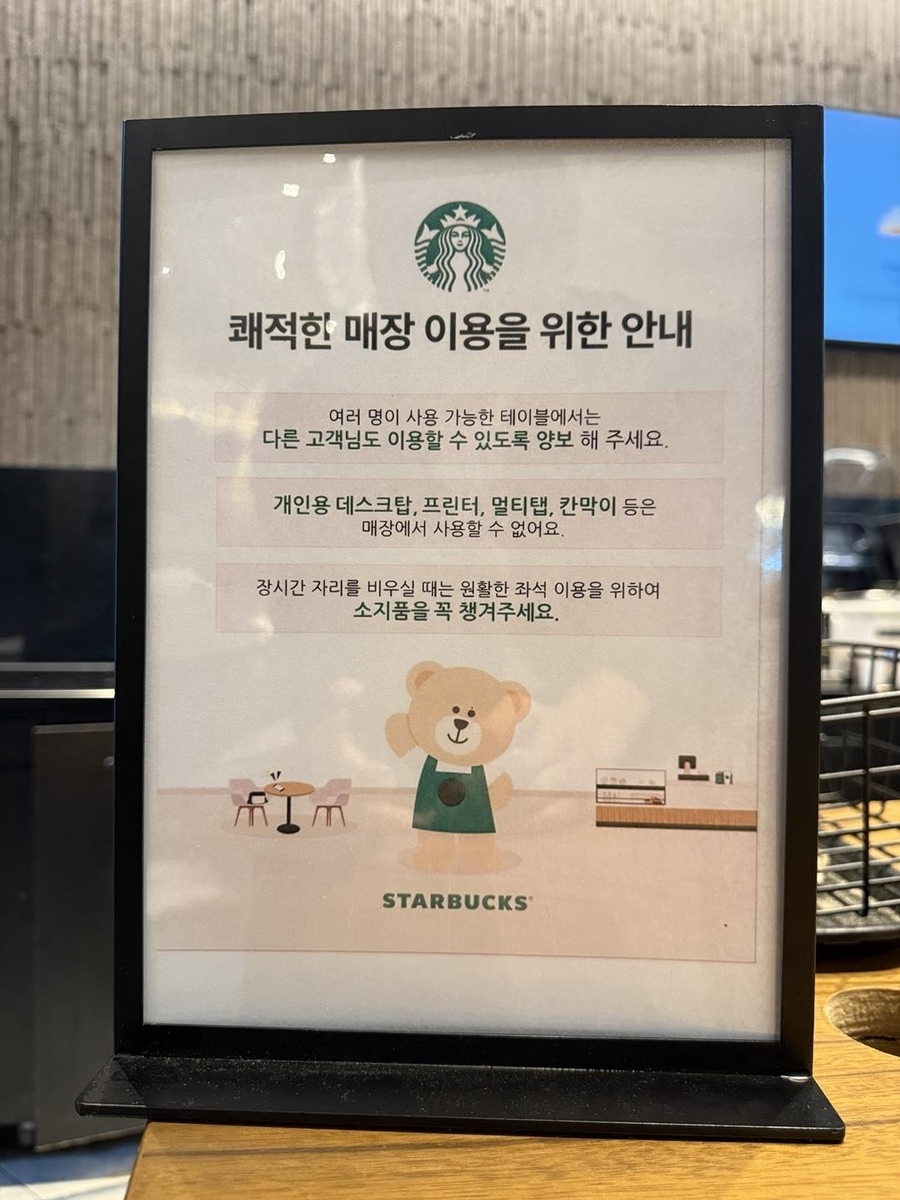
On Thursday, Starbucks confirmed it has posted new notices in every branch across the country. The signs also ask customers to take their belongings when leaving for long periods and to make room at shared tables so others can sit.
The move targets a small but persistent group of clients known as “cagongjok.” The term blends the Korean words for cafe and study tribe. It refers to people who work or study for hours in coffee shops.
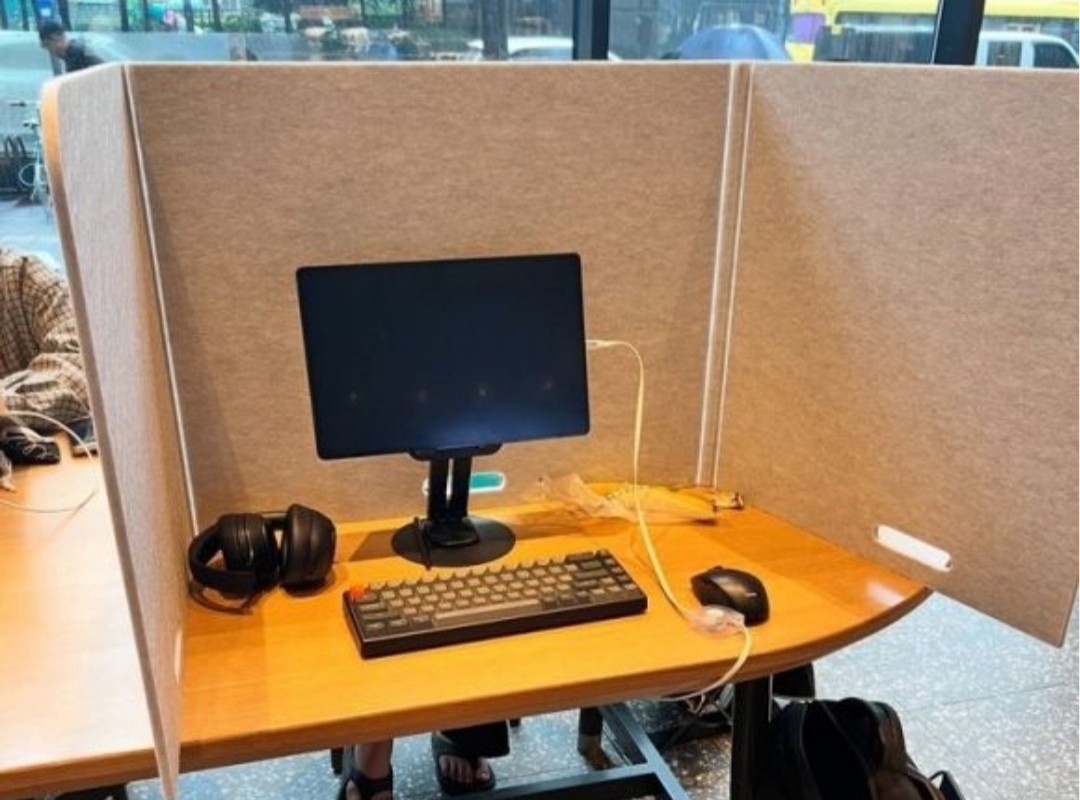
Most use only laptops. But Starbucks says some have been setting up large monitors, printers and even cubicle-style dividers.
Photos of these elaborate setups have spread widely on Korean online forums. In some cases, printers were placed on nearby chairs, blocking others from using them. A few customers even brought in partitions to turn tables into private booths.
A Starbucks Korea spokesperson said the decision was made to keep stores comfortable for all visitors. The company also cited the risk of theft or loss when belongings are left unattended.
Cafe count in Korea nearly doubles in less than a decade
The backdrop is South Korea’s massive cafe boom. Statistics Korea reports that the number of coffee shops rose from about 51,500 in 2015 to over 100,000 in 2024. That is nearly double the combined total outlets of the country’s four largest convenience store chains.
The popularity of cafes as study and workspaces has partly driven this growth. But long stays can be costly for owners.
The Korea Foodservice Industry Research Institute estimated in 2019 that a 4,100 won ($3) coffee covers only 1 hour and 42 minutes of seat time before it becomes unprofitable. In 2024 that figure dropped to 1 hour and 31 minutes.
Starbucks is not banning laptops or ordinary study sessions. But the new rule draws a line against turning cafes into full-scale offices.
mjh@heraldcorp.com

![[Graphic News] Korea’s marine waste up 20% in 4 years](https://wimg.heraldcorp.com/news/cms/2026/10/27/news-p.v1.20261027.091c35e4ae1a4bb2a598a9138e673a7b_T1.gif?type=h&h=800)