Industry wary of operational strains, system risks tied to extended trading
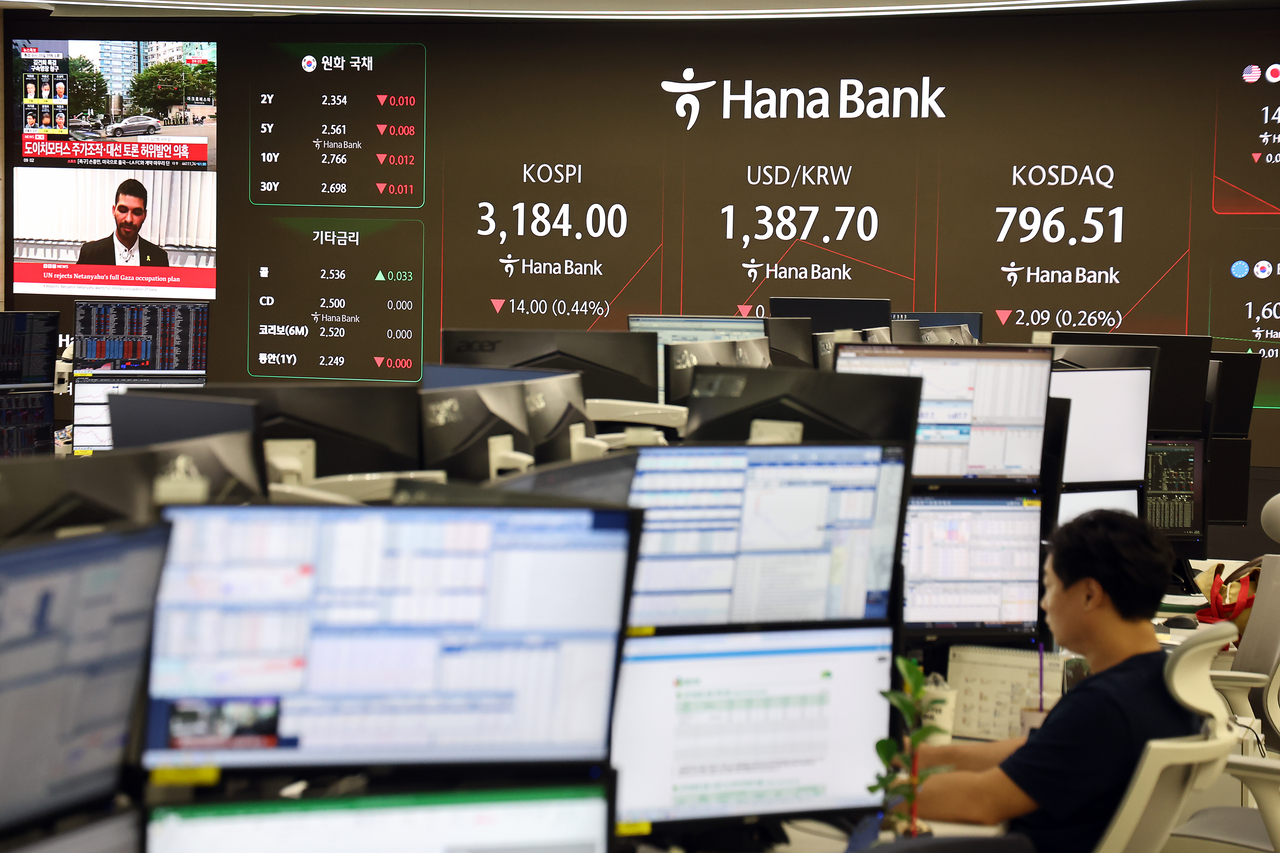
South Korea’s main bourse operator, the Korea Exchange, is pushing to implement a 12-hour trading system in a bid to secure its market share against the emerging alternative trading platform Nextrade.
The KRX is considering extending stock trading hours -- currently 9 a.m. to 3:30 p.m. -- to 8 a.m. to 8 p.m., according to industry sources.
Though the bourse operator is yet to announce an official stance, it is currently gathering feedback from brokerages and other market participants on the proposed change.
In late June, it sent out a survey to brokerage firms on the proposal. The original deadline for responses was set for July 31, but the KRX decided to extend the period to this week after many firms failed to submit their answers in time.
The survey asks member firms to choose among proposed options for how the extended 12-hour trading session should be structured.
Currently, the market operates with a pre-opening session from 8:30 a.m. to 9 a.m., regular trading from 9 a.m. to 3:30 p.m., followed by an after-closing session from 4 p.m. to 6 p.m. During the pre-market and after-hours sessions, only single-price trading is available.
According to the proposals, the KRX is considering moving the regular market opening one hour earlier, or operating a pre-market session from 8:00 a.m. to 8:30 a.m. After main market hours, an after-market session is likely to run from 3:40 p.m. until 8 p.m.
If the KRX extends its trading hours, it would mark the first change since 2016, when the closing time was moved from 3 p.m. to 3:30 p.m.
The bourse operator’s push for longer trading hours comes on the back of the successful operation of Nextrade, the country’s first alternative stock exchange, earlier this year.
Launched in March, the alternative trading platform has quickly gained ground, capturing a market share of over 30 percent, backed by longer trading hours and lower commissions. The Nextrade operates from 8 a.m. to 8 p.m. but trades only a limited number of shares. In July alone, the platform’s average market share stood at 31.66 percent, a near tenfold increase from 3.8 percent in March.
With only Nextrade and the KRX operating in the market, Nextrade’s growth comes at the expense of the KRX’s market share, leading to reduced transaction commissions and directly undermining its profitability.
Though the overall market trading volume, combining the benchmark Kospi and secondary Kosdaq, increased from roughly 3,075 trillion won in January–July last year to 3,180 trillion won this year, the KRX’s trading volume fell from 3,000 trillion won to 2,500 trillion won on-year.
The industry response remains lukewarm, with concerns mounting over the operational strains the extension could impose.
“Most brokerages are likely to face significant burdens from system modifications and increased labor expenses to support and monitor the extended trading hours,” an official from a local brokerage firm said.
“Without sufficient preparation, system errors could occur as they did when Nextrade was first launched.”
silverstar@heraldcorp.com