Donor registration and donation numbers fall, organ recipients wait for 6 years on average
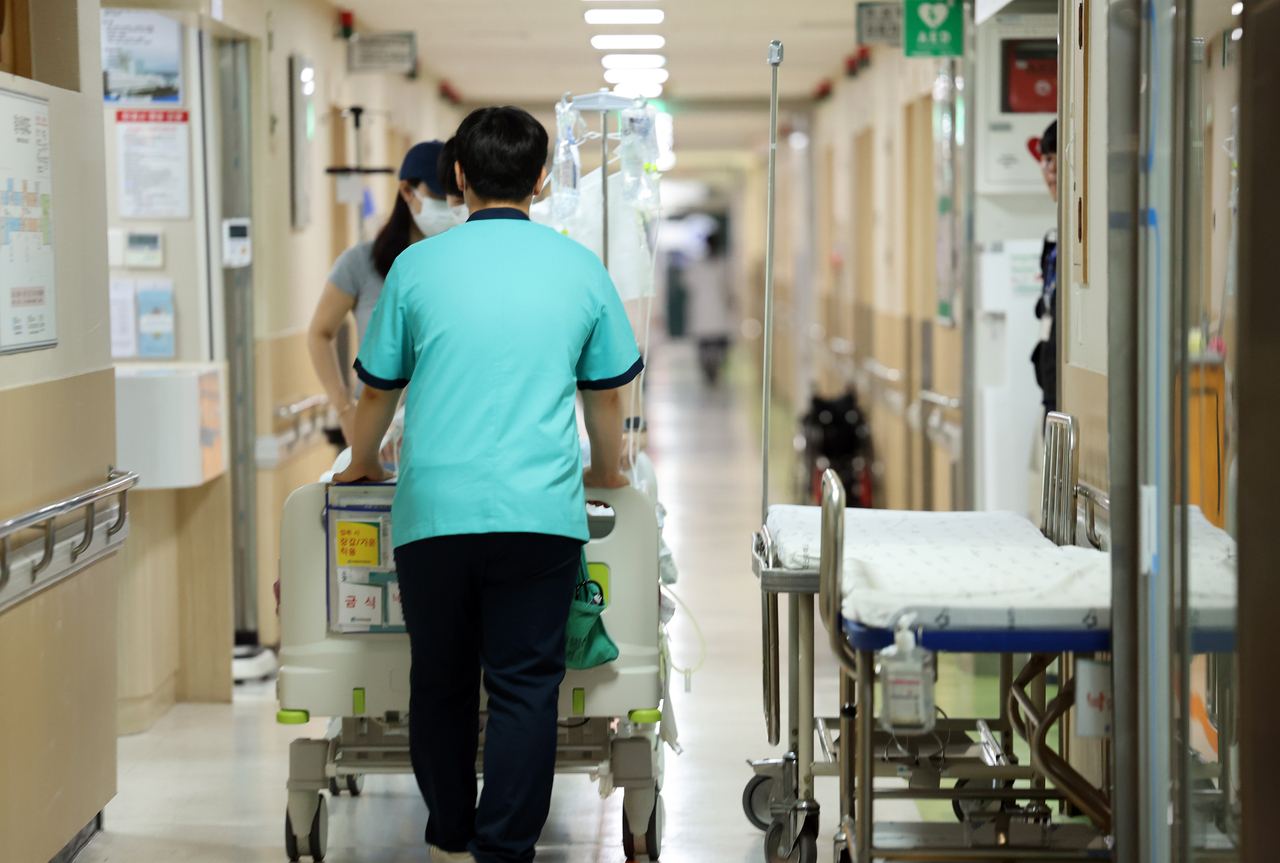
The number of organ transplants and people who newly registered as organ donors fell in South Korea last year, while the waiting list of potential recipients grows, data showed Tuesday.
According to a report by the state-run National Institute of Organ, Tissues and Blood Management, 3,931 people donated organs in South Korea in 2024, down 11.3 percent compared to 4,431 the previous year.
The number of people declared either brain dead or dead who donated organs dropped from 483 to 397, and 38 to 10, respectively.
The number of people who donated organs while alive also dropped by 15.3 percent, from 2,339 in 2023 to 1,980 in 2024. Nearly all living donors gave to relatives, with only 30 people donating to non-relatives.
Total organ transplants also decreased by 15 percent to 5,054 in 2024 across all types of donations, including from living donors (15.3 percent decrease), donors declared brain dead (22.9 percent decrease) and deceased donors (71.1 percent decrease).
Hematopoietic stem cell transplants, also known as a bone marrow transplants, only experienced a marginal decrease of 1.7 percent to 1,544 cases in 2024.
Last year, 70,563 people newly registered to donate their organs after they die or are declared brain dead, a 15.4 percent drop from the year before but up from 2022.
The accumulated number of potential donors of organs, body tissues and bone marrow rose to 2.98 million as of December last year.
From 2020 to 2023, well over 4,000 people in South Korea donated organs each year, ranging from 4,271 in 2022 to 4,616 in 2021.
Transplant hopefuls wait for years
While donor numbers drop, the number of those waiting for organs rose 5.6 percent to 54,789 over the same period.
The report compiled the average waiting period for kidneys, liver, pancreas, heart, lungs, pancreatic islets and small intestines, and found that those wishing to receive a transplant had to wait for 2,193 days on average, or about six years. This ranged from 970 days for lungs, to 4,211 days for the pancreatic islets, referring to the region of the pancreas containing endocrine cells.
Officials from the Ministry of Health and Welfare noted that organ donor registrations tend to fluctuate every year, and that this year's numbers — which have not yet been revealed — have increased slightly.
The ministry plans to set up a five-year plan to promote organ donations from 2026-2030. Details for the plan will be announced in September.
minsikyoon@heraldcorp.com