Korean automaker keeps yearly guidance for now, yet hints at updates based on tariff deal between Seoul and Washington
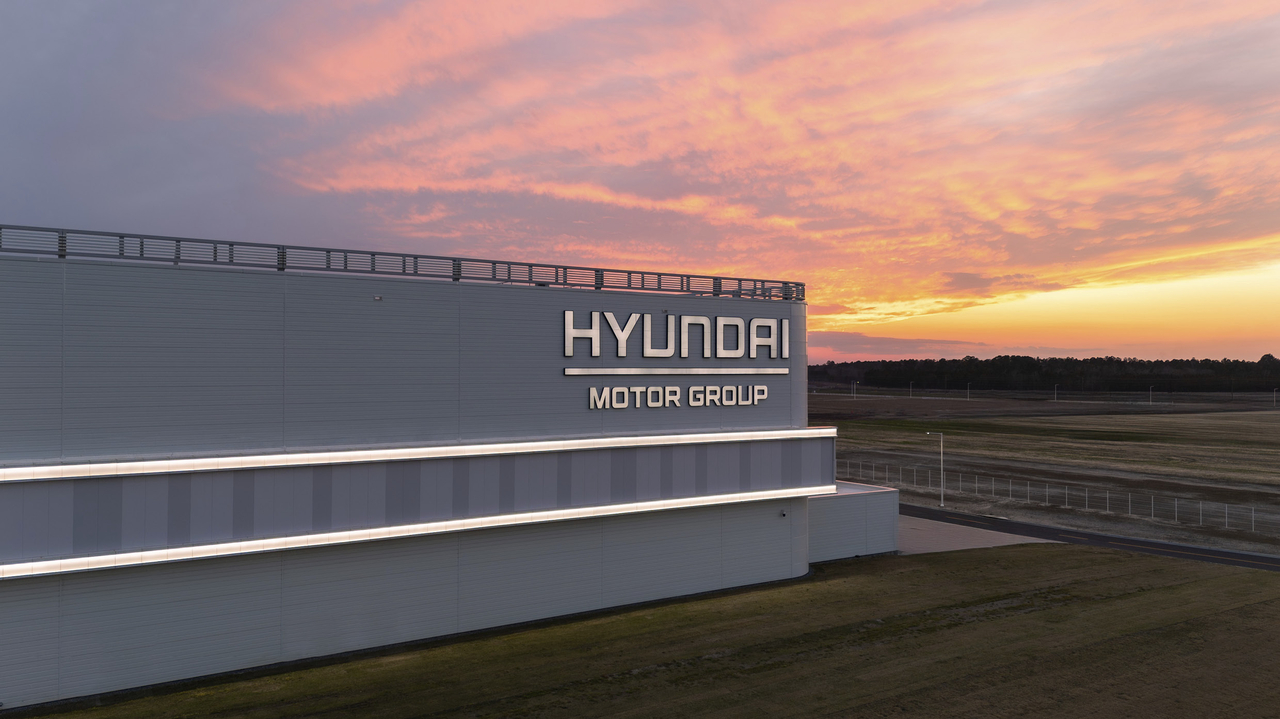
Hyundai Motor Company has taken a hit from the United States’ auto tariffs as the Korean automaker announced on Thursday a steep year-on-year decline in its operating profit from the second quarter.
According to Hyundai Motor’s conference call over its second quarter earnings, the automaker logged 48.3 trillion won ($35.4 billion) in revenue and 3.6 trillion won in operating profit in the second quarter. Although quarterly revenue increased by 7.3 percent from the same period last year, operating profit went down by 15.8 percent on year.
The last time Hyundai Motor suffered a year-on-year quarterly operating profit dip of 10 percent or higher was in the third quarter of 2020.
The automaker said the falling second-quarter profitability was “partly” a result of the impacts of the 25 percent US tariffs on Korean auto imports, which took effect in April.
Hyundai Motor Company’s chief finance officer Lee Seung-jo noted that the company underwent a “minus effect of 828.5 billion won” from the tariff in the second quarter, saying that it has prepared short-term and mid- to long-term action plans to cope with lingering uncertainties, particularly the ongoing levy negotiations between Seoul and Washington.
“Considering that the current tariff policies as of today remain, in the short term, we will carry out flexible incentive and price measures, cut the costs of materials and processes through efficient production and push for contingency plans within investment budgets,” said Lee during the conference call.
“For the mid- to long-term, we will closely review options to expand the local production (in the US) and respond to the market. On top of handling the tariffs, we will continue to put efforts in improving the company’s fundamentals.”
Lee added that the company will actively communicate with its stakeholders after August 1 — the postponement deadline for the "reciprocal" tariffs imposed by US President Donald Trump on Korea — should there be any changes to the yearly earnings guidance once the levy talks are finally settled between the two countries. The sectoral auto tariffs have been in effect despite the delay of the "reciprocal" tariffs.
Hyundai Motor set out the yearly guidance to achieve a 3 to 4 percent growth rate in annual revenue and post a 7 to 8 percent operating profit margin for 2025 in January.
According to Hyundai Motor, it sold approximately 1.07 million cars globally between April and June, up 0.8 percent from the second quarter of 2024. The company pointed out that the sales of eco-friendly vehicles jumped 36.4 percent on year to 262,126 units based on the expansion of electric vehicle sales as well as the hybrid lineup in Europe.
“Due to sales increases in major markets such as (Korea,) the US and Europe, we were able to achieve qualitative growth, but our profit took a step back due to reasons such as the fallout of the US tariffs and increasing cost of global incentives and sales due to intensifying competition,” said a Hyundai Motor official.
hwkan@heraldcorp.com