The state-run Korea Electric Power Corp. has finalized the initial funding phase for its upcoming energy projects in Saudi Arabia, according to the firm on Wednesday.
It secured about 5.5 trillion won ($3.96 billion) in project financing through separate agreements for Saudi Arabia's Al Sadawi photovoltaic project and the Rumah-1 and Al Nairyah-1 independent power plant projects, which will play a pivotal role in supporting the kingdom's energy transition.
“KEPCO plans to continue expanding its overseas project portfolio, focusing on new energy sectors and cutting-edge technologies,” the firm said in a statement.
The financing was structured as project finance, relying solely on the local project entities' profitability and creditworthiness, without guarantees from KEPCO.
KEPCO attracted funding from major financiers, including the Export-Import Bank of Korea and other international commercial banks.
In June, Korea’s policy lender Eximbank said it would provide some $225 million in project finance for KEPCO's Al Sadawi solar project.
This contract represents KEPCO's 22nd and 23rd projects executed through overseas project financing in collaboration with domestic export financing institutions, which shows KEPCO's expertise as a developer and operator of international power projects.
Facilitated by the recent financial agreements, the ongoing groundwork for these projects is now poised to transition into full construction.
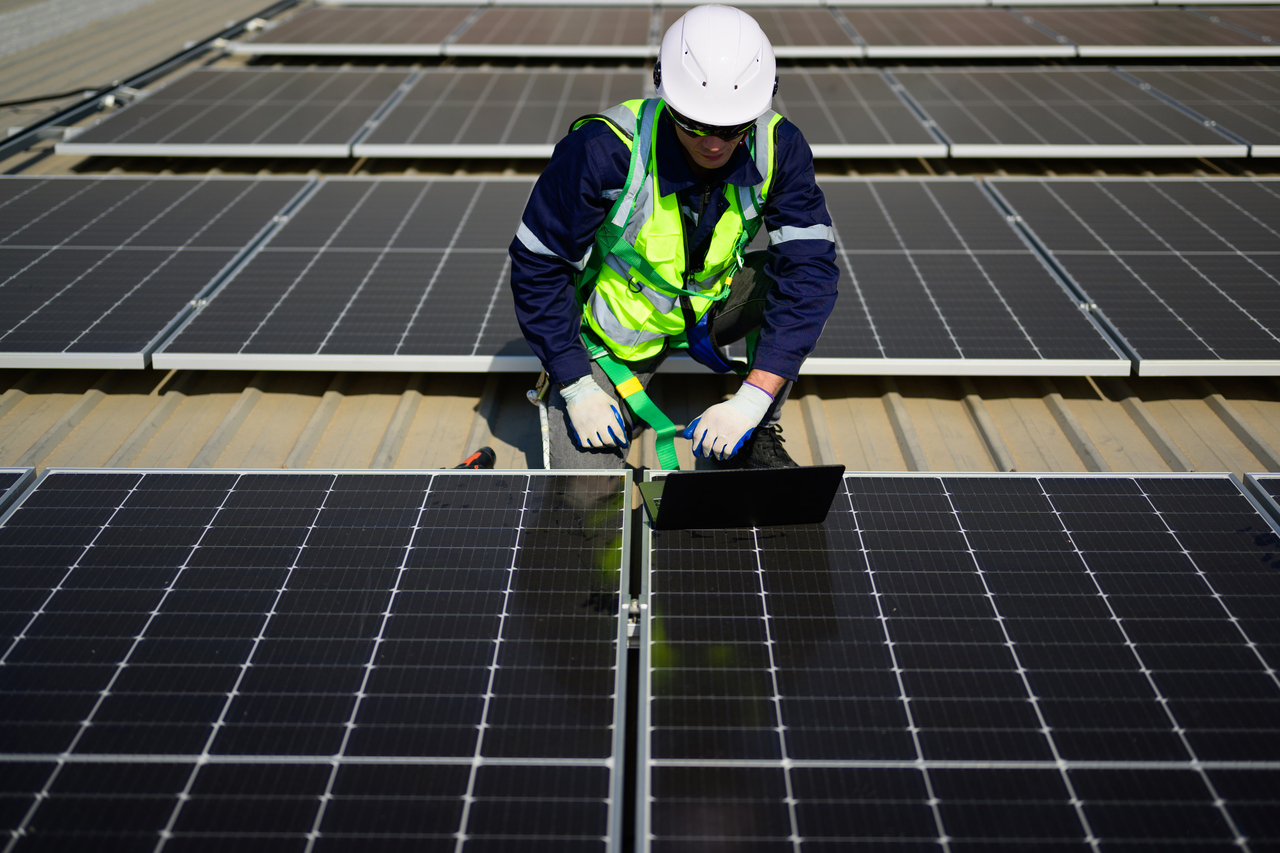
The Al Sadawi solar project, awarded via an international tender in October, is a 2-gigawatt renewable energy initiative, the largest solar power project in the kingdom.
Total investments exceeding $1.1 billion will see about 3.7 million solar panels installed across a desert area 14 times the size of Seoul’s Yeouido, or roughly 39.6 square kilometers.
KEPCO expects this project to generate revenue of some 540 billion won over its 25-year lifespan.
The Rumah-1 and Al Nairyah-1 plants, granted in November, will have a combined capacity of 3.6GW, amounting to nearly 2.5 percent of the national grid's capacity. It is projected to bring in 4 trillion won over 25 years.
hnpark@heraldcorp.com











