Ultium Cells pivots to LFP batteries to cut EV costs, expand portfolio
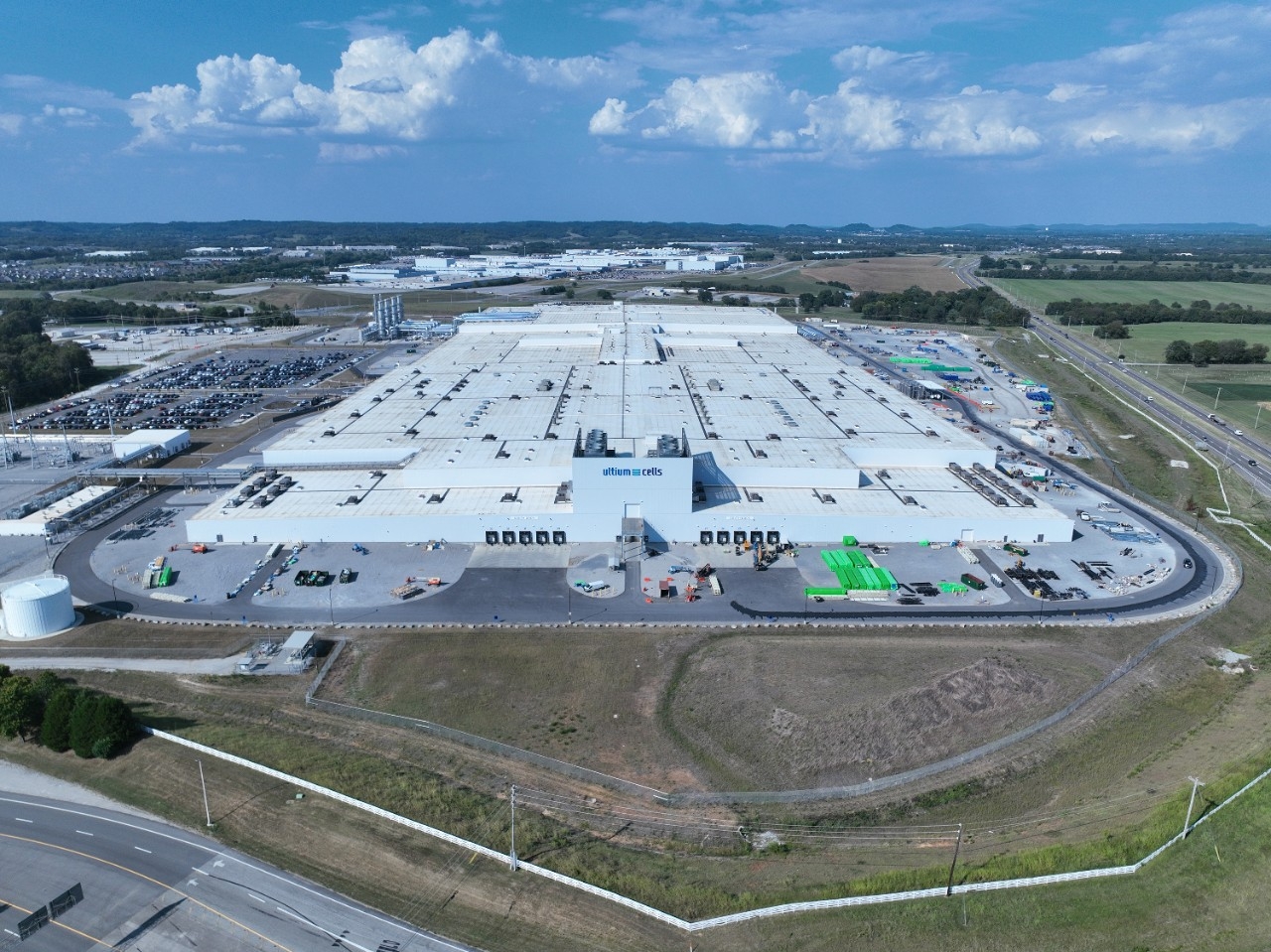
Ultium Cells, a joint venture between LG Energy Solution and General Motors, has decided to upgrade its battery cell manufacturing plant in Spring Hill, Tennessee, to produce low-cost lithium iron phosphate, or LFP, battery cells as it aims to expand its business portfolio.
According to the announcement on Tuesday, the conversion of battery cell lines at the Tennessee site will begin later this year. Commercial production is expected to begin by late 2027. The plant has been rolling out lithium-ion batteries using cathode materials, namely nickel, cobalt and manganese, to produce LFP cells.
“The upgrade reflects the continued strength of our partnership with General Motors and our shared commitment to advancing EV battery innovation,” said Suh Won-joon Suh, executive vice president and head of the Advanced Automotive Battery division at LG Energy Solution.
“We will bring our extensive experience and expertise in US manufacturing to the joint venture facility, further accelerating our efforts to deliver new chemistries and form factors that effectively capture the unmet needs in the EV market.”
The joint venture said that the cost for the upgrades will come from the $2.3 billion initial investment, which was first unveiled in 2021. It added that another Ultium Cells plant in Warren, Ohio, will continue manufacturing battery cells using nickel, cobalt, manganese and aluminum. The company said it aims for significant battery pack cost savings compared to today’s high-nickel battery pack and widened consumer EV choices with the LFP battery technology.
“At GM, we’re innovating battery technology to deliver the best mix of range, performance and affordability to our EV customers,” said Kurt Kelty, vice president of batteries, propulsion and sustainability at GM.
“This upgrade at Spring Hill will enable us to scale production of lower-cost LFP cell technologies in the US, complementing our high-nickel and future lithium manganese rich solutions and further diversifying our growing EV portfolio."
According to the International Energy Agency’s Global EV Outlook 2025 report, LFP batteries made up almost half of the global EV battery market last year with China leading the surge of the lower-cost battery products. The reports showed that LFP batteries accounted for approximately 80 percent of the batteries sold in China during the final two months of last year.
“LFP batteries have now reached a performance level sufficient for most EV applications, making their lower cost a key advantage for automakers aiming to mass markets,” said the report.
The IEA report added that although the battery production capacity in the US reached over 200 gigawatt-hours in 2024 — an over two-fold increase since 2022 — the cost of production in America remains higher than Asia, while sudden policy shifts could affect the battery industry to increase production costs or slow expansion in the near- to mid-term future.
hwkan@heraldcorp.com