Amar Gill calls for stronger independent directors, investor engagement to overcome ‘Korea discount’
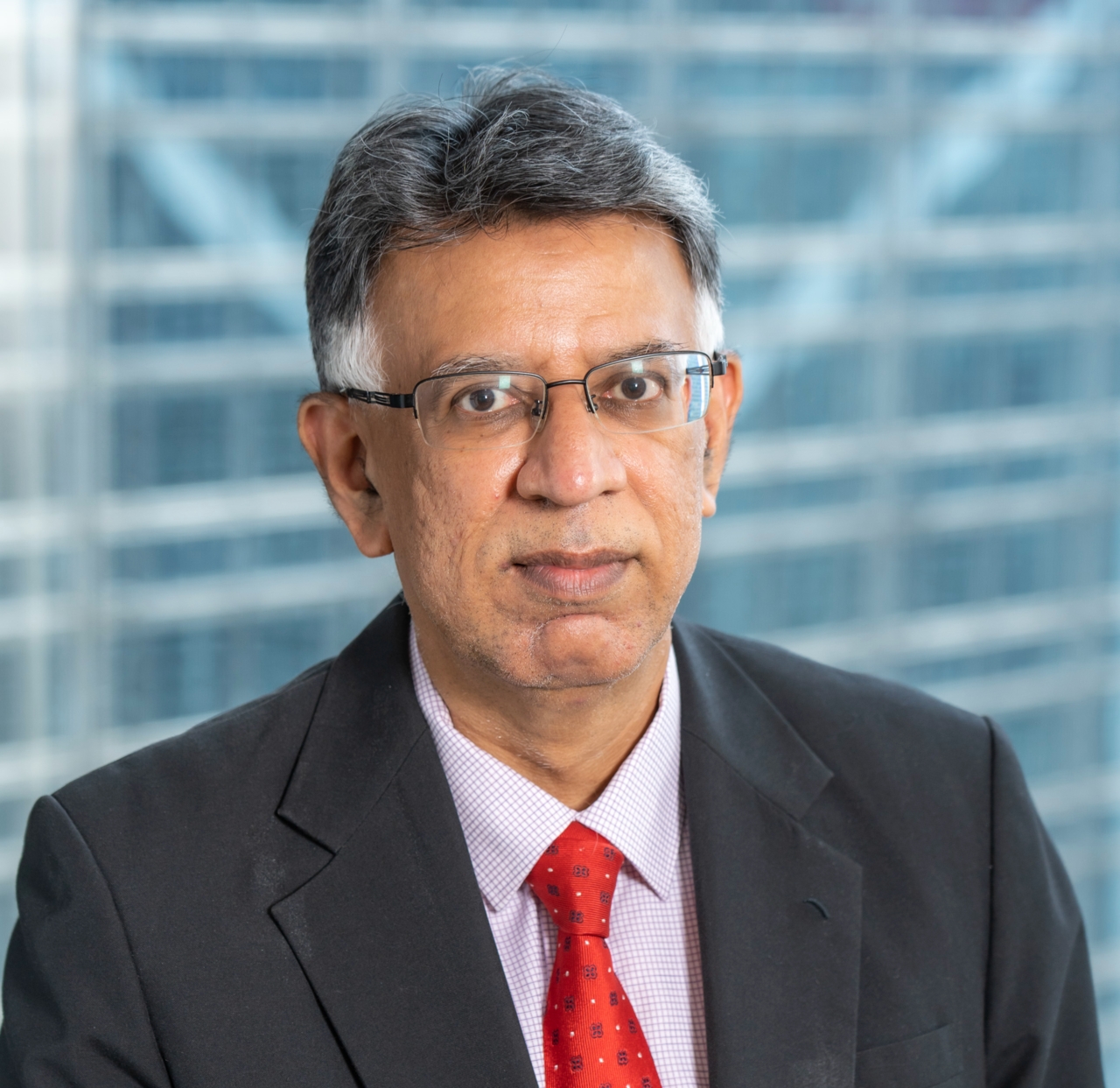
South Korean companies must strengthen board independence and deepen investor engagement to boost market valuations, according to Amar Gill, secretary general of the Asian Corporate Governance Association.
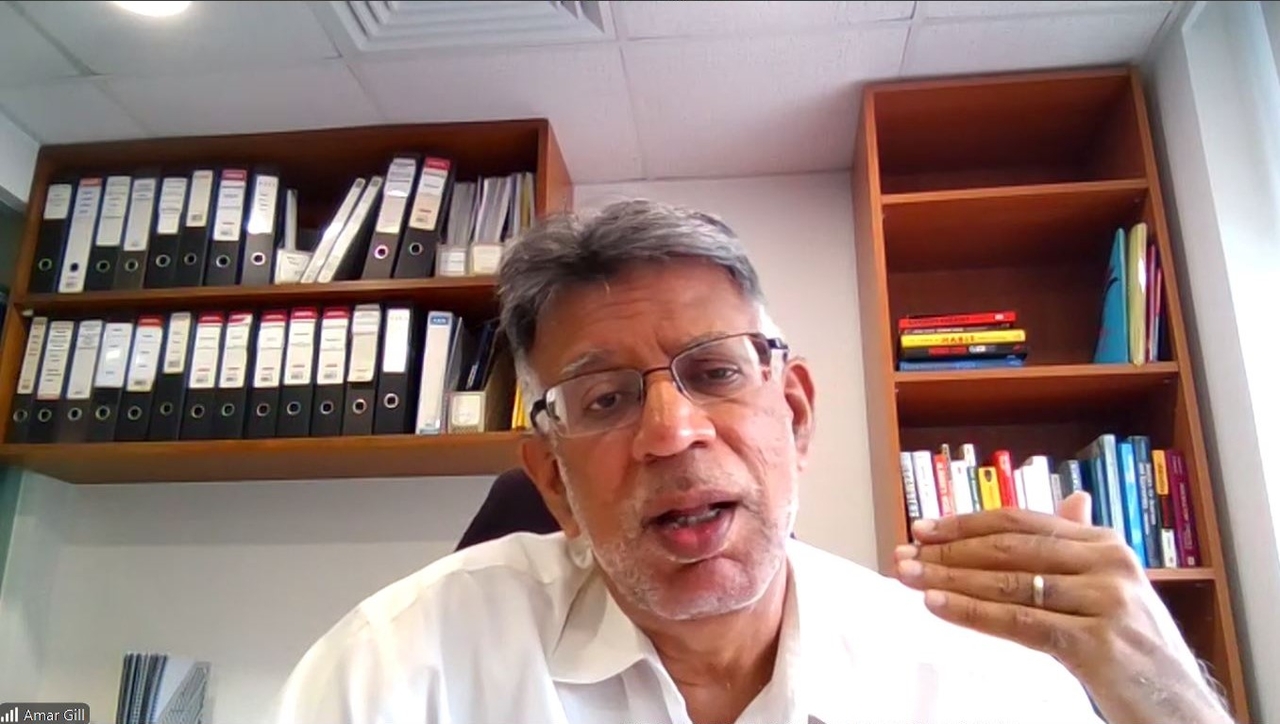
“The issue in Korea is that independent directors are not empowered,” Gill said in a recent interview with The Korea Herald. ACGA is Asia’s largest nonprofit body devoted to corporate governance, with 114 members worldwide, including heavyweight investors and companies.
“In Korea, the management is often backed by the chaebol families, and they determine the direction of the company. The overall board is often advisory, rather than exercising oversight.”
Gill sees investor outreach as the quickest remedy. When independent directors meet shareholders, they gain both market insight and leverage. “They're communicating the board's decisions to the market, and that gives them grounds to push back on the chaebol family and executive directors."
He emphasized the need for stronger systemic support, starting with an extension of the six-year term limit for independent directors. “The first two years are spent learning, which means independent directors have only three or four years to be effective.”
Professional training is also essential. “Korea does not have a functioning institute to train directors. That is quite shocking,” he said. In most advanced markets, nonprofit institutes funded by corporate sponsors offer education on governance and emerging industry issues.
Breaking chaebol dominance
Gill, a former managing director at BlackRock and Citic CLSA, said Korea’s corporate landscape is further complicated by so-called shadow directors — unelected insiders with outsized influence.
“This concept of an influential, non-elected director is also a unique aspect that undermines governance in Korea,” said Gill. “It’s hard to control them, which is why it’s important to have independent directors who are accountable to investors and actively engage with them.”
Rubber-stamp boards, he said, perpetuate a system where chaebol families retain group-wide control with minimal equity. The average direct stake held by founding families of major conglomerates like Samsung, SK and Hyundai was 3.5 percent as of last year.
Gill argued that this makes shareholder activism essential. “If other investors vote effectively, they can remove directors who aren’t doing their job and block proposals that go against shareholders’ interests.”
He dismissed fears that stronger oversight would destabilize firms. “That’s an unrealistic view in today’s fast-evolving business environment.”
Resisting outside perspectives, he warned, leads to tunnel vision and leaves companies ill-equipped to respond to rapid disruptions like artificial intelligence. “You need diverse representatives, and you need to listen to the marketplace.”
A necessary but nascent reform
Gill welcomed recent governance steps. On July 3, the National Assembly passed a revision to the Commercial Act aimed at bolstering board oversight and shareholder rights.
The amendments expand directors’ fiduciary duty to all shareholders, mandate electronic shareholder meetings, relabel “external directors” as “independent directors,” and extend the 3 percent voting cap on auditor appointments by controlling shareholders to include independent directors.
“These amendments are necessary. Particularly, expanding directors’ fiduciary duty is critical,” he said. “All board members must remember their duty is not only to the company but to all shareholders.”
Gill said the real test now will be whether independent directors are appointed and empowered to provide genuine oversight. He also called for external board evaluations by third-party consultants. “The main findings of these evaluations should be shared with investors so they get a real understanding of the board's functioning.”
Cumulative voting, which was left out of the revision, remains a missing piece. “With cumulative voting, minority investors can elect a proportional number of board members, allowing shareholder rights to be more accurately reflected.”
Fixing Korea’s market discount
Poor governance contributes significantly to the persistent underperformance of Korean stocks, or the “Korea discount,” Gill argued.
“Korea has the lowest payout ratio among major markets. Keeping around 80 percent of profits means shareholders aren’t being fairly rewarded,” he said, citing Korea's roughly 26 percent payout ratio — well below the 60 percent typical in developed markets.
Low returns on equity, he said, reflect poor capital management. “When return on equity is lower than the cost of equity, it means companies are destroying value, leading to low market valuations.”
Targeted reforms, starting with higher dividends, could quickly improve returns and lift valuations, Gill said. “Raising payouts by distributing excess cash would reduce equity on the balance sheet, boosting ROE.”
Gill said the government’s “Value-Up” program has potential but needs sharper execution.
“There needs to be some 'naming and shaming' to boost participation—such as a whitelist and blacklist—to pressure companies to develop proper plans and engage meaningfully with their investors.”
jwc@heraldcorp.com