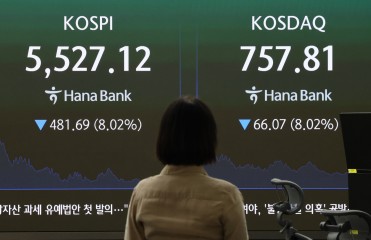
A photo recap of four months of political chaos in South Korea, from martial law to today's verdict of Yoon's impeachment and his removal

South Korea just removed its president in a historic, sometimes chaotic impeachment saga. After months of turmoil, protests and a high-stakes trial, the Constitutional Court ruled today to oust President Yoon Suk Yeol. Here’s what happened over the past 122 days — from Dec. 3, 2024 to April 4, 2025 — in photos.

Dec. 3-14: Martial law, political meltdown, impeachment
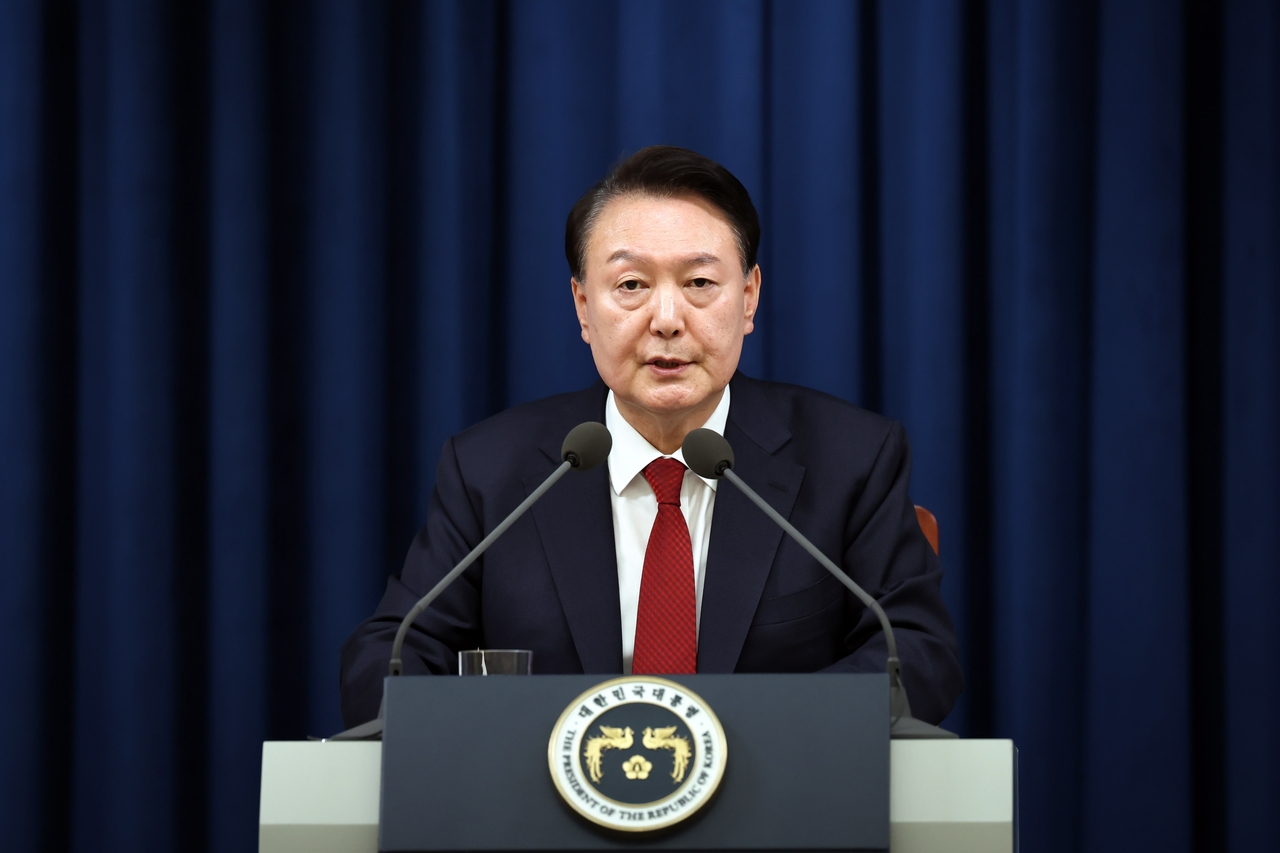
President Yoon Suk Yeol announces his declaration of martial law in a nationally televised address on Dec. 3, 2024. (Yonhap)

In a surprise late-night announcement that plunged South Korea into months of political chaos, President Yoon Suk Yeol declared martial law on Dec. 3, 2024, in a televised national address. Claiming that the country was under threat from "antistate forces," he accused opposition lawmakers of subversion and disrupting democratic functions.

The martial law decree, however, lasted for only about six hours, as the National Assembly rushed to reach a quorum and voted to revoke it early the next morning.
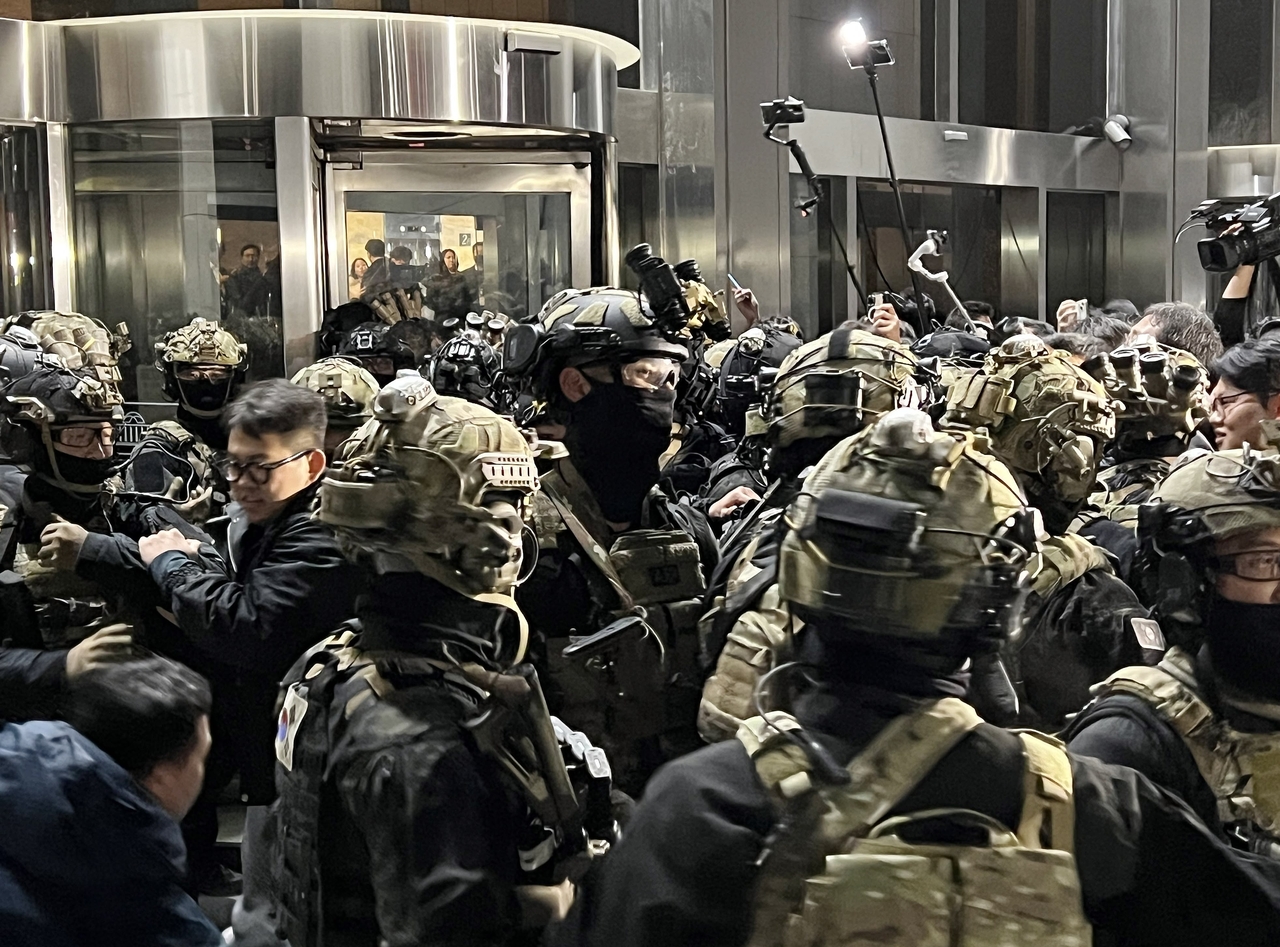
In the wee hours of Dec. 4, 2024, soldiers in full combat gear attempt to block access to the National Assembly, as lawmakers rush to nullify the president’s martial law decree in an emergency vote. (Yonhap)
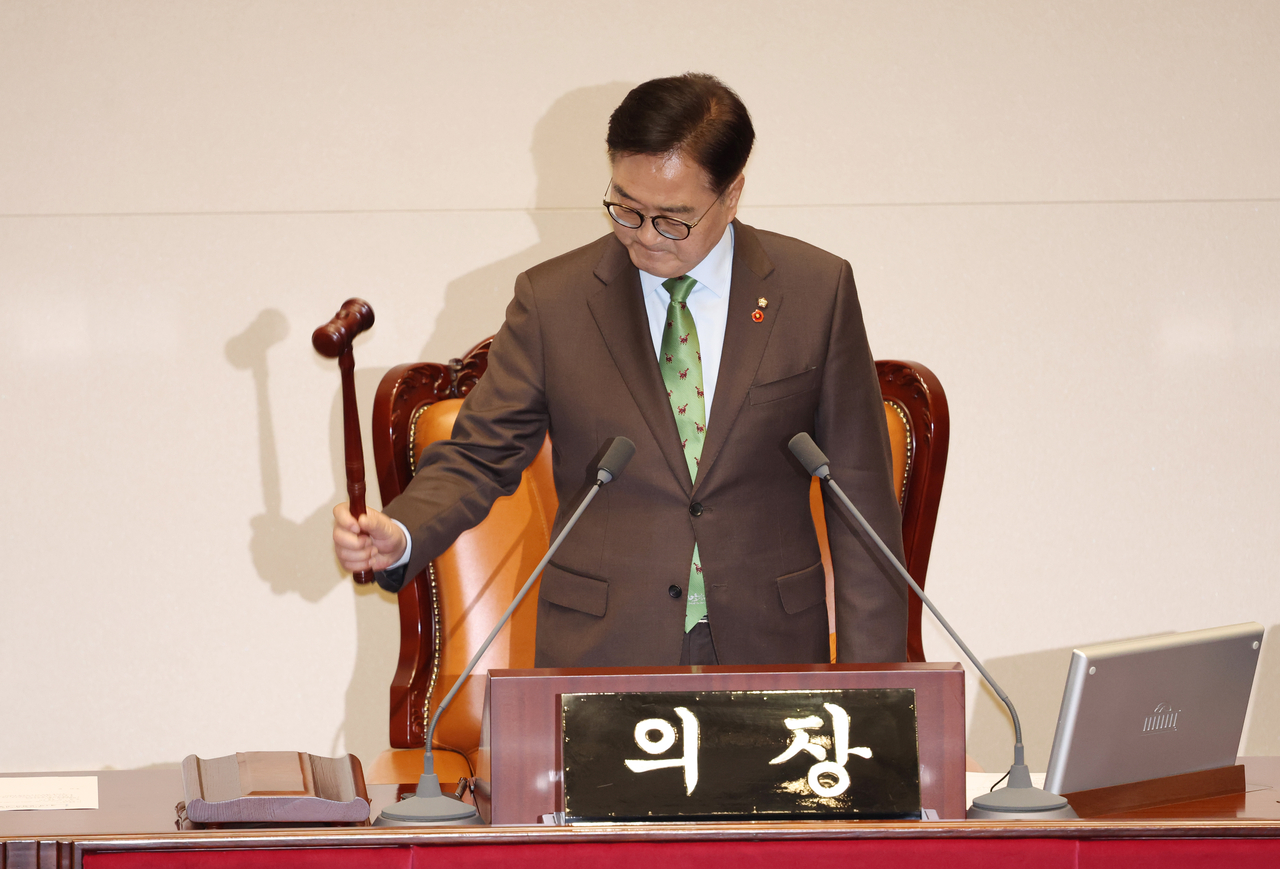
On Dec. 14, 2024, after a tense plenary session, National Assembly Speaker Woo Won-shik announces the passage of a motion to impeach Yoon Suk Yeol, immediately suspending him from duty. (Lee Sang-sub/The Korea Herald)
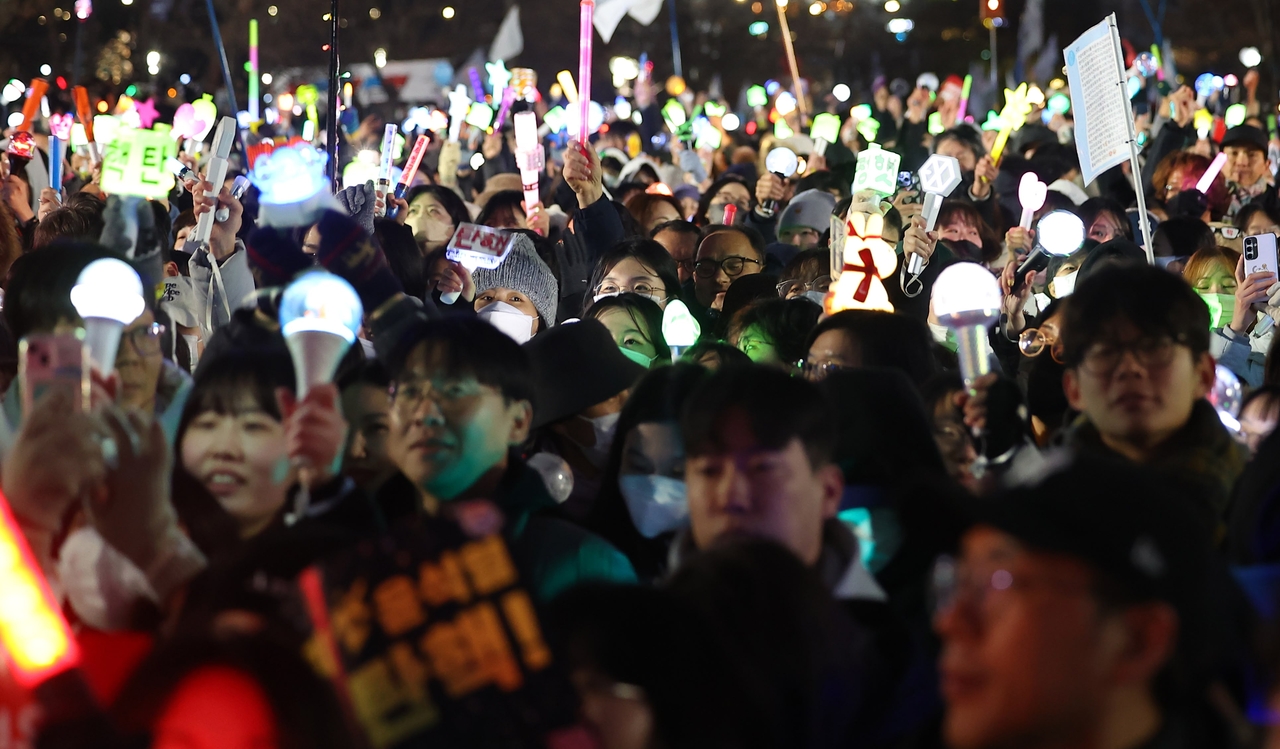
After the vote to impeach President Yoon Suk Yeol was passed on Dec. 14, 2024, massive crowds outside the National Assembly celebrate, waving light sticks and singing protest anthems. (Yonhap)

January: Yoon arrested, protests flood streets, sides harden

Having been suspended from office, Yoon faced investigations into his actions, which prosecutors later labeled as insurrection in their Jan. 26 indictment. After repeatedly ignoring summons for questioning and resisting a court-issued arrest warrant, Yoon was eventually taken into custody on Jan. 15.

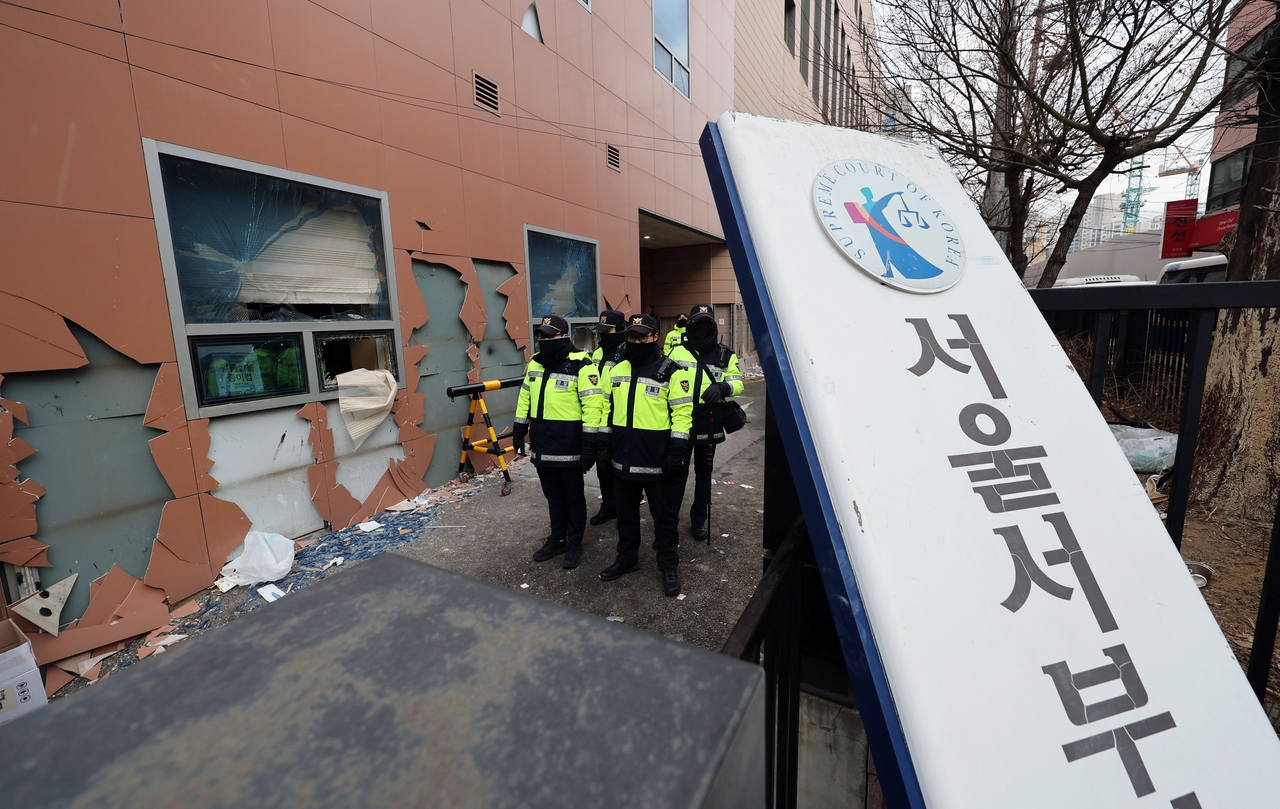
The conservative president's staunch supporters, growing in number, increasingly took to the streets. On Jan. 18, a mob of Yoon supporters attacked a courthouse following its approval of an arrest warrant for the president.
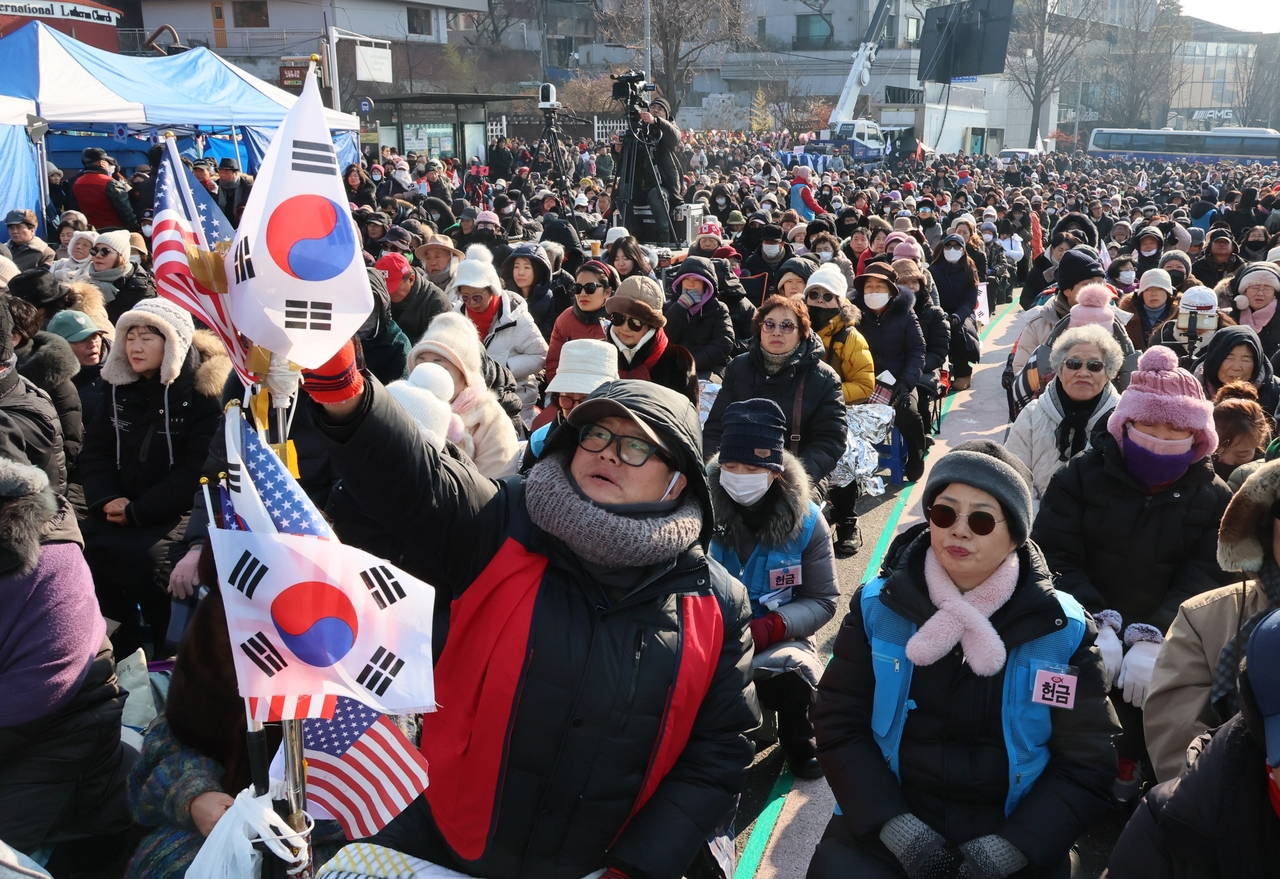
On Jan. 12, thousands of pro-Yoon demonstrators fill the streets near his residence, waving flags and chanting against impeachment. Many echo slogans from US right-wing rallies, accusing the opposition of staging a political coup. (Yonhap)
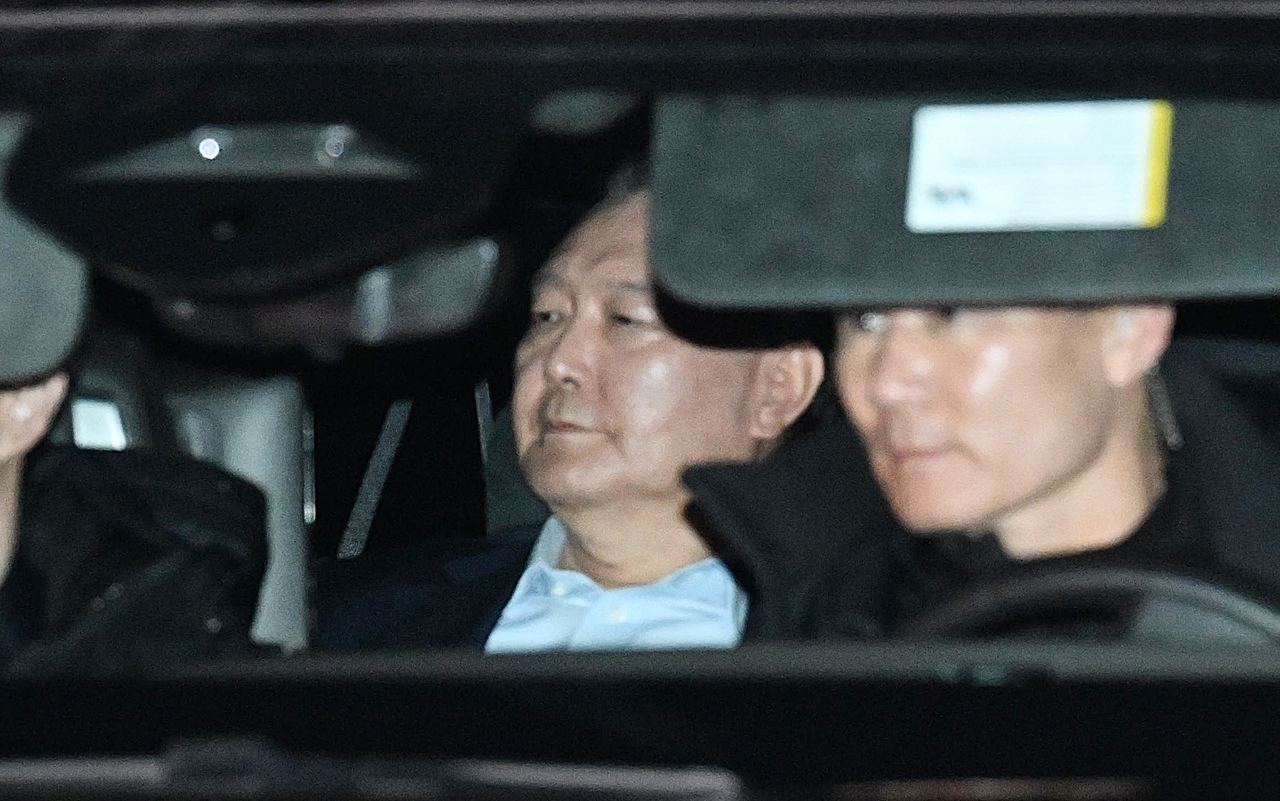
On Jan. 15, Yoon is taken into custody and transferred to the Seoul Detention Center, becoming the first sitting Korean president to be detained. (Yonhap)
On Jan. 19, shortly after the Seoul Western District Court approved a formal arrest warrant for the president, Yoon Suk Yeol's die-hard supporters storm the courthouse in an unprecedented attack on the judiciary in South Korea’s recent democratic history. (Yonhap)

January–February: Courtroom drama unfolds

While kept behind bars, Yoon was able to attend his impeachment trial at the Constitutional Court, from the third to the 11th and final hearing, creating one of the most high-profile courtroom dramas in the country's history.
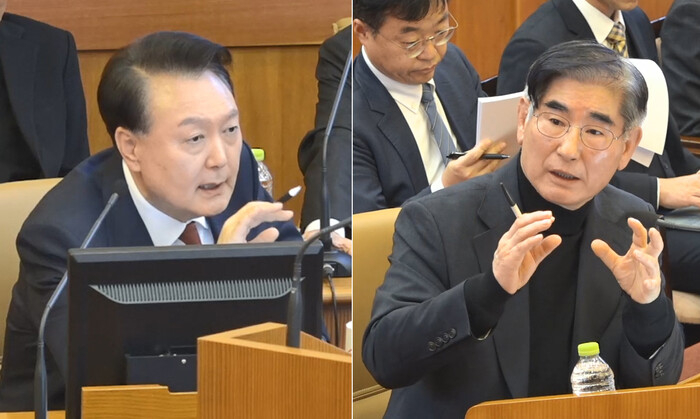
At the fourth hearing of his impeachment trial on Jan. 23, Yoon Suk Yeol (left) personally questions former Defense Minister Kim Yong-hyun, who admits to advising the martial law declaration, but denies any plot to physically disrupt parliament. (Constitutional Court)

March: Yoon released from jail, court deliberations continue

In another unexpected turn of events, President Yoon was released from jail on March 8, a day after a court canceled his arrest, citing procedural errors on the part of the prosecution. Yoon's release was hailed by his supporters and the ruling People Power Party.

The Constitutional Court kept the nation waiting for any word on its ruling, however, as the justices continued South Korea's longest deliberation in a presidential impeachment case since the conclusion of hearings on Feb. 25.
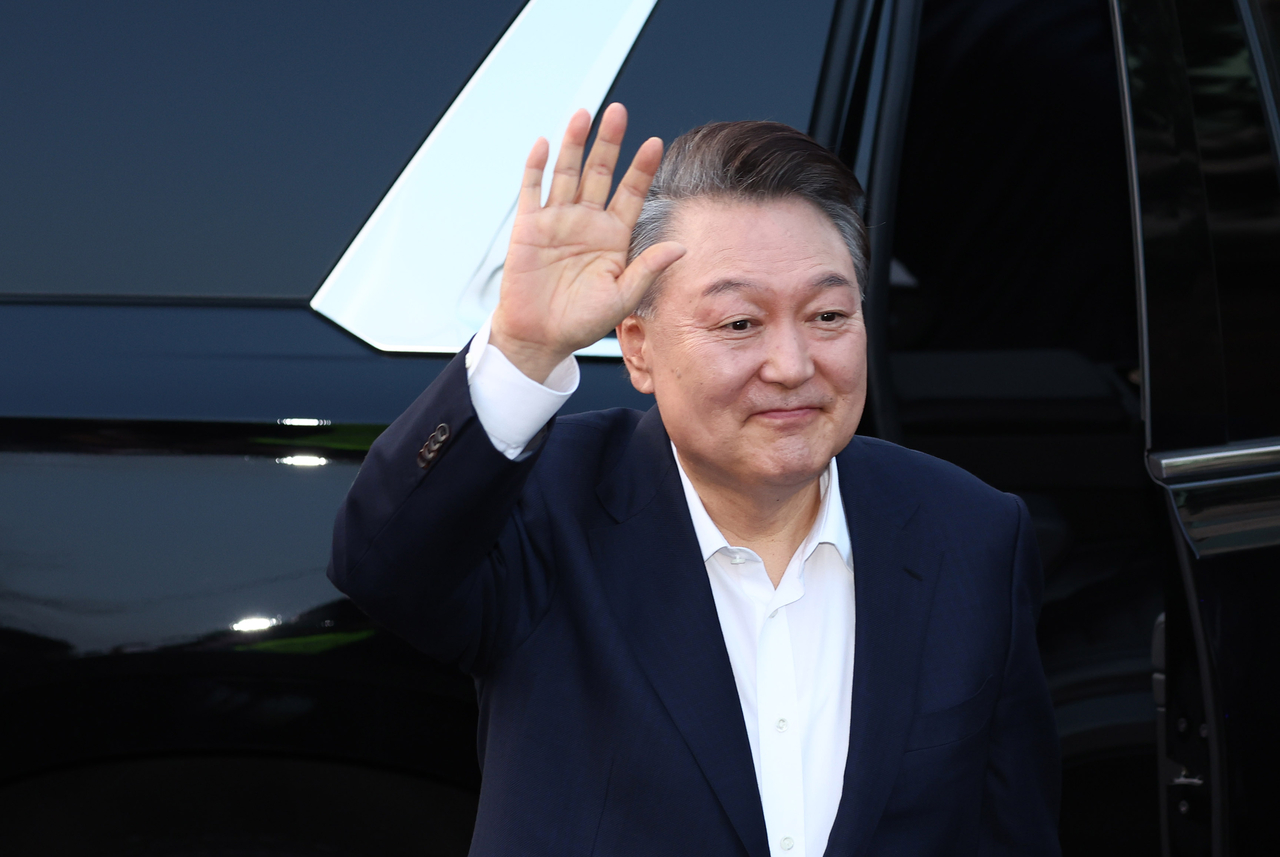
On March 8, President Yoon Suk Yeol is released after 52 days in custody due to a procedural error in his indictment. Outside his residence in Hannam-dong, Seoul, he gestures to supporters and vows to “restore the rule of law.” (Yonhap)

April 4: Yoon ousted in unanimous 8–0 court ruling

In a landmark decision, the Constitutional Court ruled 8–0 to uphold the impeachment of President Yoon Suk Yeol, permanently removing him from office. This marks the second time in South Korean history that a sitting president has been dismissed by the court.

The verdict sent shock waves across the country, prompting cheers in central Seoul and stunned silence among Yoon’s supporters. Acting President Han Duck-soo will remain in office until a new presidential election is held within 60 days, as mandated by law.
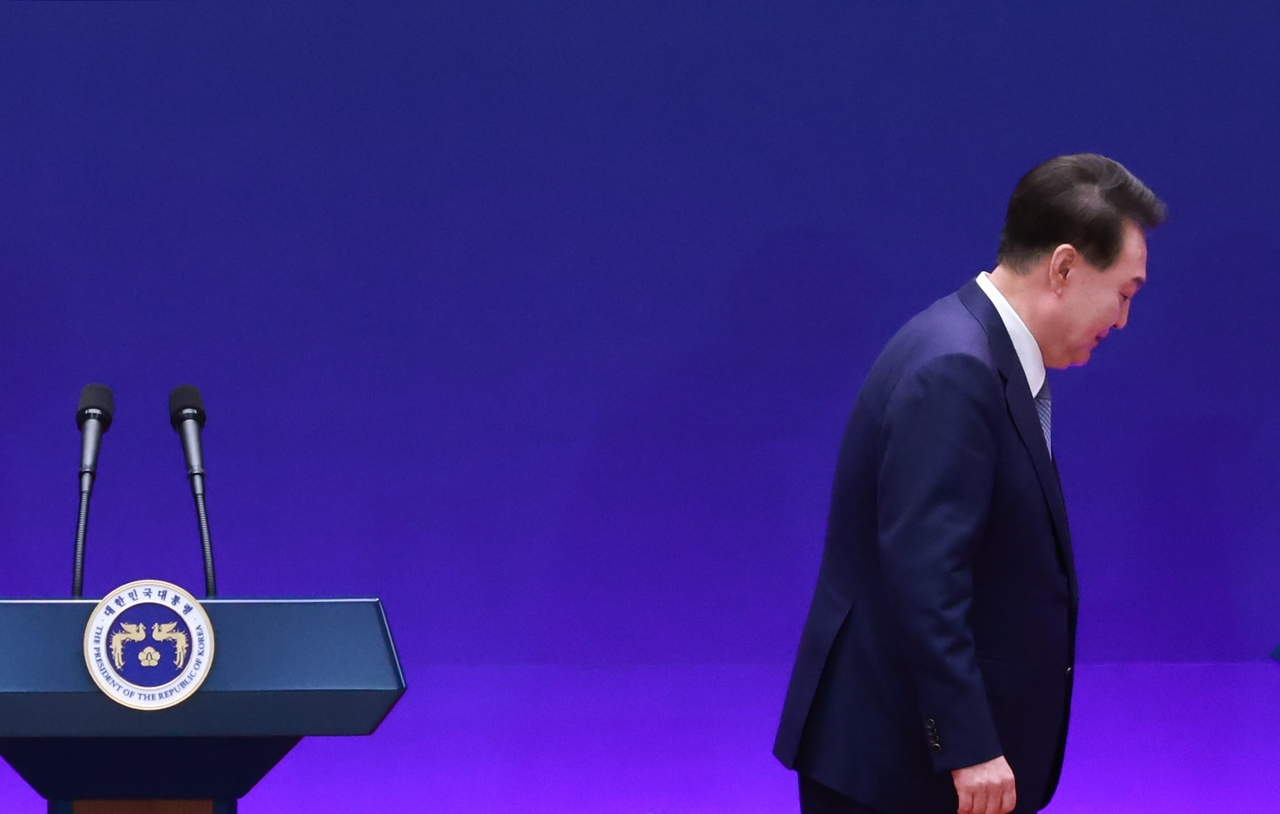
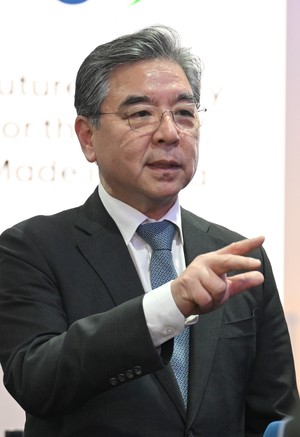
Captured in May 2024, former President Yoon Suk Yeol steps away from the podium following a Korea–Japan–China summit. He was formally removed from office on April 4, 2025, after a unanimous Constitutional Court ruling. (Yonhap)

mjh@heraldcorp.com