Experts say the musician's latest comeback cements his legacy and sets a model for K-pop idols seeking longevity
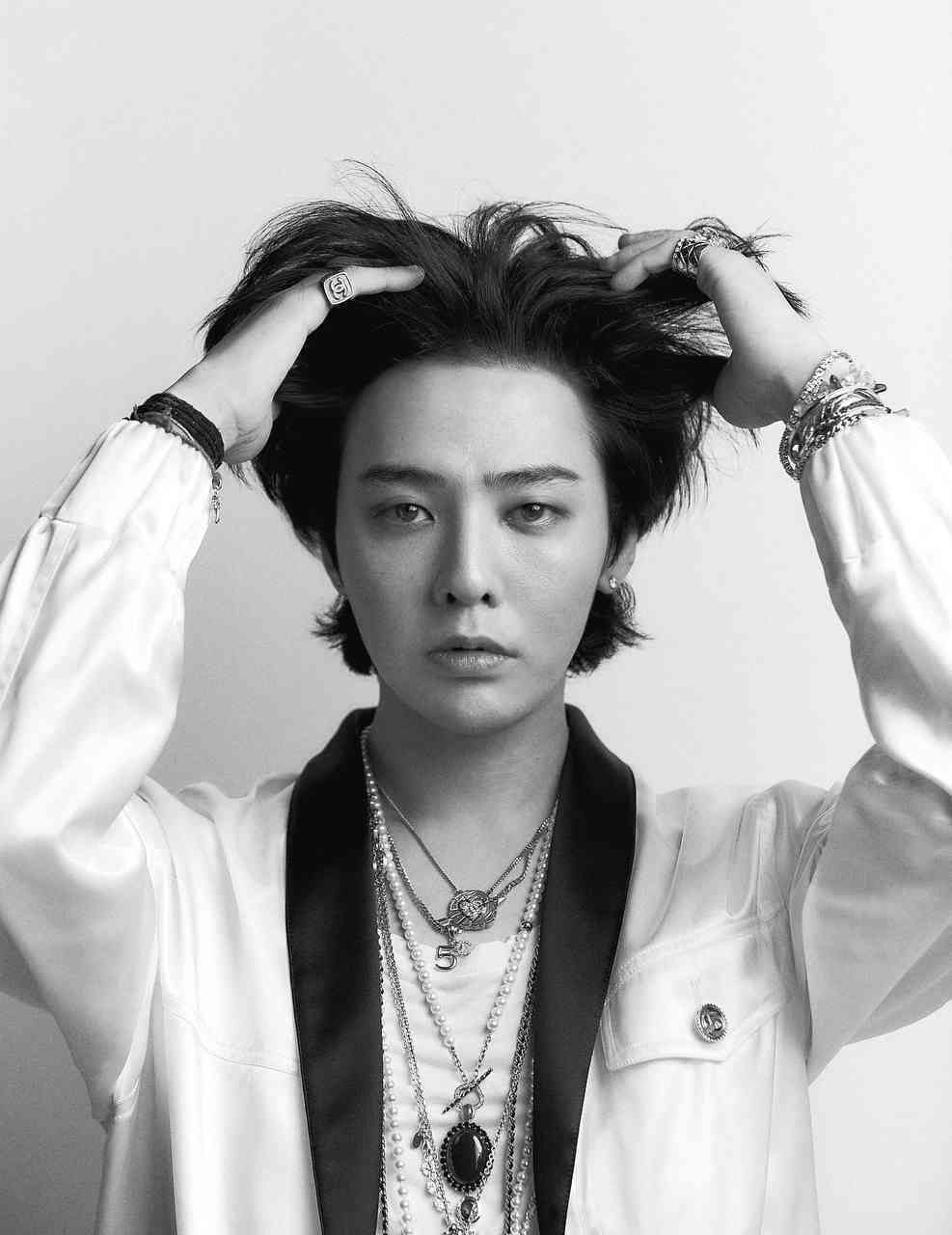
G-Dragon, often referred to as the "King of K-pop," made his long-awaited return Tuesday with his third solo studio album, "Ubermensch." It is his first LP release in nearly 11 1/2 years.
Upon the album's release, the main track "Too Bad" quickly climbed to the top of four major domestic music charts, including Melon, Genie, Bugs and Vibe, reaffirming his influence as an artist who remains at the forefront of the industry.
Industry insiders attribute his continued success to G-Dragon's unparalleled producing skills and his global status as a fashion icon. Many believe that the latest comeback not only strengthened his legacy but also served as a model for younger K-pop artists navigating long-term careers in the fickle industry.
Music critic Kim Jakka emphasized that G-Dragon’s return carries significant weight, adding that his longevity in the industry is largely due to his ability to evolve as an artist.
"For an idol to have a long-lasting career, artistic evolution is essential. This applies not only in Korea but also globally. Artists like Justin Timberlake and Madonna have shown that the ability to self-produce and shape one's own musical and stylistic identity is critical. It’s an unavoidable necessity," Kim said Wednesday.
From K-pop idol to global icon
G-Dragon debuted in 2006 as a member of Big Bang under YG Entertainment. The group, known for blending hip-hop, R&B and electronic music, quickly gained popularity in the mid-2000s and early 2010s through their experimental sound, self-produced tracks and unparalleled stage presence.
As a soloist, G-Dragon’s first #studio album "Heartbreaker," released in 2009, won album of the year at the 2009 Mnet Asian Music Awards (MAMA). His 2013 album "Coup d’Etat" made him one of the first K-pop acts to land multiple entries on the Billboard 200, while "Kwon Ji Yong," unveiled in 2017, topped the Billboard World Albums chart.
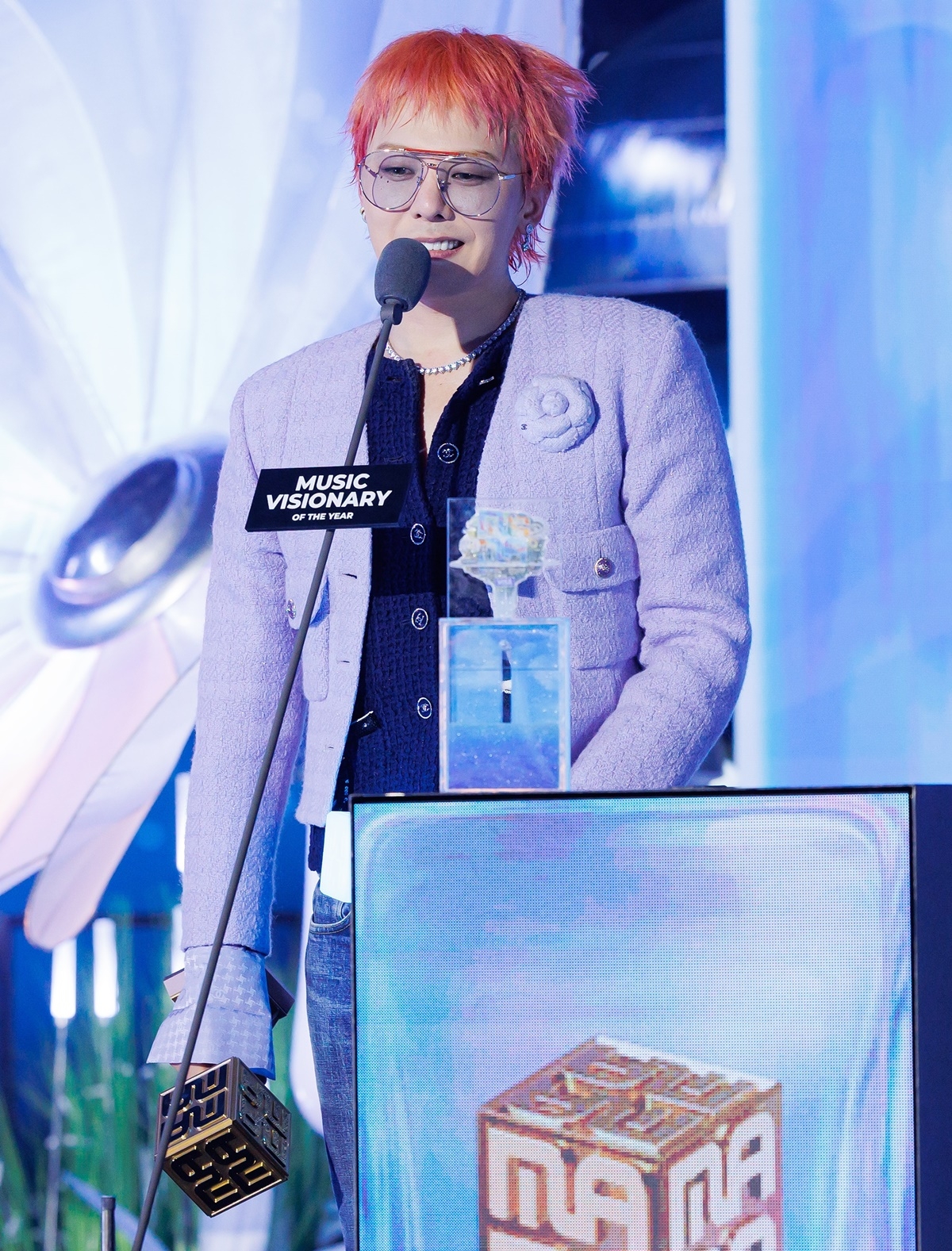
Beyond music, G-Dragon has established himself as a global fashion icon.
Known for his bold and trendsetting style, he became a global ambassador for Chanel in 2016, one of the first Asian artists to represent the French luxury brand. That same year, he launched his fashion label, Peaceminusone, merging high fashion with streetwear and further cementing his influence.
"G-Dragon was the driving force behind Big Bang’s artistic direction, and even back then, he stood out as a fashion leader," Kim said. "That’s why, even after so many years, he’s still regarded as an artist rather than just a nostalgic figure. People remain curious about what he will do next."
Controversies and challenges
Despite his success, G-Dragon has faced personal and professional challenges. In 2011, he tested positive for marijuana but was not formally charged. More recently, in October 2023, he was investigated for alleged drug use but was cleared of all charges two months later.
Big Bang’s future also remains uncertain following the departures of multiple members. Seungri retired in 2019 amid the Burning Sun scandal, while T.O.P, Daesung and Taeyang left YG Entertainment in 2023. G-Dragon followed suit in December, signing with Galaxy Corporation to pursue his solo career as an independent artist.
Despite these challenges, G-Dragon remains committed to his solo career and he expresses his intent to continue as an independent artist.
A role model for the next generation
Culture critic Jung Deok-hyun highlighted the sustainability of G-Dragon’s career, noting that his longevity is a key talking point in K-pop.
"K-pop idols have traditionally been confined within the 'idol' label, which distances them from being seen as true artists. G-Dragon broke that mold," Jung said.

He also pointed out that G-Dragon challenged international perceptions of K-pop idols as mass-produced musicians.
"Outside of Korea, K-pop idols are often viewed as factory-made entertainers, but G-Dragon shattered that stereotype. This is something younger artists should learn from. At last year’s MAMAs in Japan, you could see today’s active idols reacting to G-Dragon as if they were watching their role model," he added.
jaaykim@heraldcorp.com