From universal device chargers to increased parental benefits: 313 changes in the new year
The South Korean government recently published the latest edition of its biannual guide to new government policies, detailing 313 changes across the 39 bodies of the government that are being enacted in the new year.
The changes include policies to tackle the country's record-low birthrate, raising the hourly minimum wage above 10,000 won ($6.80) mark for the first time, and instituting mandatory child-protection features on Instagram.
Here are some of the new policies slated for 2025, the full list of which is available for download at the homepage of the Ministry of Economy and Finance.
Boost in child care policies
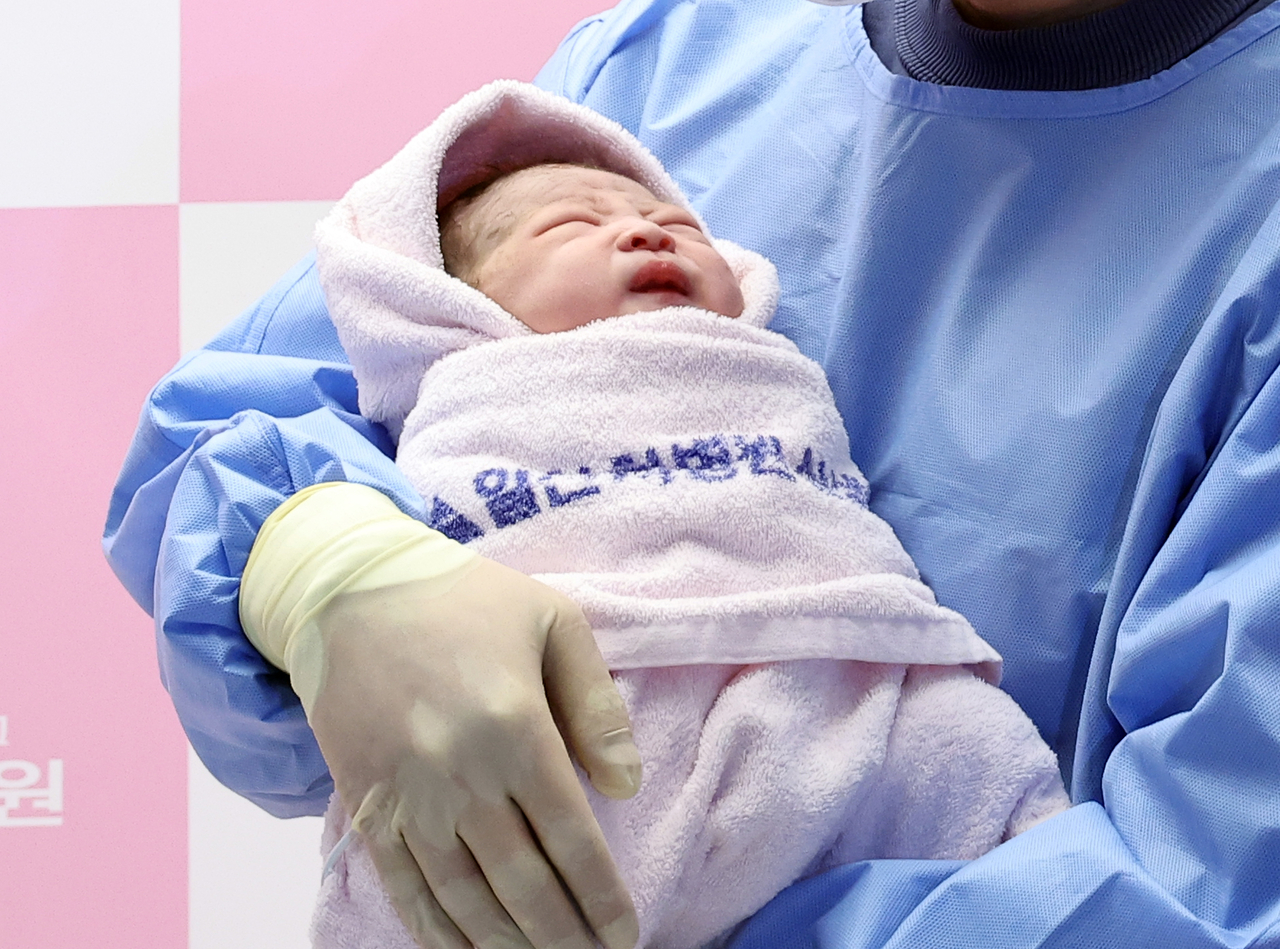
Starting Jan. 1, the upper limit for parental leave benefits has been increased to 2.5 million won per month, up from the previous maximum of 1.5 million won per month. Under the new policy, parents taking maternal or paternal leave will receive 2.5 million won per month for the first three months, 2 million won for the subsequent three months, and 1.6 million won per month from the seventh month of parental leave.
A single parent on leave can receive up to 3 million won for the first three months.
The government has also scrapped its system of companies withholding a quarter of the parental leave benefits to be paid six months after an employee returns to work, mandating that companies pay the full benefit during the period of leave.
This is part of a plan to raise the country's low birth rate, which also includes an exemption from taxes on employee childbirth subsidies paid by companies.
Minimum wage set at 10,030 won
South Korea's minimum wage has been set at 10,030 won per hour, which means the monthly wage for those working a standard 40 hours a week for minimum wage rises to 2.1 million won.
The country also strengthened punishments for overdue wages, as employers suspected to be habitual violators being subject to a number of penalties, including restrictions in applying for state subsidies or projects.
Deposit insurance limit upped to 100 million won
The government-backed insurance coverage for deposits at financial institutions has been raised to maximum of 100 million won -- double the previous figure of 50 million -- marking the first increase since the policy was introduced in 2001.
This means if a bank fails or its business is suspended, the Korea Deposit Insurance Corp. will reimburse customers for deposits of up to up to 100 million won per person that were entrusted to the troubled institution.
In other good news for borrowers, early repayment charges on loans will be significantly lowered starting Jan. 13.
Standardized chargers for all mobile devices
The USB Type-C will become the standardized charging and transferring means for smaller electronic products sold in South Korea starting Feb. 14.
With the move, South Korea is following the EU in pushing for common chargers for various mobile devices, placing pressure on Apple, whose iPhones use unique proprietary chargers. Policymakers say the change will help reduce waste and consumer inconvenience.
Under the policy, Type-C charging ports will be required on 12 types of small gadgets and electronic devices sold in South Korea, including mobile phones, tablet PCs, digital cameras, headphones, headsets, portable video game devices, portable speakers, e-book readers, keyboards, computer mice, portable GPS navigation devices and earphones.
Laptop computer makers, however, have been given more time to prepare, with the mandate for their products to take effect on April 1, 2026.
Online identity verification for Koreans overseas
Citizens living overseas have recently been given access to online identification services enabling them to use electronic passports, overseas residence information, and facial recognition to identify themselves for the purpose of using online services in Korea.
Teen accounts for Instagram enacted in Korea
The social media platform Instagram has introduced a teen accounts function for South Korea, which turns many privacy settings on by default for users under 18. This includes making the teens' content unavailable to non-followers, and making them actively approve all new followers.
Children aged 13 to 15 can adjust the settings by adding a parent or guardian to their account.
minsikyoon@heraldcorp.com