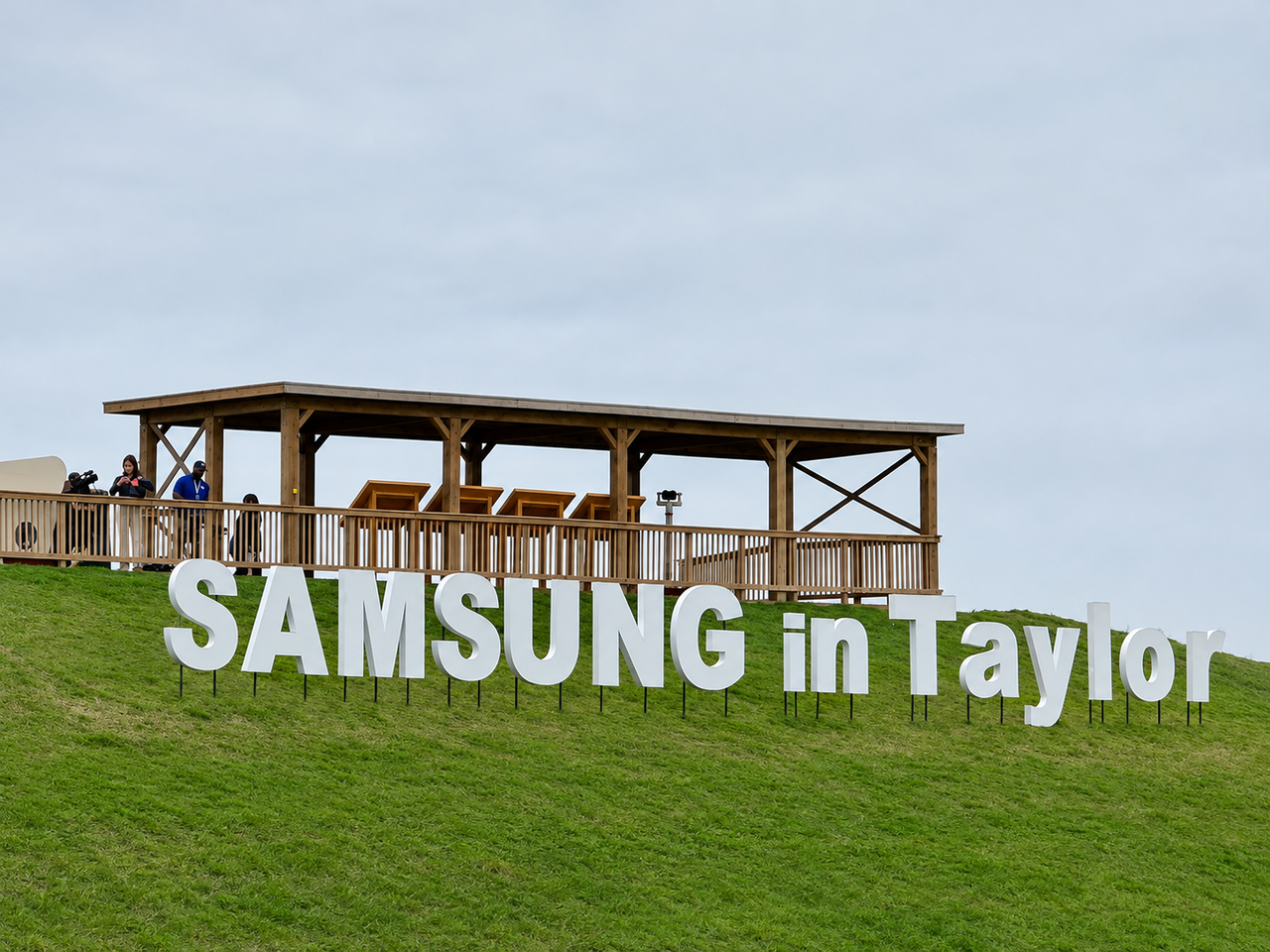
Samsung Electronics is reportedly preparing to begin trial operations at its new chip foundry in Taylor, Texas, as early as December, ahead of planned mass production next year.
The South Korean chipmaker has been installing manufacturing equipment, setting up production lines and conducting performance checks at the facility, according to industry sources Saturday.
Trial operations could begin around mid-to-late December. Samsung has not confirmed a date.
Samsung Austin Semiconductor, the company's US manufacturing subsidiary, is also recruiting engineers specializing in etching, metallization and ion implantation, along with technical instructors to train new employees.
The preparations follow Samsung's confirmation last month that its first Taylor plant is expected to be fully operational by the end of this year.
Samsung spokesperson Michele Glaze confirmed the timetable in late October. The company has separately indicated that production at the facility will ramp up in 2027.
Trial operations would involve testing production equipment and manufacturing processes before commercial production begins. Samsung will also need to stabilize yields, a critical factor in producing chips using its advanced 2-nanometer technology.
The Taylor plant is expected to manufacture Tesla's next-generation AI6 chips under a $16.5 billion supply agreement announced last year. Production of the chips is planned for the second half of 2027.
Samsung began building the facility in 2022, initially targeting operations in the second half of 2024. The project has since been delayed by about two years.
The company is also expected to begin construction of a second Taylor plant this month, following its July announcement that the facility would enter mass production in 2030.
Samsung has reportedly also secured orders to produce logic base dies for high-bandwidth memory chips destined for AMD and Nvidia at the second plant, according to industry sources. The reported contracts have not been publicly confirmed.
Samsung remains a distant second to Taiwan's TSMC in the global contract chipmaking market. According to market researcher TrendForce, Samsung held a 5.9 percent share of global foundry revenue in the second quarter, compared with TSMC's 72.5 percent.
mjh@heraldcorp.com