Snohetta co-founder Kjetil Traedal Thorsen, architect behind opera houses in Oslo, Shanghai and Busan in 2028, discusses how architecture can shape public life, express a city’s identity
For centuries, opera houses have stood as monuments to high culture — grand stages where art, wealth and prestige converge.
But for architect Kjetil Traedal Thorsen, the opera houses of the 21st century should be as much a part of everyday civic life as they are destinations for the arts.
Thorsen is the co-founder of Snohetta, the Norwegian contemporary architecture firm behind an opera house that opened in Shanghai last week and another scheduled to open in Busan in 2028. It also designed the Norwegian National Opera and Ballet in Oslo, which opened in 2008.
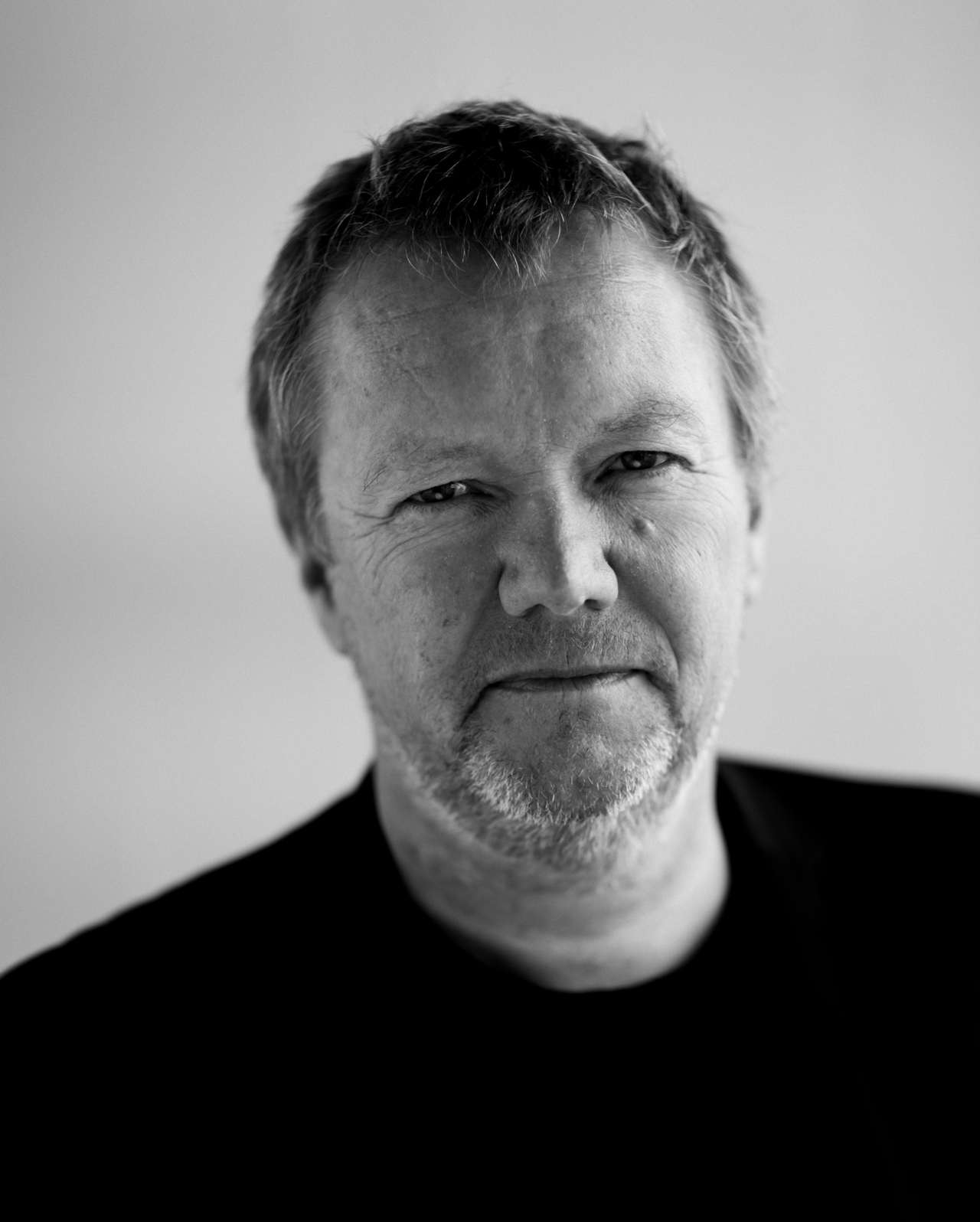
In an interview coinciding with the opening of the Shanghai Grand Opera House, he told The Korea Herald that these buildings must function as more than world-class performance venues.
“When the Oslo Opera House opened, one of our central ambitions was to make an opera house that feels accessible to people who might never attend an opera. At the time, this was still a relatively radical proposition. Cultural institutions were often perceived as destinations for a particular audience rather than places belonging to the city as a whole,” Thorsen said.
That conviction has only grown stronger since, he said.
“An opera house should be a place people can inhabit as citizens before they inhabit it as audiences,” he said.
What Oslo taught him most was that people use public buildings in ways architects never anticipate. Residents met friends on the roof, exercised there, watched sunsets and marked milestones without ever buying a ticket.
“What surprised me was the extent to which the public embraced the building as their own. People did not treat it as an architectural object. They treated it as part of the city,” he said.
Three waterfronts
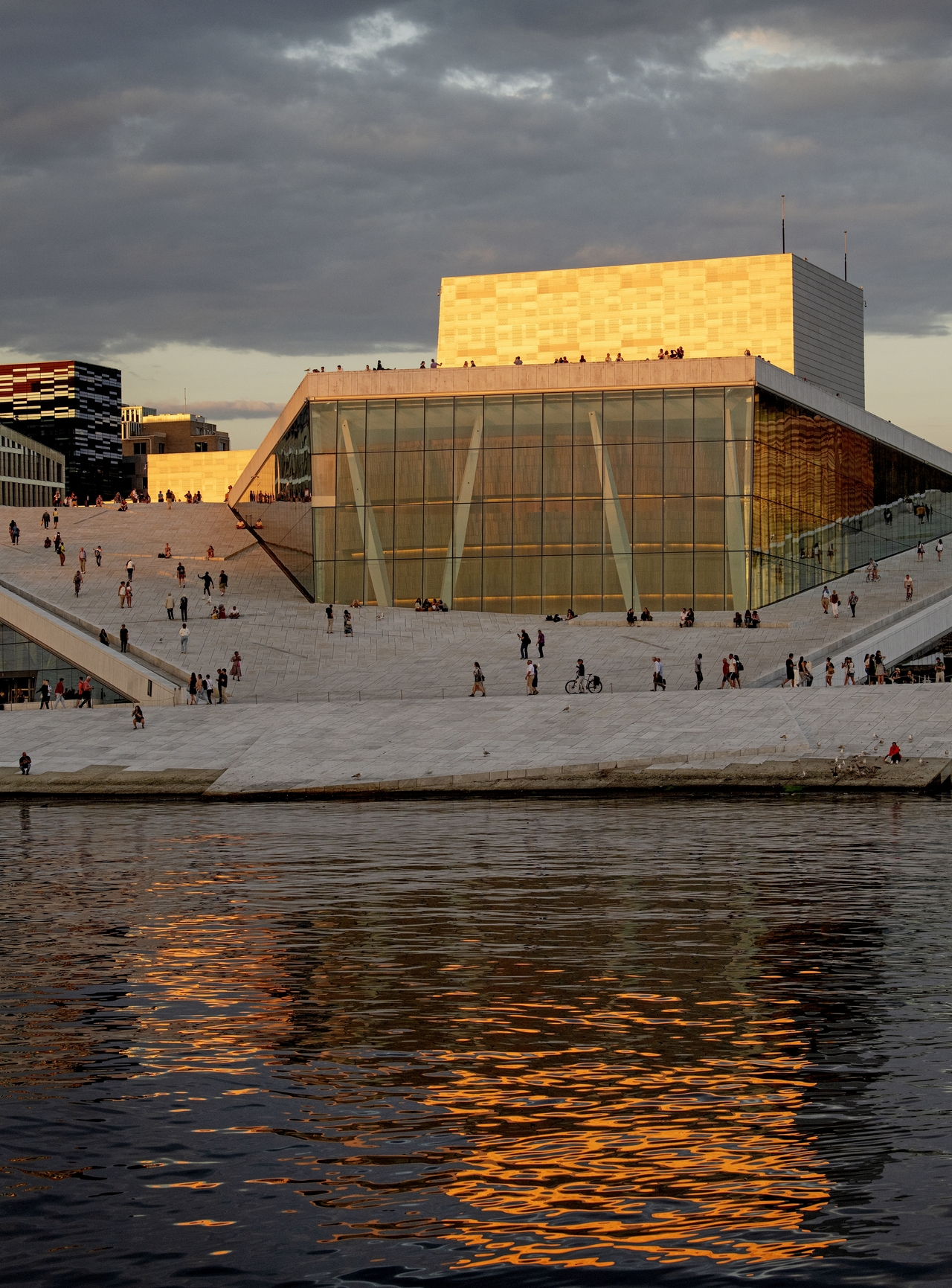
Seen side by side, the three opera houses share a common approach. Each sits on the water. Each treats its roof as public ground. Each lets people reach that roof without passing through a ticket gate.
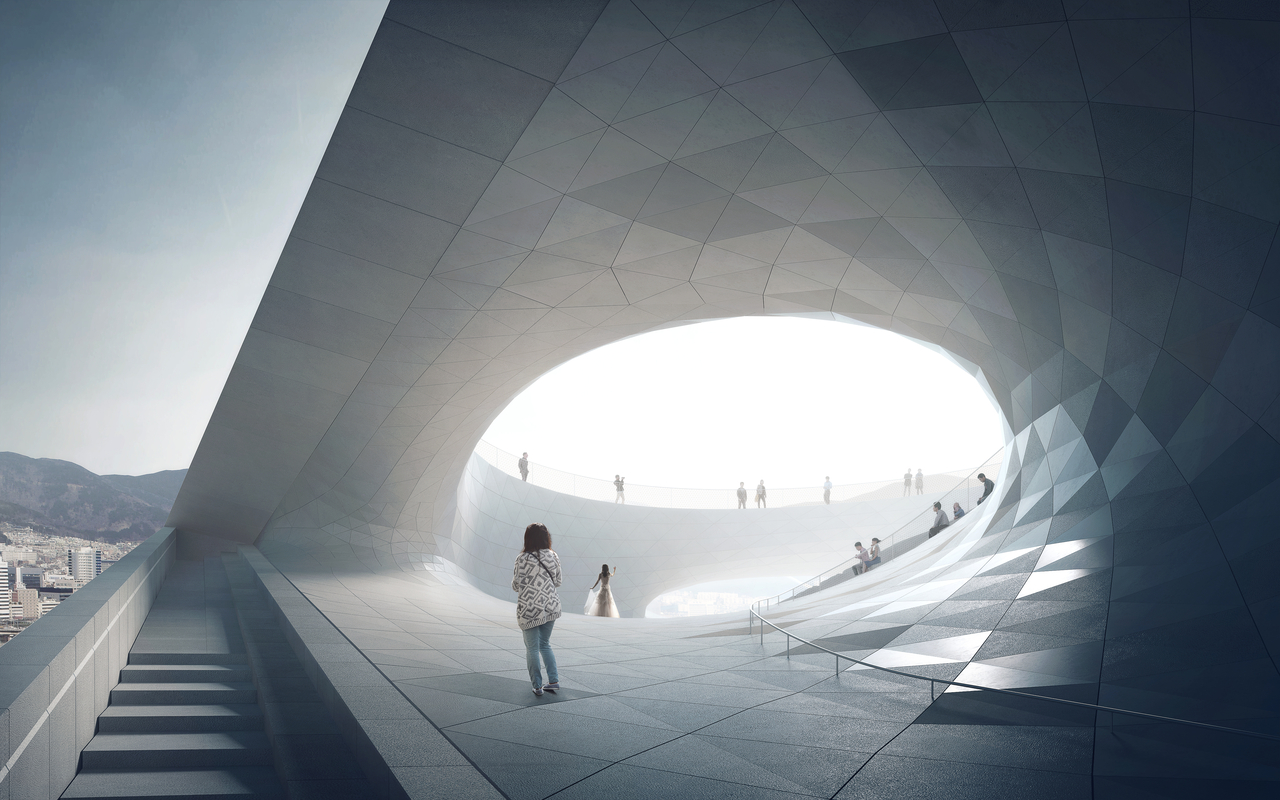
What differs is how the climb is staged. In Oslo, the marble roof slopes down to the harbor so people can simply walk up it from the waterfront. Shanghai replaces the slope with a spiral staircase that winds up through the building. In Busan, the route rises gently through an oculus before opening onto the roof.
Each building also answers a different landscape. Oslo’s roof rises from a fjord harbor, and Shanghai’s sweeping roof responds to the flow of the Huangpu River and the city around it. Busan’s North Port site sits between city, mountains and sea.
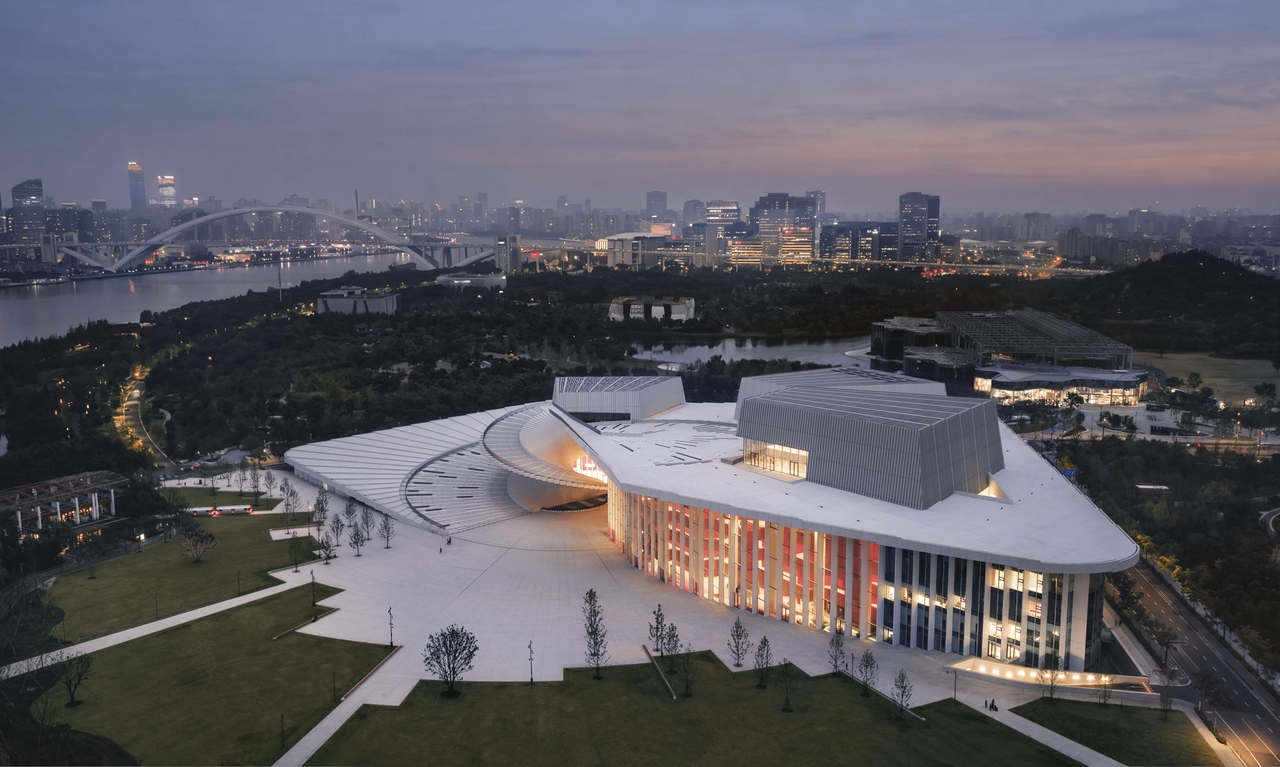
Shanghai and Busan also differ significantly from Norway, both climatically and culturally, according to him. In Shanghai, the relationship between daylight, shading, public access and operational performance required careful integration. In Busan, the waterfront location introduces its own environmental conditions, including exposure to wind, salt air and changing weather patterns. These realities shape the architecture from the beginning.
"I prefer not to describe this as a compromise. Architecture is always a process of balancing ambitions. The challenge is preserving the integrity of the larger vision while adapting to local circumstances," he said.
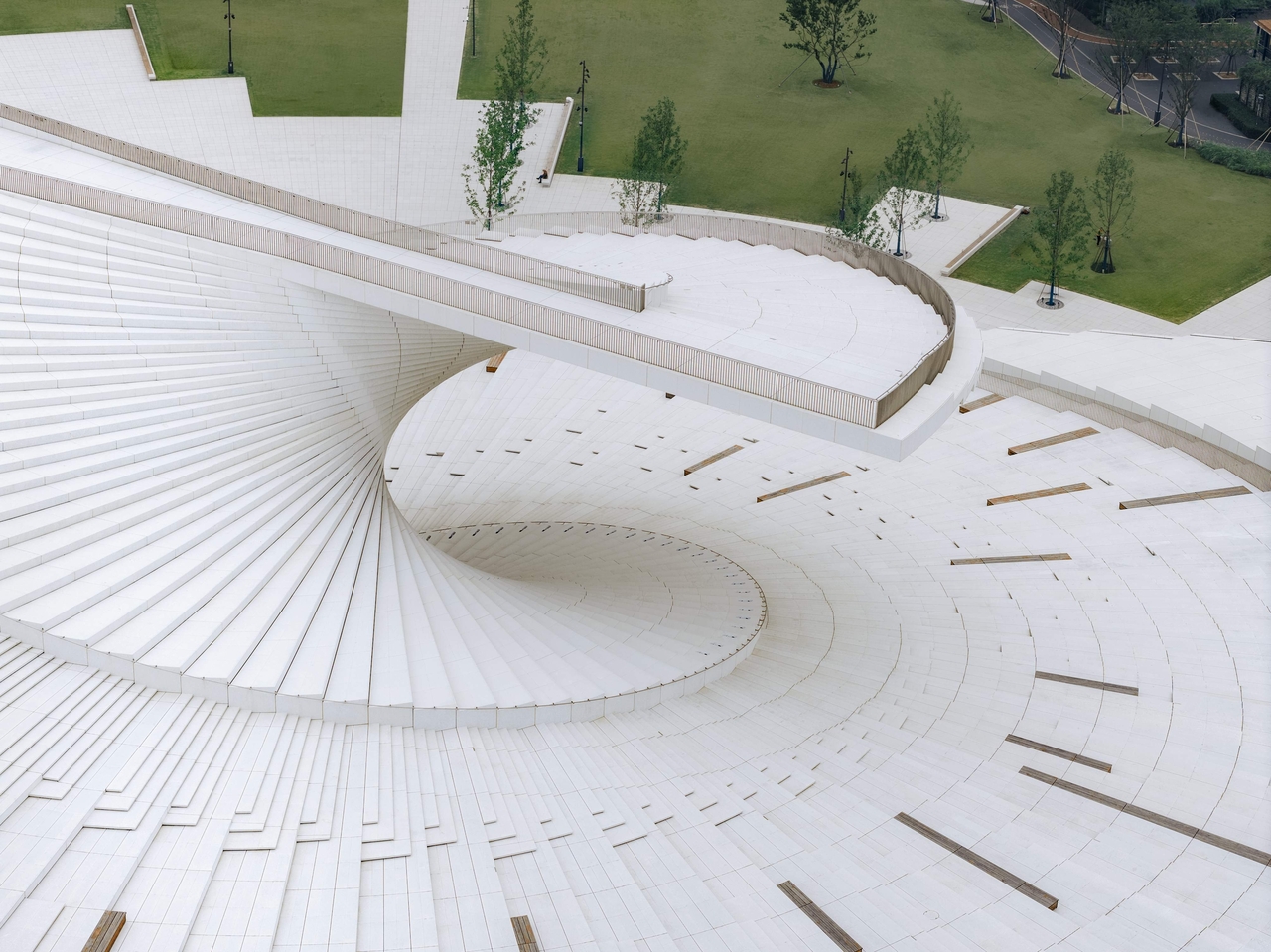
In Shanghai, the design was guided by three ideas the firm calls movement, belonging and experience. Thorsen said these were not abstract concepts but working design tools. Movement shaped how people enter and rise through the building. Belonging meant designing for residents, families and passersby as well as ticket holders. Experience informed the sequence of spaces and the shifting views toward the river.
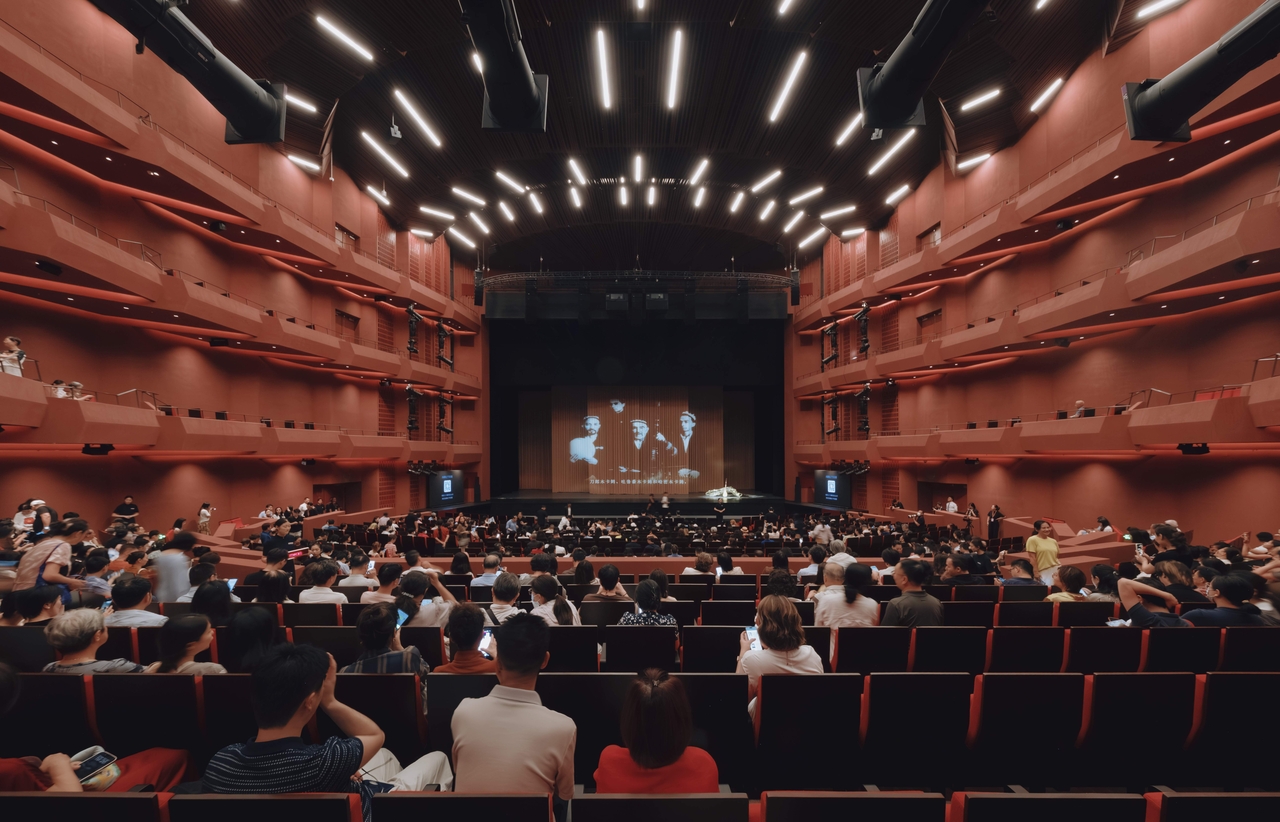
The Shanghai Grand Opera House, the 146,786-square-meter complex, has three auditoriums with a combined 4,200 seats, anchored by the 2,000-seat Harmony Hall. Snohetta won the international design competition in 2016 and was commissioned in 2019 alongside East China Architectural Design & Research Institute, Theatre Projects and Nagata Acoustics.
The spiral staircase is the clearest expression of those ideas. Asked why he wanted people to climb the building, Thorsen said ascending gradually changes how people see the city around them, and that the climb itself becomes something shared.
“Once they reach the top, I hope they do nothing in particular. Public space does not always require a program. Sometimes its greatest value lies in giving people the freedom to observe, reflect, meet others or simply enjoy being part of the city,” he said.
Busan opera house: A shell and a pearl
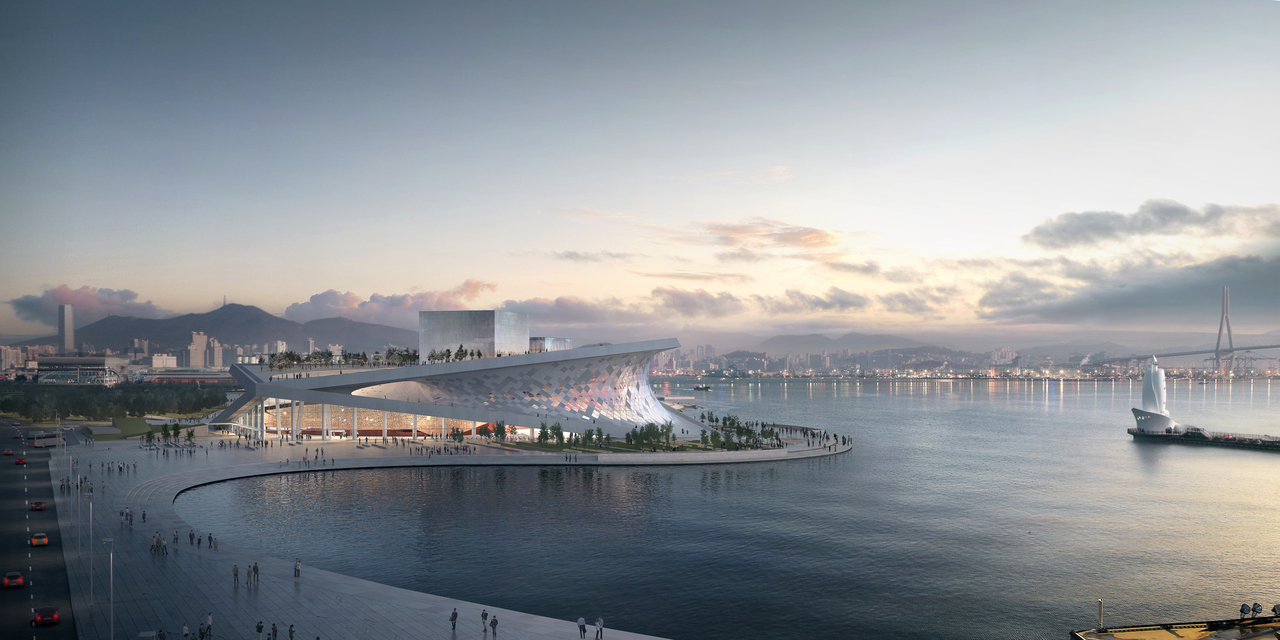
In Busan, the building’s form is defined by two continuous curves. One links the city to the sea, while the other opens upward to the sky.
The building has been described as a shell holding a pearl. Thorsen said the image came later as a way of describing the building rather than as a design brief. What interested the team from the start was the tension between protecting the performance spaces and opening the building to the harbor and the city.
“If the image of a shell holding a pearl resonates with people, I think it is because it captures something about Busan itself. The city has always been shaped by its relationship to the sea,” he said.
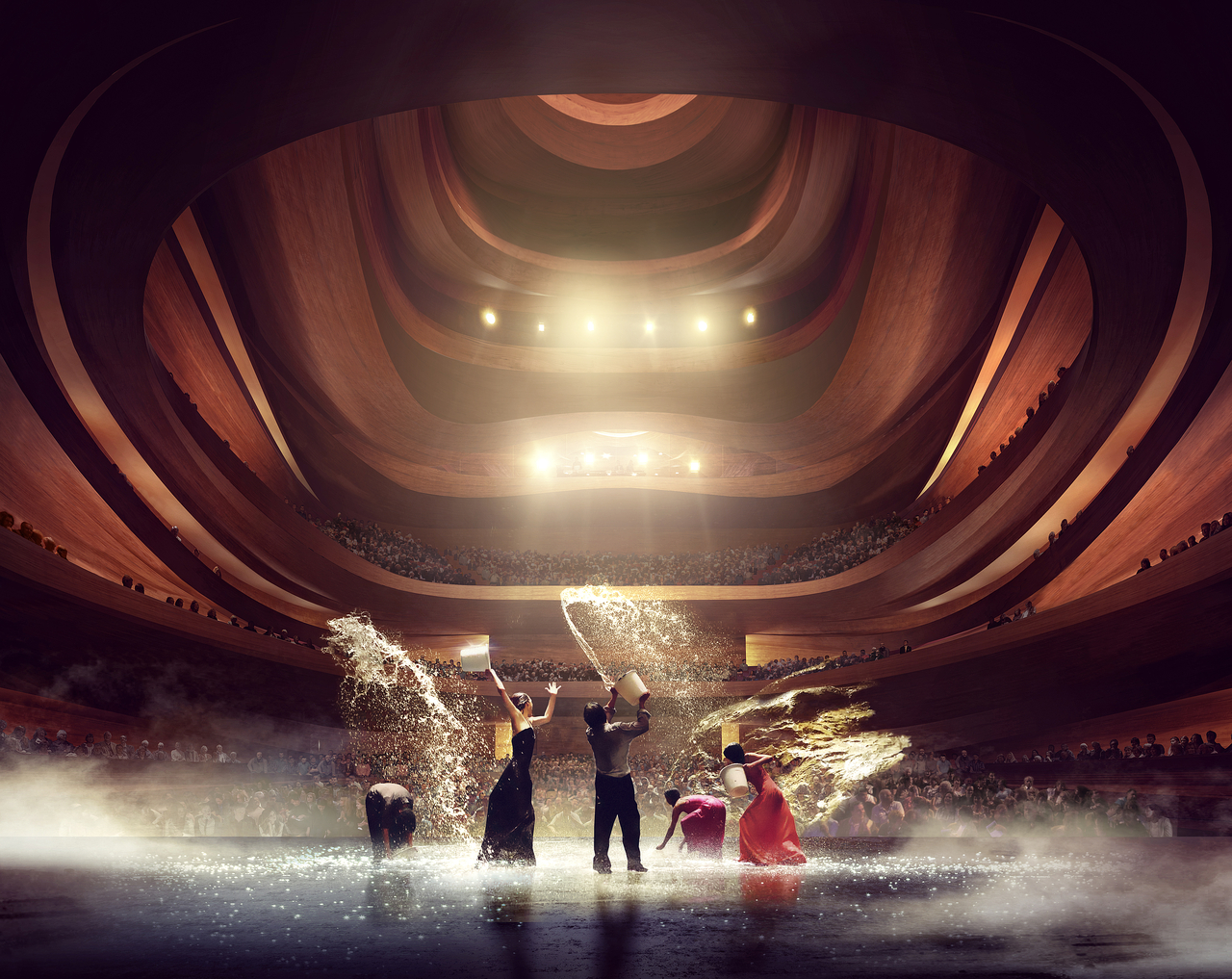
The Busan Opera House has been in development since Snohetta was commissioned in 2012 and will be the first opera house in South Korea’s second-largest city. Built on reclaimed land at a cost of approximately 311.7 billion won ($235.2 million), the 48,000-square-meter venue will feature a grand auditorium with 1,800 seats grand auditorium and a 300-seat multipurpose theater.
Major construction is scheduled for completion by the end of this year, but the venue’s official opening has been pushed back to 2028. Last week, Busan Mayor Chun Jae-soo announced that the city would conduct safety and performance checks in the first half of 2027, followed by trial performances in the second half, ahead of the formal opening. The venue had previously been slated to open in late 2027.
For Thorsen, success will be measured less by who comes for performances than by how the building fits into daily life.
“The strongest indication of success would be hearing residents refer to it not as ‘the opera house’ but simply as one of Busan’s places,” he said.
Keeping that civic vision intact through years of construction is the hardest part of the job, he said.
“The greatest challenge during any large cultural project is maintaining clarity of these ideas while coordinating an enormous number of technical requirements. Opera houses are highly complex buildings. The task is always to ensure that operational complexity does not overshadow the original civic ambition,” he said.
He also sees room for Snohetta to do more in Korea, referring to the country’s debates over waterfront regeneration, cultural infrastructure, mobility and education.
“My hope is that Snohetta’s future work in Korea, whether cultural or otherwise, will continue the conversation that Busan has begun: how architecture can strengthen the relationship between people, place and public life, while reflecting the unique identity and aspirations of Korean society,” he said.
Architecture for the future
Opera houses around the world are struggling to reach younger audiences, who have endless entertainment on their phones and few habits that bring them to a concert hall. Asked whether architecture can change that, Thorsen drew a line between what a building can and cannot do.
“Architecture alone cannot create cultural engagement. But it can create curiosity,” he said.
What remains scarce for young people, he said, is not content but meaningful shared experiences in physical space. The rooftops, promenades and waterfront links in both cities are meant to invite people in without requiring any prior interest in opera.
“I do not think we should begin by asking how to attract young people to opera. The more interesting question is how cultural institutions can become relevant to their everyday lives,” he said.
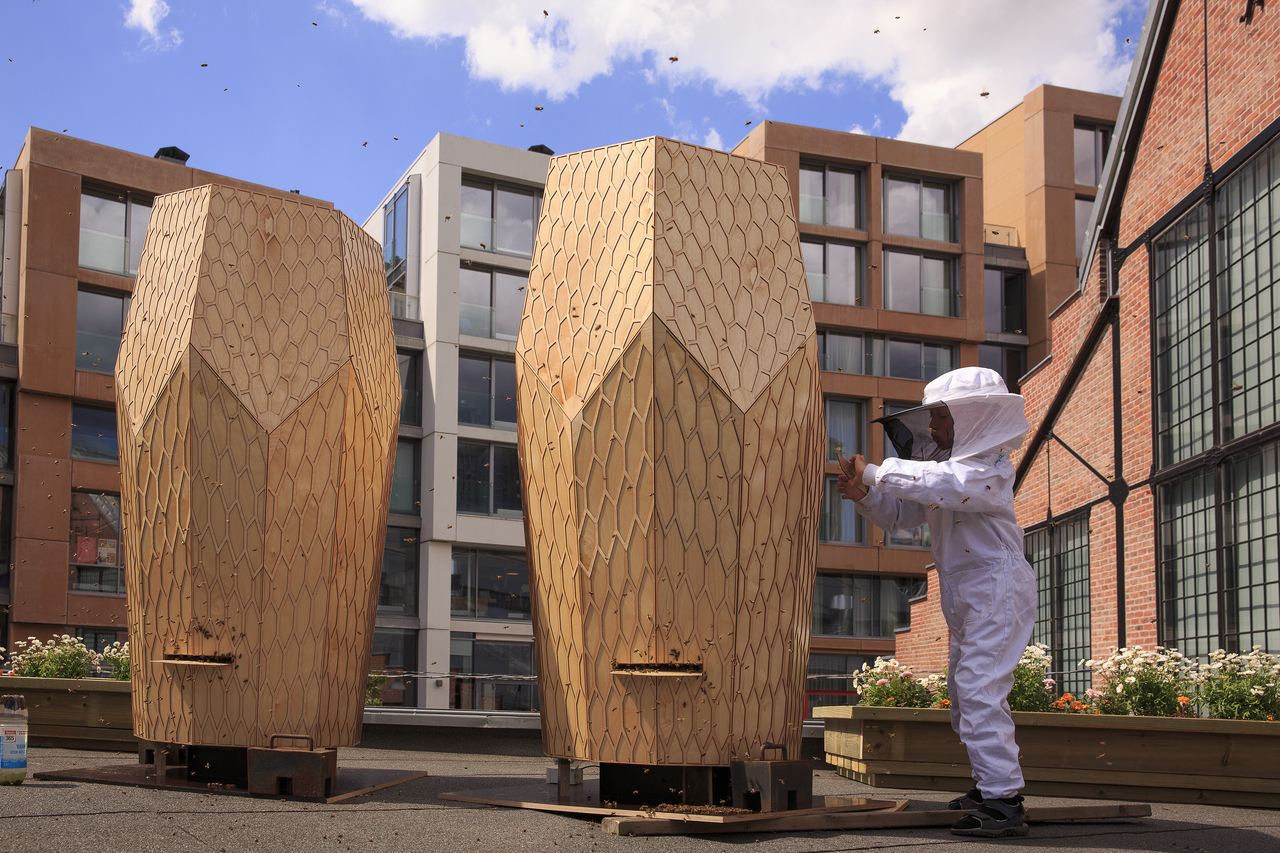
Snohetta has long placed sustainability at the heart of its work, from Powerhouse Brattorkaia, billed as the world’s northernmost energy-positive building, to Vulkan Beehive, a pair of honeycomb-patterned wooden hives installed on an Oslo rooftop to support urban bee populations. For Thorsen, however, sustainability extends beyond environmental performance to whether a building continues to be valued, used and cared for across generations.
Asked whether a building of this scale could ever be truly sustainable, Thorsen said the question was an important one that architects should take seriously.
“No large building can claim to have no environmental impact. Construction requires resources, energy and materials. We should never pretend otherwise,” he said.
The more meaningful test, he argued, is whether a building creates lasting value that justifies the resources invested in it. An opera house that remains active and accessible to the public for 50 or even 100 years can serve millions of people over its lifetime.
“The alternative is not necessarily building nothing. The alternative is often building less thoughtfully,” he said.
Having worked on three opera houses around the world, Thorsen sees the typology as part of a broader conversation about architecture’s role in society.
“The larger subject has never been opera houses themselves. It is the role that public institutions can play in a democratic society.”
He said he would be equally enthusiastic about designing a library, a public waterfront, a community center or a cultural district, provided the project expanded public participation and strengthened civic life.
“The building type is secondary. The real question is always how architecture can contribute to a more open, generous and sustainable society.”
yoohong@heraldcorp.com