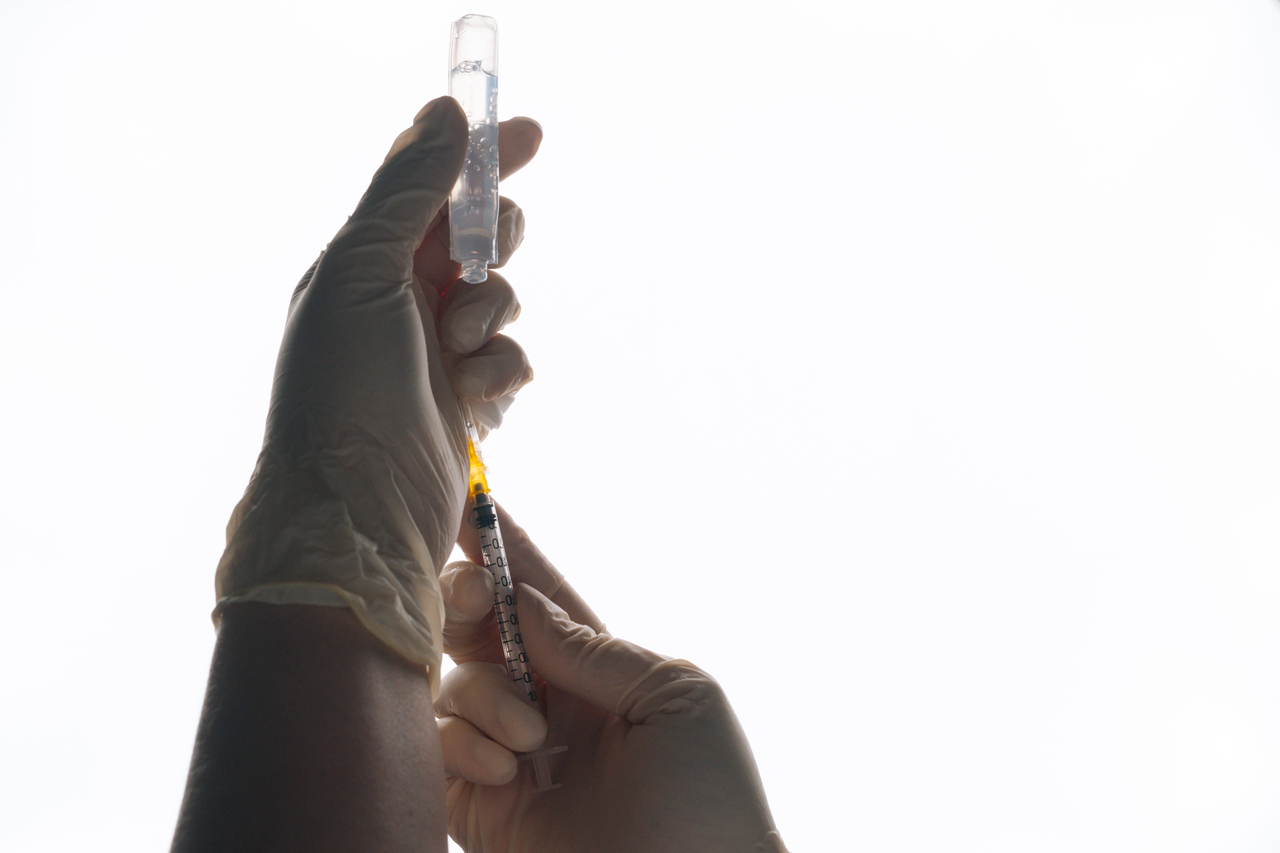
Reports of adverse events following growth hormone injections in children approached 2,000 in Korea last year as use of the drugs continued to increase, government data cited by a lawmaker showed Monday.
The number of reports rose from 1,189 in 2021 to 1,910 in 2025, according to Ministry of Food and Drug Safety data obtained by Rep. Heo Jong-sik of the Democratic Party of Korea.
The figures do not establish that growth hormone injections caused the reported conditions. An adverse event report records an unwanted medical occurrence following the use of a drug, regardless of whether a causal link has been confirmed.
The ministry said the reports included relatively mild reactions such as pain or bleeding at the injection site, as well as conditions such as pneumonia and viral infections that occurred after an injection but were not necessarily caused by the medicine.
The rise in reports comes amid growing use of growth hormone injections among children, including demand from parents hoping to increase their children’s eventual height.
Separate data released last year showed that the number of prescriptions for somatropin rose from about 895,000 in 2020 to 1.62 million in 2024, despite a decline in Korea’s child population. The total value of the prescriptions exceeded 150 billion won ($105 million).
Somatropin is a laboratory-produced version of human growth hormone administered through injections under the skin. It is prescribed for children diagnosed with growth disorders, including growth hormone deficiency. National health insurance coverage is limited to specified medical conditions and eligibility criteria.
“Relevant authorities, including the Ministry of Food and Drug Safety, should strengthen monitoring and crack down on the illegal distribution of these drugs,” Heo said.
The ministry said it would continue monitoring the drugs and strengthen safety measures if necessary.
Pediatric specialists have also warned against administering growth hormone shots to children without an established medical need, saying parental anxiety over height can lead families to pursue treatment despite insufficient evidence that it would provide a meaningful benefit.
A survey released by the Korean Society of Pediatric Endocrinology last October found that 46.7 percent of 362 parents who had worried about their children’s growth had visited a hospital or specialized growth clinic.
Among those who had visited such facilities, 28 percent said they had used either growth hormone injections or growth-related supplements in an effort to make their children taller.
In the survey, 54.8 percent rated the effectiveness of such interventions as “average,” while 20.9 percent considered them ineffective. The responses reflected parents’ perceptions rather than a clinical assessment of the treatments.
The pediatric society said there is no medical evidence that growth hormone injections will make children who are growing normally taller. It also warned that the treatment can cause adverse effects and should be administered only after an appropriate medical evaluation.
forestjs@heraldcorp.com