Cheong Wa Dae said the two embattled Cabinet nominees should undergo confirmation hearings at the National Assembly as scheduled, despite mounting criticism of their suitability.
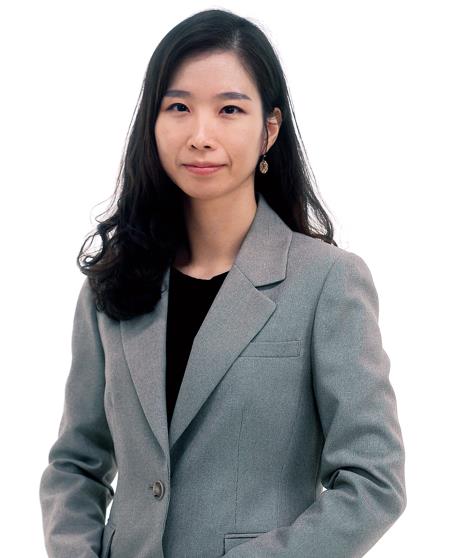
The nominees are Rep. Kim Seung-won, a two-term lawmaker of the ruling Democratic Party of Korea and former judge tapped for justice minister, and Rep. Yong Hye-in, a two-term lawmaker of the minor progressive Basic Income Party nominated for gender equality and family minister.
The presidential office’s position came as opposition parties stepped up attacks over a series of allegations surrounding the two nominees.
“I understand that the confirmation hearing system itself is a process through which the public scrutinizes a nominee,” a Cheong Wa Dae official in Paris for President Lee Jae Myung's state visit to France told reporters on condition of anonymity Monday.
“Since the nominees were selected through the personnel system under the responsibility of the chair of the Personnel Committee, they should go through confirmation hearings,” the official said. Presidential chief of staff Kang Hoon-sik chairs the Personnel Committee within the Office of the President.
The official also pledged to strengthen the presidential office’s personnel vetting system amid questions over how the nominees were screened before their selection.
“It is difficult for Cheong Wa Dae to discuss the specific details of the personnel vetting process, but we will establish and further strengthen the vetting system so that it meets the standards expected by the public,” the official said.
Cheong Wa Dae on Tuesday separately denied a Chosun Ilbo report that the Democratic Party leadership had conveyed to the presidential office its view that Yong was unqualified for the post and that either her voluntary resignation or Lee’s rescission of her nomination was necessary.
“The report that the Democratic Party leadership conveyed to Cheong Wa Dae its view that nominee Yong Hye-in is unfit for the post is completely untrue,” another Cheong Wa Dae official said on condition of anonymity.
“Cheong Wa Dae has received no request from the party leadership for her nomination to be withdrawn or for her to step down.”
Lee’s office announced a major Cabinet reshuffle on Aug. 30 as he entered his second year in office. Six ministers were replaced in an apparent attempt to reverse the downward trajectory of his approval ratings and inject new momentum into his administration through the personnel shake-up.
However, Lee’s approval rating continued to decline, falling to 37.4 percent, marking the lowest since his inauguration in June 2025, according to a Realmeter poll released Monday and conducted the previous week.
The pollster cited controversy surrounding two of the ministerial nominees as a major factor behind the drop in Lee’s approval rating.
Yong has faced mounting criticism over her plan to retain her proportional-representation seat in the National Assembly even if she is appointed as the minister.
While the law permits lawmakers to concurrently serve as Cabinet ministers, proportional-representation lawmakers appointed to the Cabinet have customarily relinquished their seats to allow the next candidate on the party list to take over and avoid a legislative vacancy.
Yong has argued that stepping down would leave the Basic Income Party, which she represents as its sole lawmaker, without representation in the National Assembly.
Scrutiny has also extended to the operation of her party and the role of Yong’s husband, Park Ki-hong, who has held a series of senior party posts and has received roughly 3 million won ($2,240) a month as a party official.
Kim, meanwhile, has come under renewed scrutiny over bribery allegations involving Genencell, a biotech company that sought approval for clinical trials of a COVID-19 treatment in 2021.
According to investigative records, an acquaintance of Kim surnamed Yang asked him to help expedite the review of Genencell’s clinical trial plan, and Kim relayed the request to then Food and Drug Safety Minister Kim Gang-lip in October 2021. The regulator approved the company’s clinical trial plan two weeks later.
Kim has maintained that he was merely conveying a public-interest grievance, denying making any improper request or pressuring regulators.
Prosecutors investigated Kim over the case but decided not to indict him in December 2024, issuing a deferred prosecution. However, the controversy has resurfaced since he was nominated to be justice minister, with police announcing Tuesday that the allegations had been assigned for investigation.
dagyumji@heraldcorp.com