South Korea’s failure to fill key diplomatic posts in the Middle East is raising concerns over whether Seoul has sufficient on-site capacity to respond to a deepening regional crisis, especially after a South Korean vessel reportedly sustained damage near the Strait of Hormuz.
As of Wednesday, three of South Korea’s 17 embassies and two consulates general in the Middle East were being run by acting chiefs. The vacant posts are the ambassadorial positions in the United Arab Emirates and Egypt, as well as the consul general post in Dubai.
The absence is drawing particular concern in the UAE, a key partner for South Korea in energy, defense and nuclear cooperation. The UAE also borders the Strait of Hormuz, a critical waterway through which about 70 percent of South Korea’s crude oil imports from the Middle East and roughly 30 percent of its liquefied natural gas imports pass.
The UAE ambassadorial post has been vacant for about 10 months since former Ambassador Ryu Je-seung left the post in July last year. Minister counselor Park Jong-kyung is currently serving as charge d’affaires.
The Dubai post is also being run by an acting chief, leaving both of Seoul’s diplomatic missions in the UAE without formally appointed heads at a time when Korean travelers, residents and companies in the region face heightened security risks.
Seoul has sought to fill the gap by dispatching special envoys.
Following the dispatch of Chung Byung-ha, a special envoy of the foreign minister, to Iran on April 10, Seoul appointed Moon Byung-joon, former acting ambassador to Saudi Arabia, as another special envoy on May 1. Moon is visiting Kuwait, Bahrain and Iraq through May 9 to assess the situation and hold high-level meetings.
But diplomatic observers say temporary envoys cannot fully replace a permanent diplomatic network, particularly in the Middle East, where personal ties and direct access to senior officials are often crucial in emergencies.
“Almost a year after the launch of the Lee Jae Myung administration, it is unusual for some key diplomatic chief posts in the Middle East to remain vacant,” a former senior diplomat said on condition of anonymity.
“In emergency situations, a mission chief is needed to directly contact senior officials in the host country and quickly request cooperation, such as flight or departure approvals. Without that, there is no such line,” the diplomat said.
The former official added that mission chiefs also serve as a key channel for delivering field-level needs to headquarters and requesting responses from director general, deputy ministerial and vice ministerial-level officials.
“That system is likely not functioning properly at the moment,” the diplomat said.
According to reports, most South Korean missions in the Middle East are staffed by only four or five officials, raising further concerns that acting chiefs, often lower in rank and less experienced in crisis response, may face limitations in handling fast-moving emergencies.
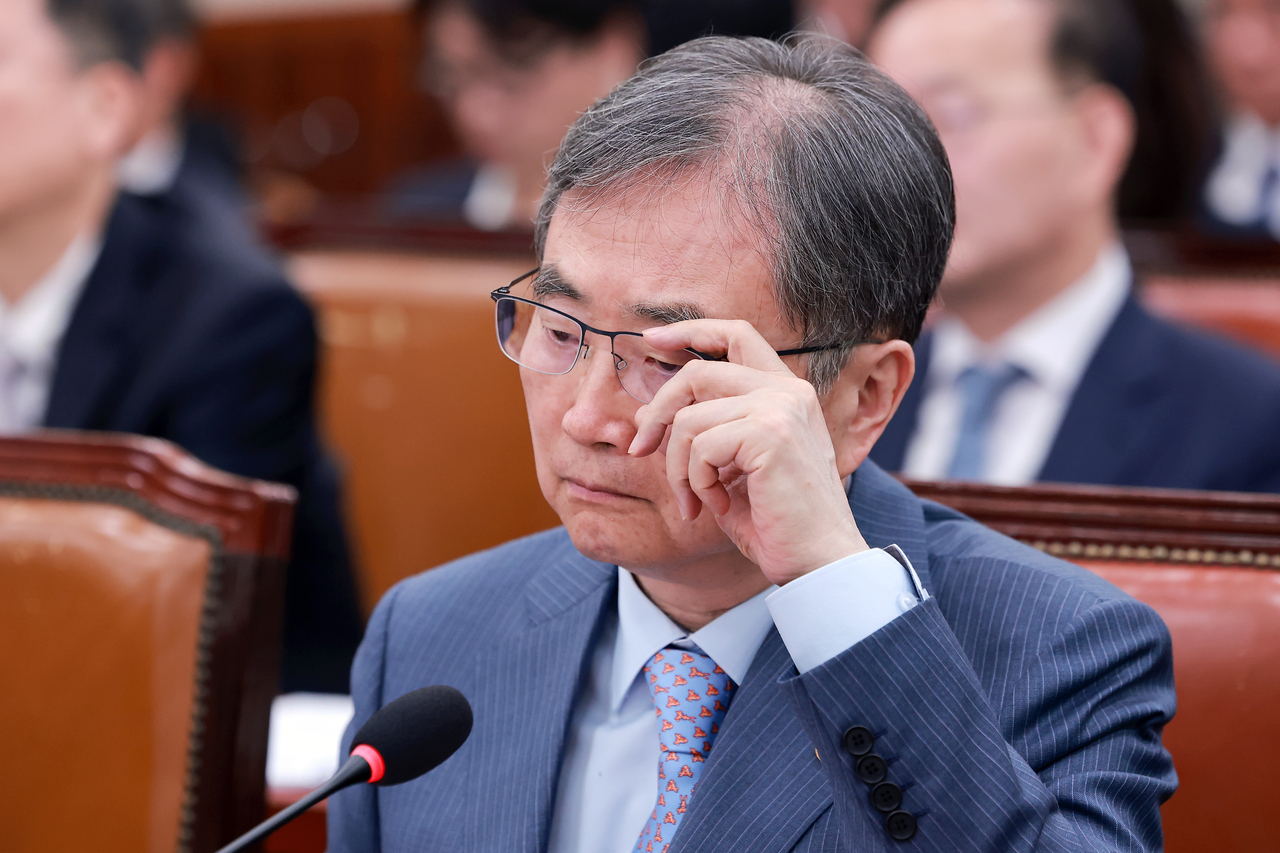
Foreign Minister Cho Hyun told a National Assembly Foreign Affairs and Unification Committee meeting on March 6 that appointments for vacant Middle East posts were being prepared.
“It is not yet at the stage to announce them, but the appointments are being prepared,” Cho said. “They will soon be appointed and dispatched.”
flylikekite@heraldcorp.com