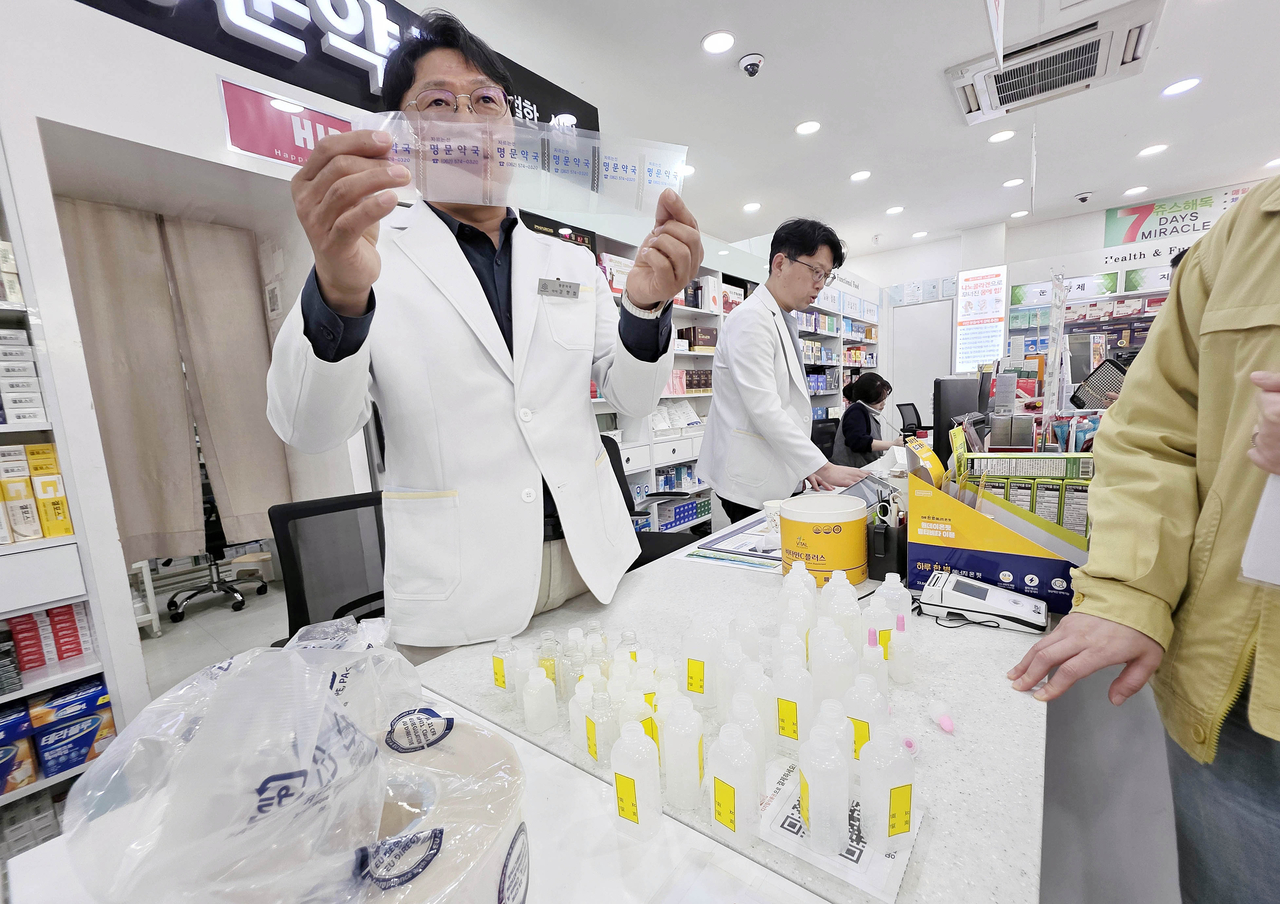
The South Korean government plans to step in to stabilize the supply of certain drugs at risk of going out of circulation, even if they are not officially classified as essential medicines.
The Ministry of Food and Drug Safety is seeking to establish a legal basis for government intervention in the distribution of nonessential medications. It recently issued a legislative notice on proposed revisions to the Pharmaceutical Affairs Act and is collecting public feedback through June 10.
“National essential drugs” refer to medicines designated by the government as critical for public health, including disease control and emergency preparedness, where stable supply may be difficult to maintain through market forces alone.
As of 2026, a total of 488 substances have been designated, with the latest additions in November including fertility treatments such as lutropin.
Under the proposed revision, the government would be able to review measures to stabilize the supply of nonessential drugs under certain conditions. These include cases where pharmaceutical companies or importers report potential discontinuation, or where medical professionals request supply support.
The food and drug safety minister would also be able to intervene if deemed necessary for public health.
The measure is intended to give the government greater flexibility in responding to drug shortages caused by supply chain disruptions or outbreaks of infectious diseases that could deplete inventories.
Other proposed revisions include easing labeling requirements by no longer mandating detailed information — such as quantities and specific effects — on packaging, instead requiring only essential details such as ingredient names.
minsikyoon@heraldcorp.com