South Korea is launching its first strategic oil swap program, lending government crude reserves to refiners in exchange for future deliveries of alternative supplies, as tensions in the Middle East threaten key shipping routes.
The scheme, announced Tuesday by the Ministry of Trade, Industry and Resources, aims to bridge short-term supply gaps while accelerating efforts to diversify crude imports away from the Middle East.
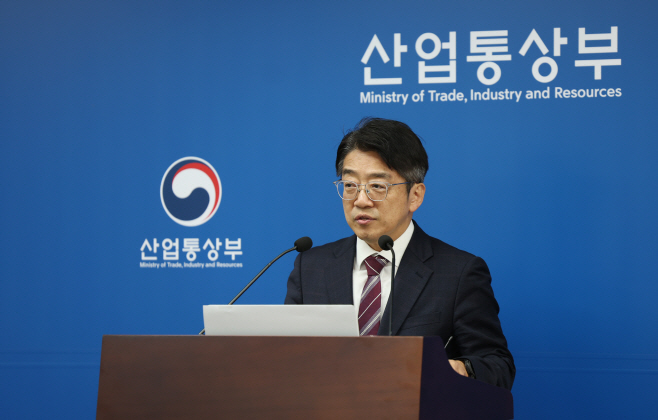
“This is a flexible use of stockpiles to manage timing gaps as refiners secure alternative supplies,” said Yang Ki-wook, deputy minister for resource security. “We supply crude only when incoming shipments are confirmed and receive it back later.”
Under the program, the government will provide Middle Eastern crude from its reserves to refiners that have secured cargoes from other regions but face shipment delays. The borrowed volumes must be returned once those cargoes arrive.
The mechanism is also designed to address operational constraints. Korean refineries are largely optimized for Middle Eastern grades, making it difficult to immediately switch to crude from other regions. By borrowing government-held crude and repaying it with barrels sourced from elsewhere, refiners can maintain stable operations while diversifying supply.
All four domestic refiners are expected to participate, with combined demand estimated at around 20 million barrels. The program will initially run through April and May, with a possible extension depending on market conditions.
“The goal is not to conserve reserves but to encourage refiners to actively secure alternative supplies,” Yang said. “By exchanging what companies procure, we strengthen overall supply chain resilience.”
Refiners are already sourcing replacement crude from a broader range of regions, including Africa, Central Asia, the Americas and Oceania.
Pricing under the scheme will reflect a lending fee and the difference between the government’s average spot price for stockpiled crude and the actual cost of replacement cargoes.
Proceeds from the program will be reinvested into overseas upstream projects led by the state-run Korea National Oil Corp., as well as storage expansion and joint stockpiling initiatives.
Separately, officials warned that supply risks remain in petrochemical feedstocks, particularly naphtha, which still relies on imports for about 45 percent of domestic demand. The ministry said it is reviewing additional measures, including export controls and anti-hoarding steps, to stabilize supply.
Despite ongoing Middle East tensions, authorities said supplies of key industrial materials such as helium and hydrogen bromide for semiconductors were expected to remain sufficient through the first half of the year.
However, prolonged disruptions could tighten markets and push up costs, underscoring the need for continued supply chain diversification.
herim@heraldcorp.com